
 EN
EN
 ar
ar bg
bg hr
hr cs
cs da
da nl
nl fi
fi fr
fr de
de el
el hi
hi it
it ko
ko no
no pl
pl pt
pt ro
ro ru
ru es
es sv
sv tl
tl iw
iw id
id lv
lv lt
lt sr
sr sk
sk sl
sl uk
uk vi
vi et
et hu
hu th
th tr
tr fa
fa ms
ms hy
hy ka
ka ur
ur bn
bn mn
mn ta
ta kk
kk uz
uz ku
ku
Instrumentation Cables
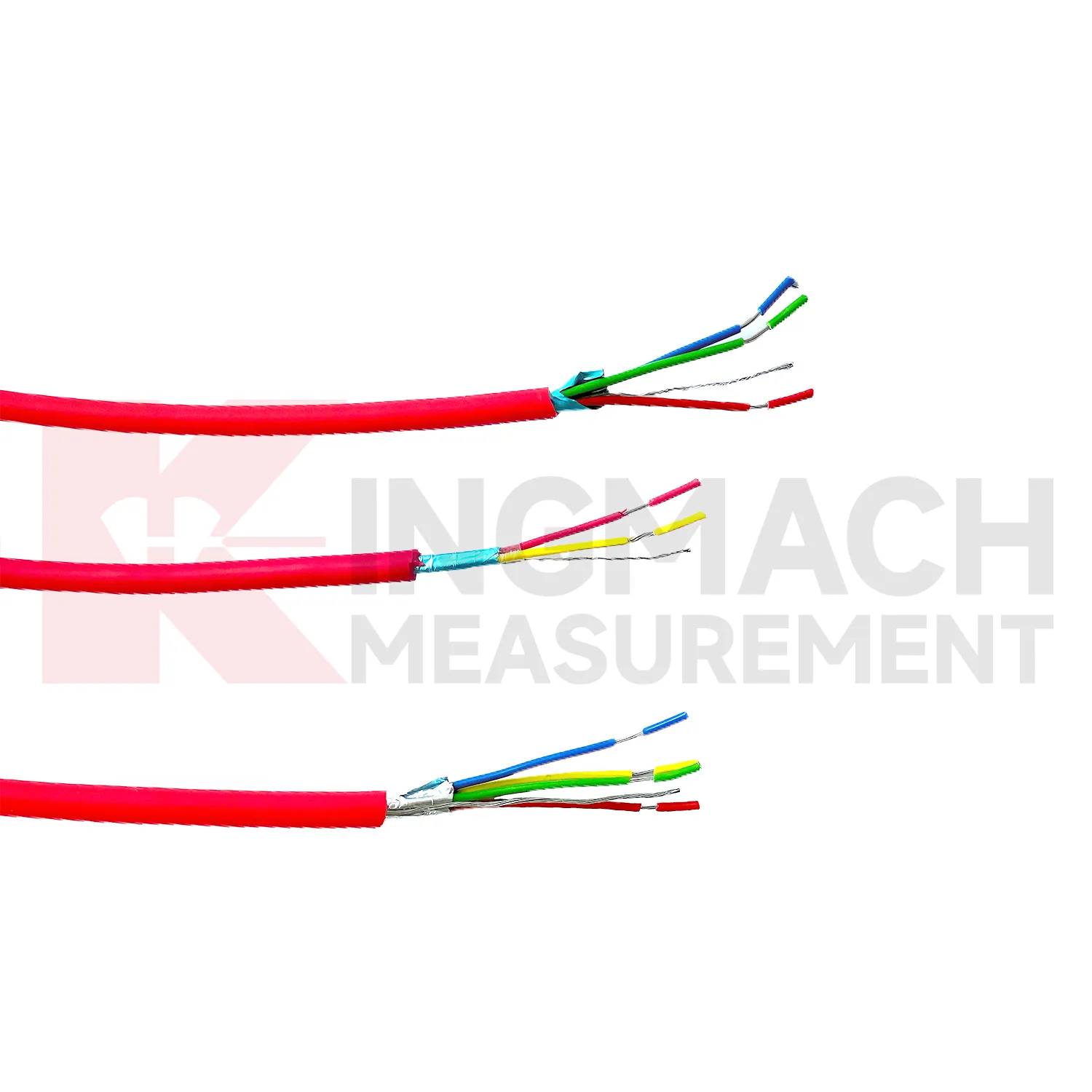
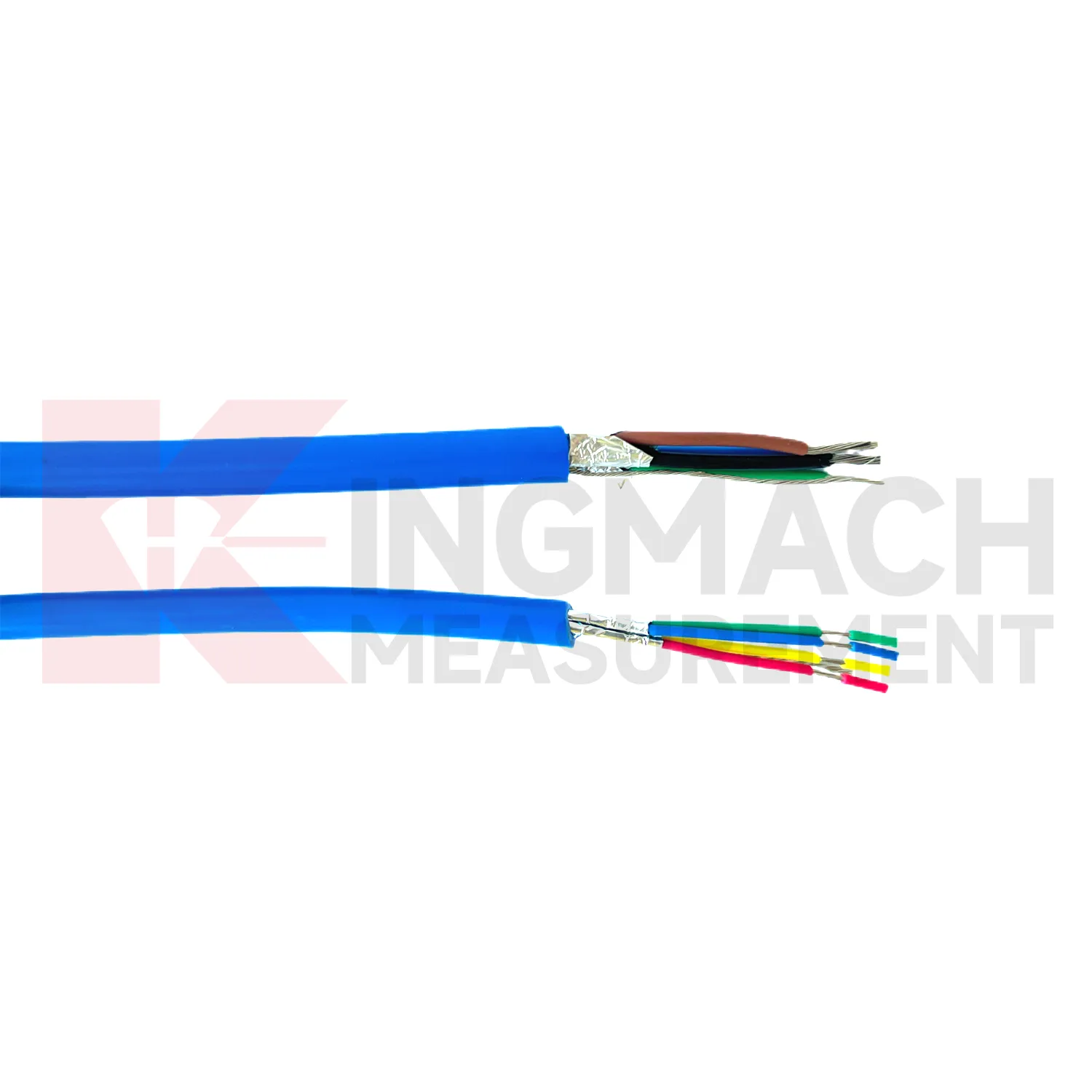
Model selection inside the Kingmach cable range starts with field exposure. If the project involves fine sensor signals around power equipment, temporary machines, or cabinet wiring, JMZX-XPX gives the route a shielded structure for cleaner transmission. If the path enters wet galleries, water-level areas, conduits with pulling stress, or other hydraulic sections, JMZX-XSX brings sealing, water resistance, and tensile strength into the design. This split helps engineers assign each cable by risk condition instead of using one generic wire across every part of the site.
Application of Instrumentation Cables
Laboratory and field testing work uses Kingmach Instrumentation Cables when clean signal transmission is required during temporary or repeat measurements. JMZX-XPX is suited to precise sensor signal transmission because its composite shielding resists electromagnetic and radio-frequency interference. In testing setups, cable movement, nearby equipment, and temporary power can all affect readings if wiring is weak. A shielded test cable with stable insulation helps the team focus on the instrument output and test condition rather than chasing avoidable noise in the connection path.
The future of Instrumentation Cables
Future use of Kingmach Instrumentation Cables will be tied more closely to digital monitoring networks. As owners connect bridges, tunnels, dams, slopes, and buildings to online platforms, cable quality will remain a quiet but critical part of data trust. Wireless links may handle part of the communication path, but many field sensors still need stable power and signal routes at the measurement point. Shielded, sealed, and well-documented cables will help automated systems separate true structural events from connection noise, moisture faults, or channel interruptions.
Care & Maintenance of Instrumentation Cables
When replacing Kingmach Instrumentation Cables, preserve the traceability of the old and new route. Record cable model, core count, reason for replacement, removed section condition, new termination details, and first stable data after replacement. Do not hide the replacement by forcing the data record to look continuous without notes. Future reviewers need to know whether a change in reading came from the structure, the sensor, the cable, or the maintenance action. Clear replacement records protect both engineering interpretation and owner confidence.
Kingmach Instrumentation Cables
Kingmach Instrumentation Cables should be treated as engineered components of the monitoring system. They connect physical instruments to data review, alarms, reports, and maintenance decisions. JMZX-XPX, with layered shielding for test use, supports accurate signal transmission in noisy or precise sensor applications. JMZX-XSX, with added waterproof and tensile properties, supports hydraulic engineering and humid field sections. Both product lines are available in two-core, three-core, four-core, six-core, seven-core, nine-core, and ten-core forms, with common delivery lengths of 2 m or 6 m depending on core count. Used with proper routing and documentation, they help keep structural monitoring data steady over long service periods.
FAQ
Q: What should be confirmed before placing an order?
A: Confirm project quantity, required core format, expected delivery length, packaging demand, payment terms, and receiving schedule.
Q: What minimum order quantity is shown?
A: The local product pages list a minimum order quantity of one piece.
Q: How is pricing handled?
A: Pricing is listed as negotiable, so the buyer should confirm quantity, model, packaging, and project delivery details with Kingmach.
Q: What delivery term appears in the local files?
A: Shipment is listed within 30 days after full payment receipt, subject to the order and project arrangement.
Q: What certifications are shown?
A: The product information lists ISO9001, ISO14001, and ISO45001 certification for Kingmach.
Reviews
Robert Taylor
The weir flow meter is well-built and delivers accurate measurements. Great value for water management applications.
Daniel Brown
Excellent environmental monitoring sensors. The data is consistent, and the system integrates smoothly with our existing setup.
Latest Inquiries
To protect the privacy of our buyers, only public service email domains like Gmail, Yahoo, and MSN will be displayed. Additionally, only a limited portion of the inquiry content will be shown.
Harper***@gmail.comIndia
Dear Sir, we are planning to procure a complete monitoring system including strain gauges, tiltmeter...
Olivia***@gmail.comUnited States
Hello, we are currently sourcing high-precision strain gauges and load cells for a bridge monitoring...