
 EN
EN
 ar
ar bg
bg hr
hr cs
cs da
da nl
nl fi
fi fr
fr de
de el
el hi
hi it
it ko
ko no
no pl
pl pt
pt ro
ro ru
ru es
es sv
sv tl
tl iw
iw id
id lv
lv lt
lt sr
sr sk
sk sl
sl uk
uk vi
vi et
et hu
hu th
th tr
tr fa
fa ms
ms hy
hy ka
ka ur
ur bn
bn mn
mn ta
ta kk
kk uz
uz ku
ku
Sensor Shielded Test Cable
For delivery and after-sales planning, Kingmach Sensor Shielded Test Cable follow the product-page support framework used across the site. Standard in-stock models may ship quickly when available, while customized products follow the contract schedule. Packaging is described as anti-static and shockproof for precision monitoring products, and warranty service applies to non-human-caused damage during the warranty period. Technical response support is also listed in the local product files. These service details are useful when cables are ordered for time-sensitive monitoring work, system repair, or staged installation.
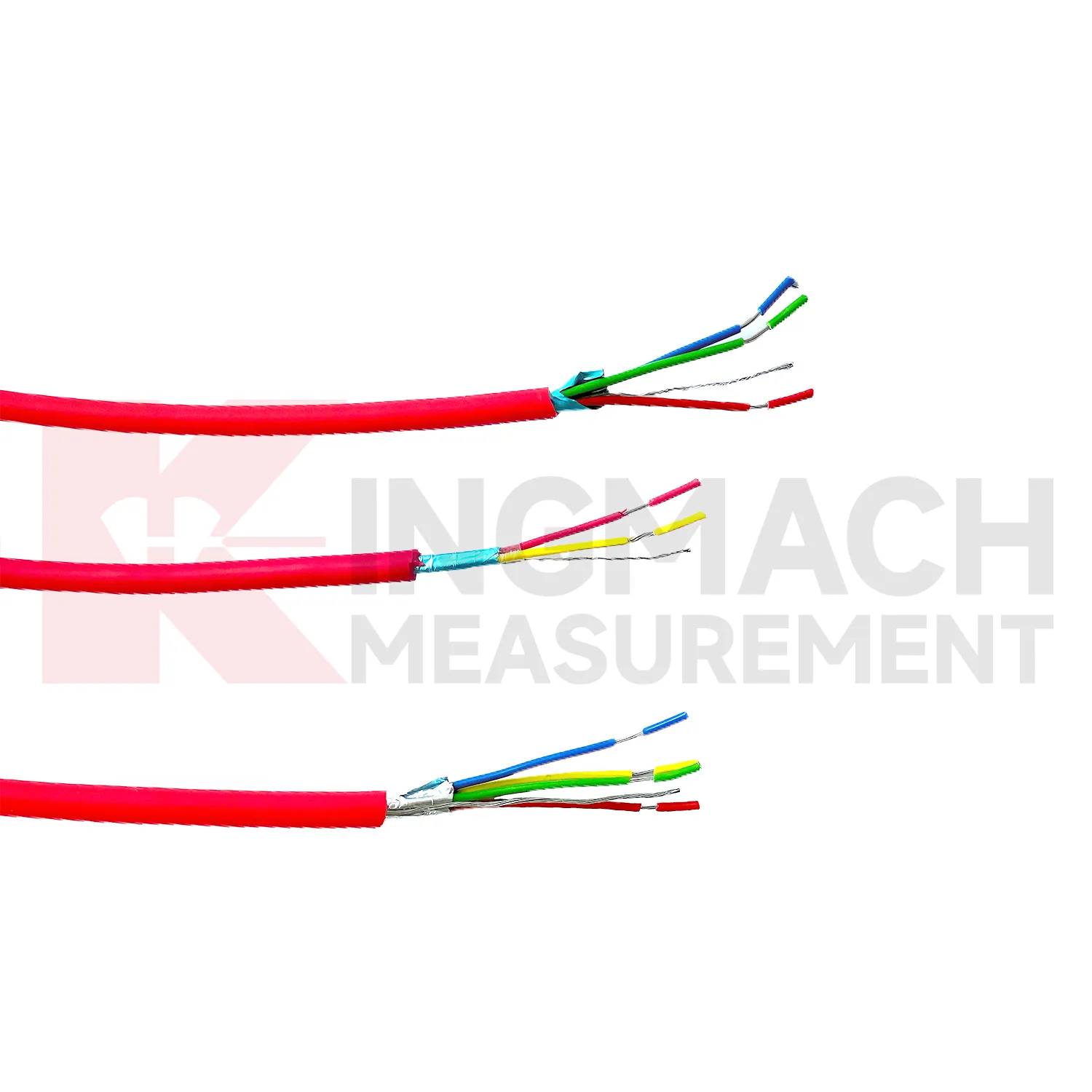
Application of Sensor Shielded Test Cable
Monitoring system upgrades use Kingmach Sensor Shielded Test Cable when old routes must be replaced, extended, or reorganized without losing traceability. A site may add new sensors, move cabinets, change data loggers, or repair damaged lines after years of service. Multi-core shielded and hydraulic cable options allow engineers to plan new routes around channel count, wet exposure, interference, and maintenance access. During upgrade work, recording old and new cable IDs, core assignments, and first stable readings prevents future reviewers from confusing a wiring change with a structural trend.
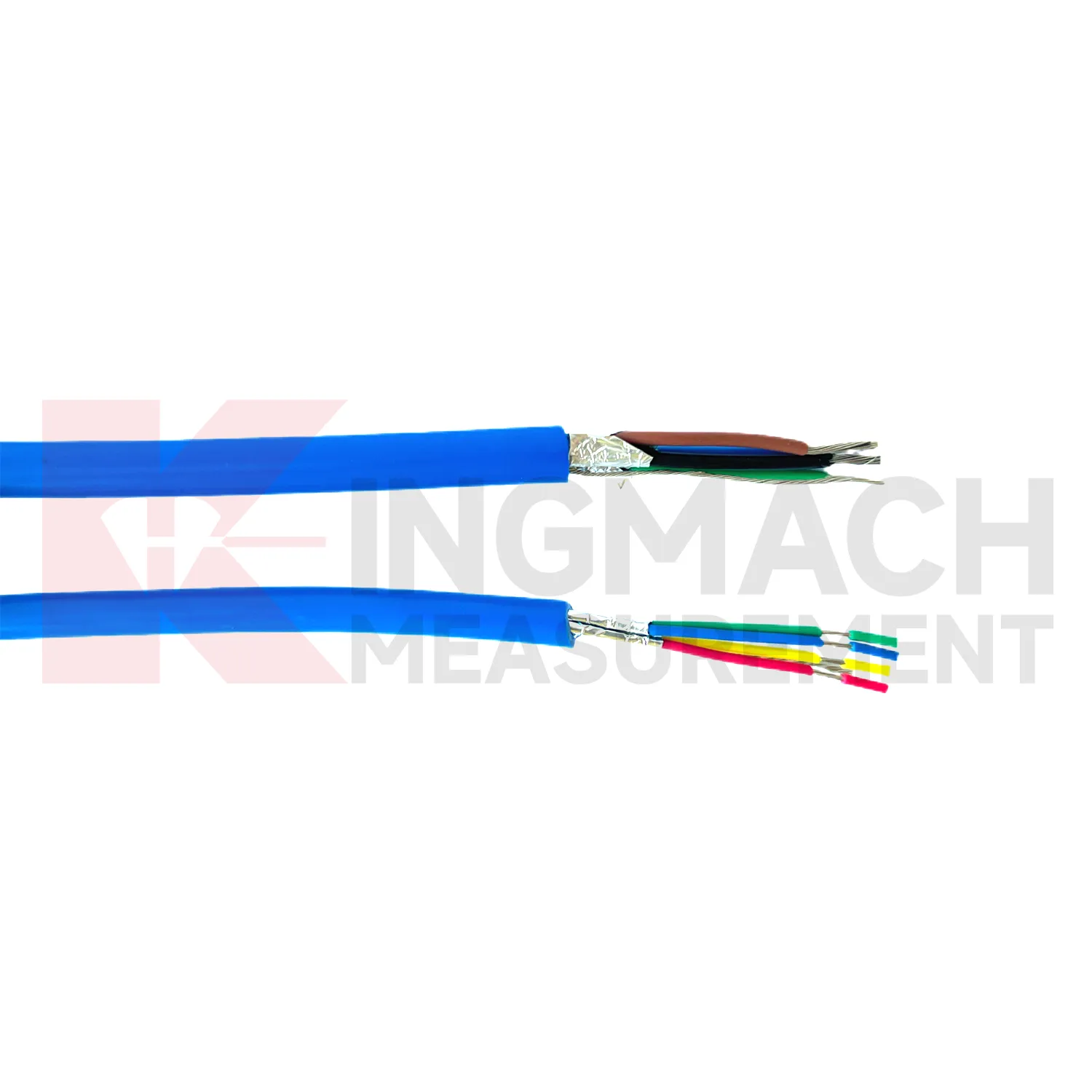
The future of Sensor Shielded Test Cable
Standardized project records will shape the future use of Kingmach Sensor Shielded Test Cable. Owners and engineering firms will expect handover files to include cable type, core count, route drawing, cabinet entry, connector status, and commissioning data. This level of detail makes later audits easier and supports cross-site comparison. When every monitoring point has a traceable cable history, the team can respond faster to alarms, replacement work, and system expansion without losing confidence in old data.
Care & Maintenance of Sensor Shielded Test Cable
Protect Kingmach Sensor Shielded Test Cable from moisture at cable ends and cabinet entries. Even a cable with strong water-resistant behavior can fail if the termination is left open, poorly sealed, or exposed during maintenance. In hydraulic work, check glands, junction boxes, conduits, and any low points where water may collect. After heavy rain, flooding, cleaning, or wet construction work, inspect affected cable routes before relying on abnormal readings. Dry and sealed terminations help preserve signal quality over long monitoring periods.
Kingmach Sensor Shielded Test Cable
Kingmach Sensor Shielded Test Cable give engineers a practical way to standardize sensor wiring across mixed instrument projects. A single structure may use vibrating wire strain gauges, load cells, displacement meters, tiltmeters, piezometers, settlement sensors, temperature sensors, and readout or data logger equipment. Without consistent cable selection and labeling, the cabinet becomes difficult to inspect after a few months of field changes. Layered shielding, multi-core options, and marked Kingmach delivery help the team maintain traceability from sensor to recorder. When later readings are reviewed, that traceability supports faster checks of channel identity, cable condition, and connection history.
FAQ
Q: What are Kingmach Sensor Shielded Test Cable used for?
A: They connect monitoring sensors, acquisition equipment, cabinets, and data recorders while helping protect signal transmission in demanding field environments.
Q: Which cable models are listed in this category?
A: The local product pages list test dedicated shielded wire JMZX-XPX and hydraulic cable JMZX-XSX.
Q: What is JMZX-XPX designed for?
A: It is a shielded test wire with composite shielding for low-loss sensor signal transmission and resistance to EMI and RFI.
Q: What is JMZX-XSX designed for?
A: It is a hydraulic engineering cable with multi-layer sealing and water-resistant insulation for humid, underwater, or wet routes.
Q: Where are these cables commonly applied?
A: They are used in bridges, tunnels, slopes, buildings, dams, foundation pits, railways, hydraulic works, and mixed monitoring systems.
Reviews
Daniel Brown
Excellent environmental monitoring sensors. The data is consistent, and the system integrates smoothly with our existing setup.
Joshua Clark
We ordered a full monitoring solution including sensors and data loggers. Everything works seamlessly together. Great supplier!
Latest Inquiries
To protect the privacy of our buyers, only public service email domains like Gmail, Yahoo, and MSN will be displayed. Additionally, only a limited portion of the inquiry content will be shown.
Charlotte***@gmail.comUnited Arab Emirates
Hi, we require instrumentation cables suitable for harsh environments. Could you advise on specifica...
Mia***@gmail.comNetherlands
Dear team, we are interested in your readouts & data loggers compatible with multiple sensors. Do yo...