
 EN
EN
 ar
ar bg
bg hr
hr cs
cs da
da nl
nl fi
fi fr
fr de
de el
el hi
hi it
it ko
ko no
no pl
pl pt
pt ro
ro ru
ru es
es sv
sv tl
tl iw
iw id
id lv
lv lt
lt sr
sr sk
sk sl
sl uk
uk vi
vi et
et hu
hu th
th tr
tr fa
fa ms
ms hy
hy ka
ka ur
ur bn
bn mn
mn ta
ta kk
kk uz
uz ku
ku
Triplelayer Shielded Test Cable
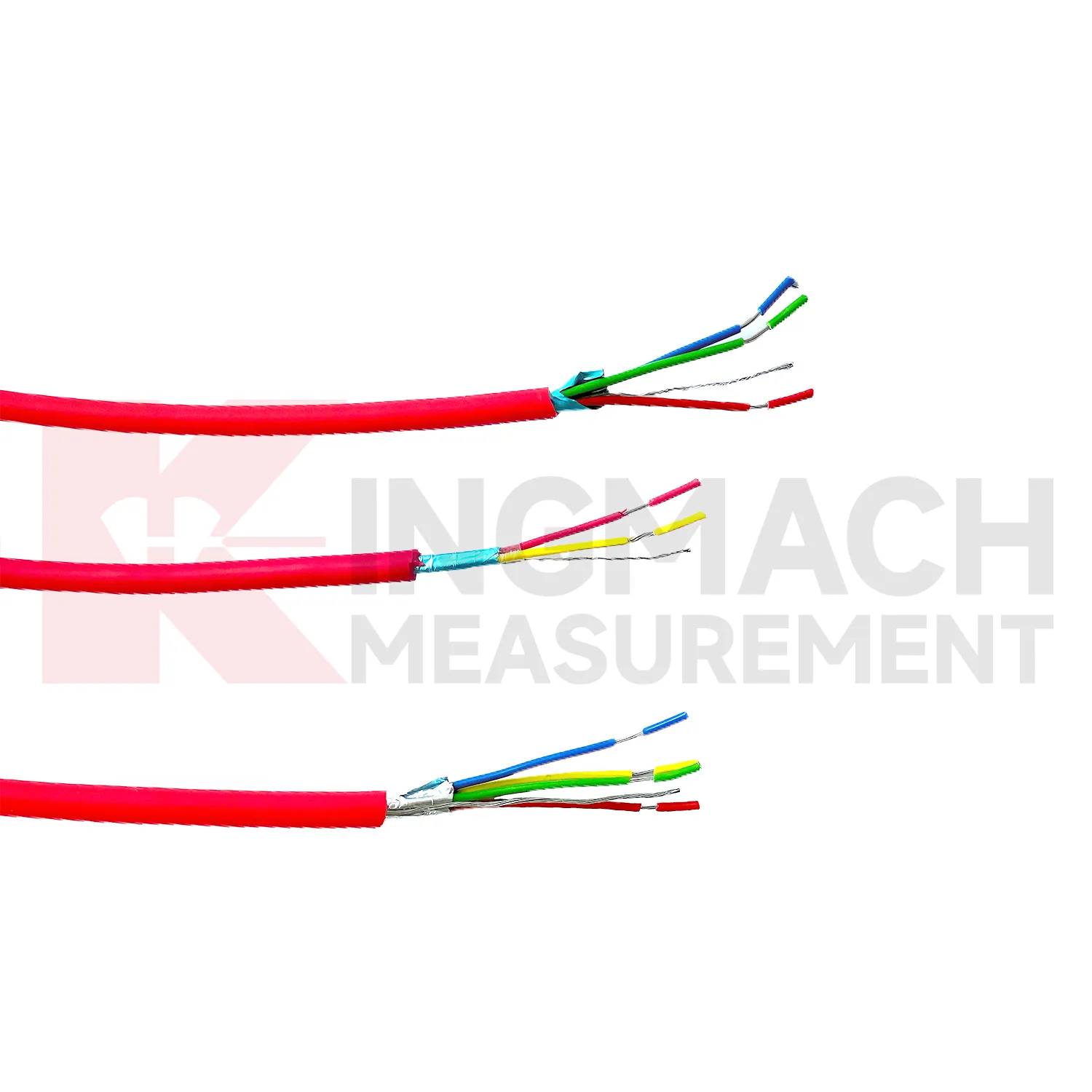
Core planning for Kingmach Triplelayer Shielded Test Cable should be finished before the cabinet layout is frozen. Two-core, three-core, and four-core formats support simpler instrument runs, while six-core, seven-core, nine-core, and ten-core formats help when several conductors need to follow one protected path. The local product data lists 2 m per piece for lower core counts and 6 m per piece for higher core counts. Buyers can use that information to prepare terminal blocks, labels, spare cores, and inspection notes before field crews start pulling cable.
Application of Triplelayer Shielded Test Cable
Laboratory and field testing work uses Kingmach Triplelayer Shielded Test Cable when clean signal transmission is required during temporary or repeat measurements. JMZX-XPX is suited to precise sensor signal transmission because its composite shielding resists electromagnetic and radio-frequency interference. In testing setups, cable movement, nearby equipment, and temporary power can all affect readings if wiring is weak. A shielded test cable with stable insulation helps the team focus on the instrument output and test condition rather than chasing avoidable noise in the connection path.
The future of Triplelayer Shielded Test Cable
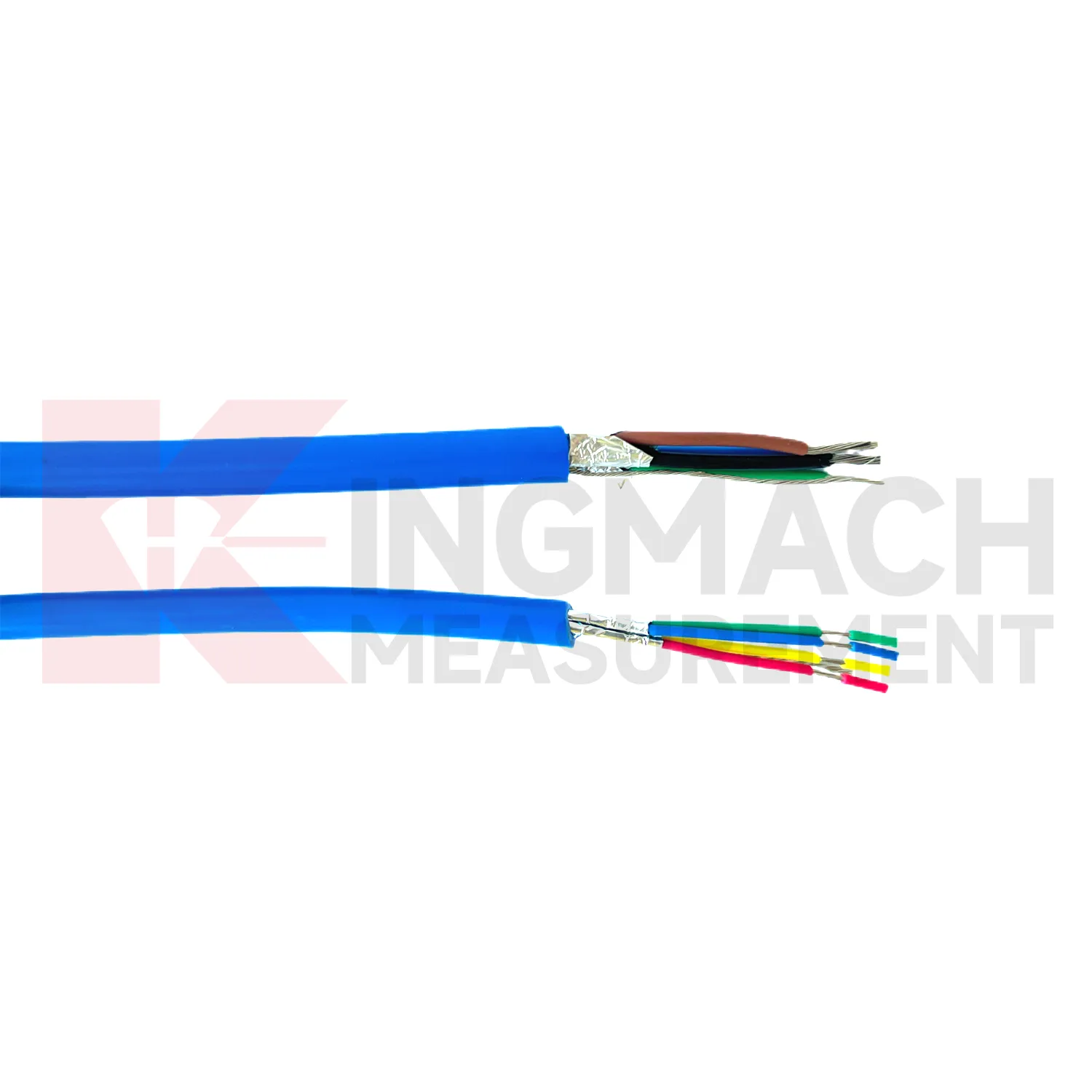
Future water-related monitoring will place more emphasis on Kingmach Triplelayer Shielded Test Cable with sealing and tensile performance. Climate pressure, heavier rainfall, flood control, dam inspection, drainage management, and coastal infrastructure all increase the need for stable data in wet areas. JMZX-XSX is aligned with these needs through its multi-layer sealing, water-resistant insulation, and stronger waterproof and tensile behavior. Good cable planning will help teams keep hydraulic monitoring points active when conditions are hardest to access.
Care & Maintenance of Triplelayer Shielded Test Cable
When replacing Kingmach Triplelayer Shielded Test Cable, preserve the traceability of the old and new route. Record cable model, core count, reason for replacement, removed section condition, new termination details, and first stable data after replacement. Do not hide the replacement by forcing the data record to look continuous without notes. Future reviewers need to know whether a change in reading came from the structure, the sensor, the cable, or the maintenance action. Clear replacement records protect both engineering interpretation and owner confidence.
Kingmach Triplelayer Shielded Test Cable
Kingmach Triplelayer Shielded Test Cable protect monitoring data in places where interference is part of daily site life. Pumps, motors, welding work, power cabinets, railway equipment, construction machinery, and lightning protection systems can all affect weak sensor signals if cable routing is poorly planned. A composite shielding structure in JMZX-XPX helps keep precise sensor signal transmission stable in demanding testing areas. In hydraulic work, JMZX-XSX adds water-resistant insulation and sealing so the data path remains dependable in damp or underwater conditions. The engineering value is simple: fewer unexplained spikes, fewer repeat site visits, and clearer evidence when the structure itself changes.
FAQ
Q: Which core counts are available?
A: The listed options include two-core, three-core, four-core, six-core, seven-core, nine-core, and ten-core versions.
Q: What delivery lengths are shown in the local product data?
A: Two-core to four-core versions are listed as 2 m per piece, while six-core to ten-core versions are listed as 6 m per piece.
Q: Why does shielding matter?
A: Shielding helps reduce electrical interference so weak sensor signals can reach the recorder with less noise.
Q: Why does water resistance matter?
A: Wet cable sections can cause unstable readings or equipment faults if insulation, sealing, and terminations are not handled correctly.
Q: Can the cables be used with different Kingmach instruments?
A: Yes. The category is described as compatible with various monitoring instruments and supports installation, maintenance, and upgrades.
Reviews
Joshua Clark
We ordered a full monitoring solution including sensors and data loggers. Everything works seamlessly together. Great supplier!
Michael Anderson
The strain gauges and load cells are extremely accurate and stable. They performed very well in our bridge monitoring project. Highly recommended!
Latest Inquiries
To protect the privacy of our buyers, only public service email domains like Gmail, Yahoo, and MSN will be displayed. Additionally, only a limited portion of the inquiry content will be shown.
Sophia***@gmail.comUnited Kingdom
Good day, we need environmental monitoring sensors including temperature, humidity, and wind sensors...
Isabella***@gmail.comGermany
Hello, we are evaluating weir flow meters for a water management project. Please share accuracy deta...
Related product categories
- Singlelayer Shielded Test Cable
- Multicore Shielded Test Cable
- 2core / 4core / 6core / 8core Hydrological Cable
- Corrosionresistant Hydrological Cable
- Shielded Hydrological Cable
- Multicore Hydrological Cable
- Data Transmission Cable
- Automated Equipment Test Cable
- Sensor Shielded Test Cable
- Motor Shielded Test Cable
- Signal Cables
- Test dedicated shielded wire