
 EN
EN
 ar
ar bg
bg hr
hr cs
cs da
da nl
nl fi
fi fr
fr de
de el
el hi
hi it
it ko
ko no
no pl
pl pt
pt ro
ro ru
ru es
es sv
sv tl
tl iw
iw id
id lv
lv lt
lt sr
sr sk
sk sl
sl uk
uk vi
vi et
et hu
hu th
th tr
tr fa
fa ms
ms hy
hy ka
ka ur
ur bn
bn mn
mn ta
ta kk
kk uz
uz ku
ku
strain gauge calibration
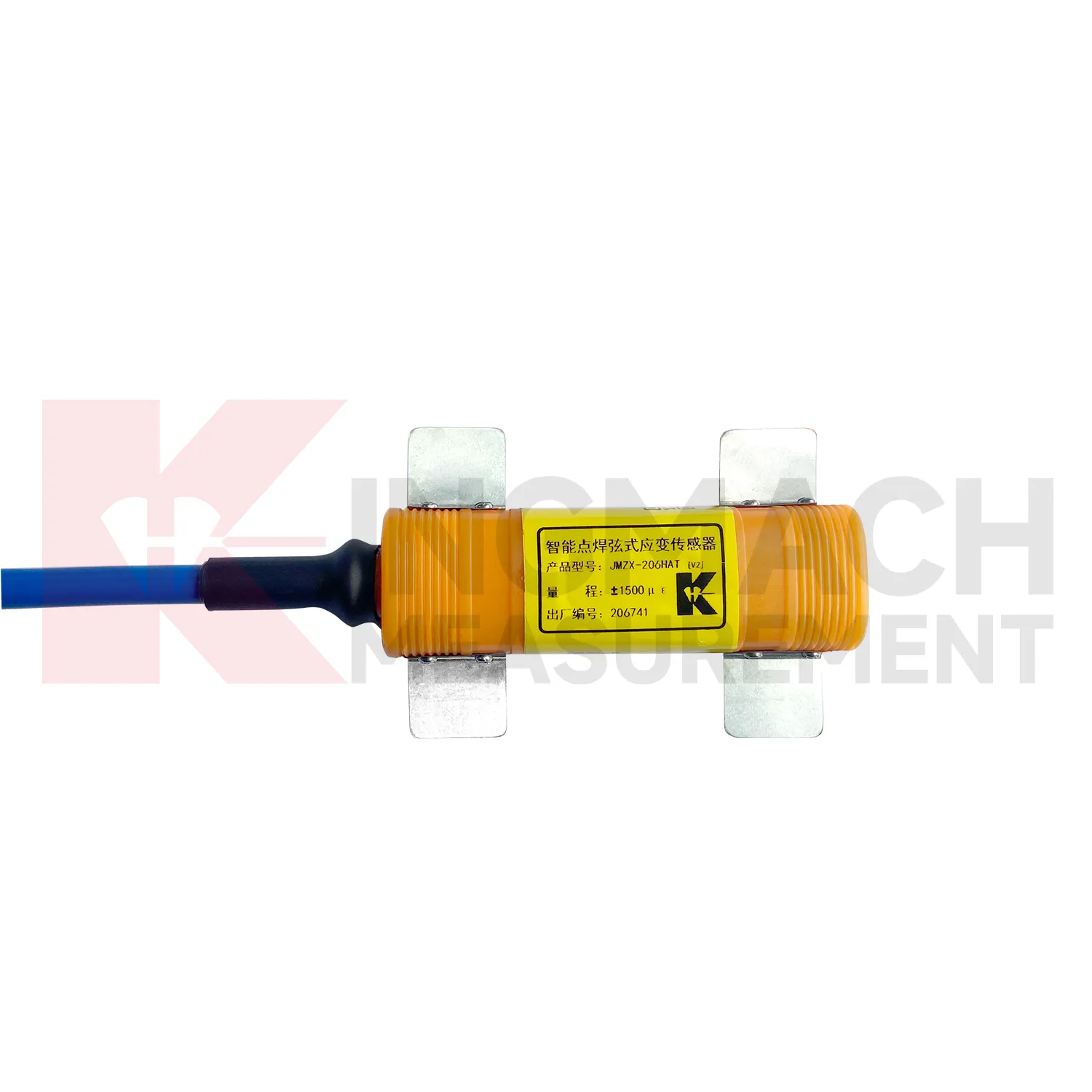
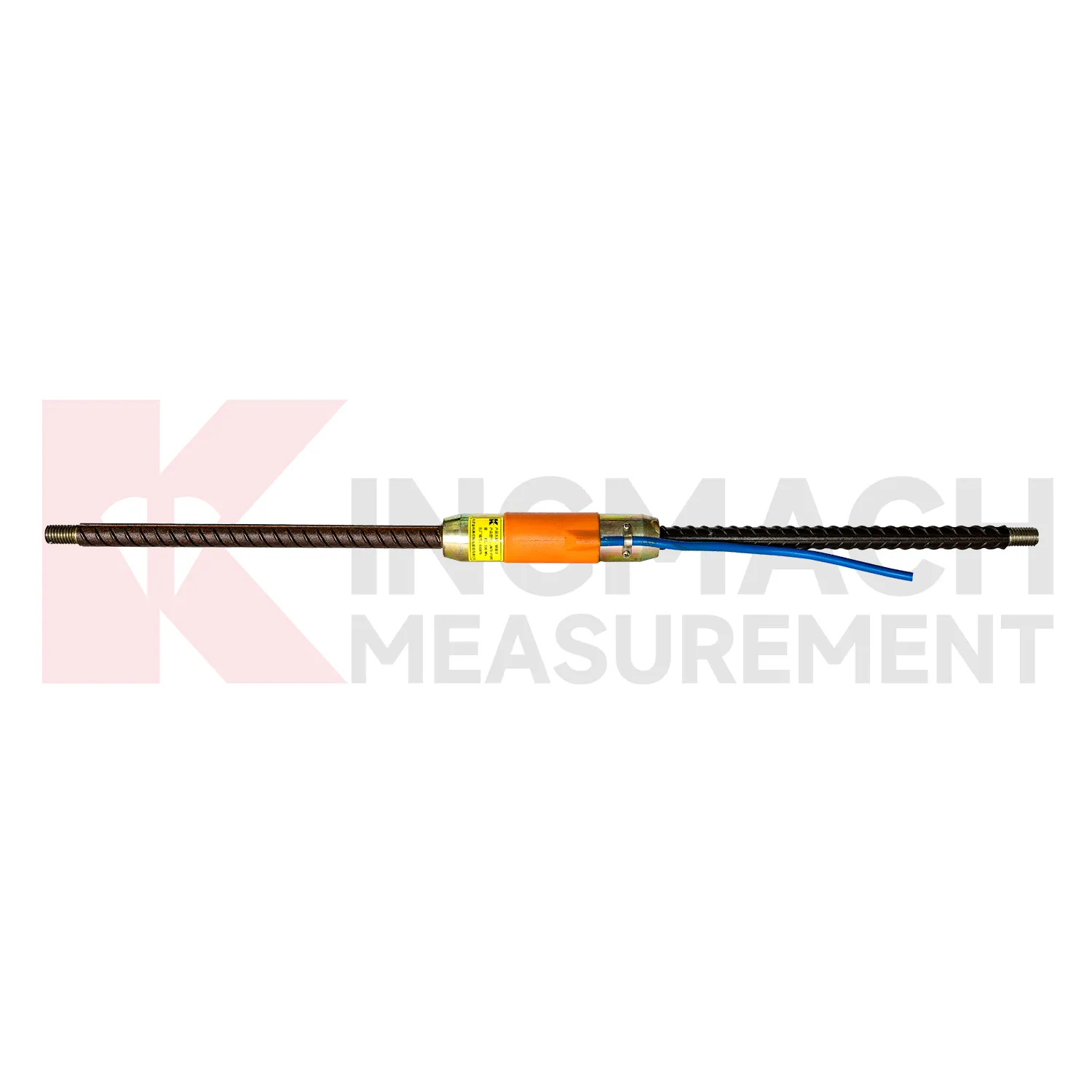
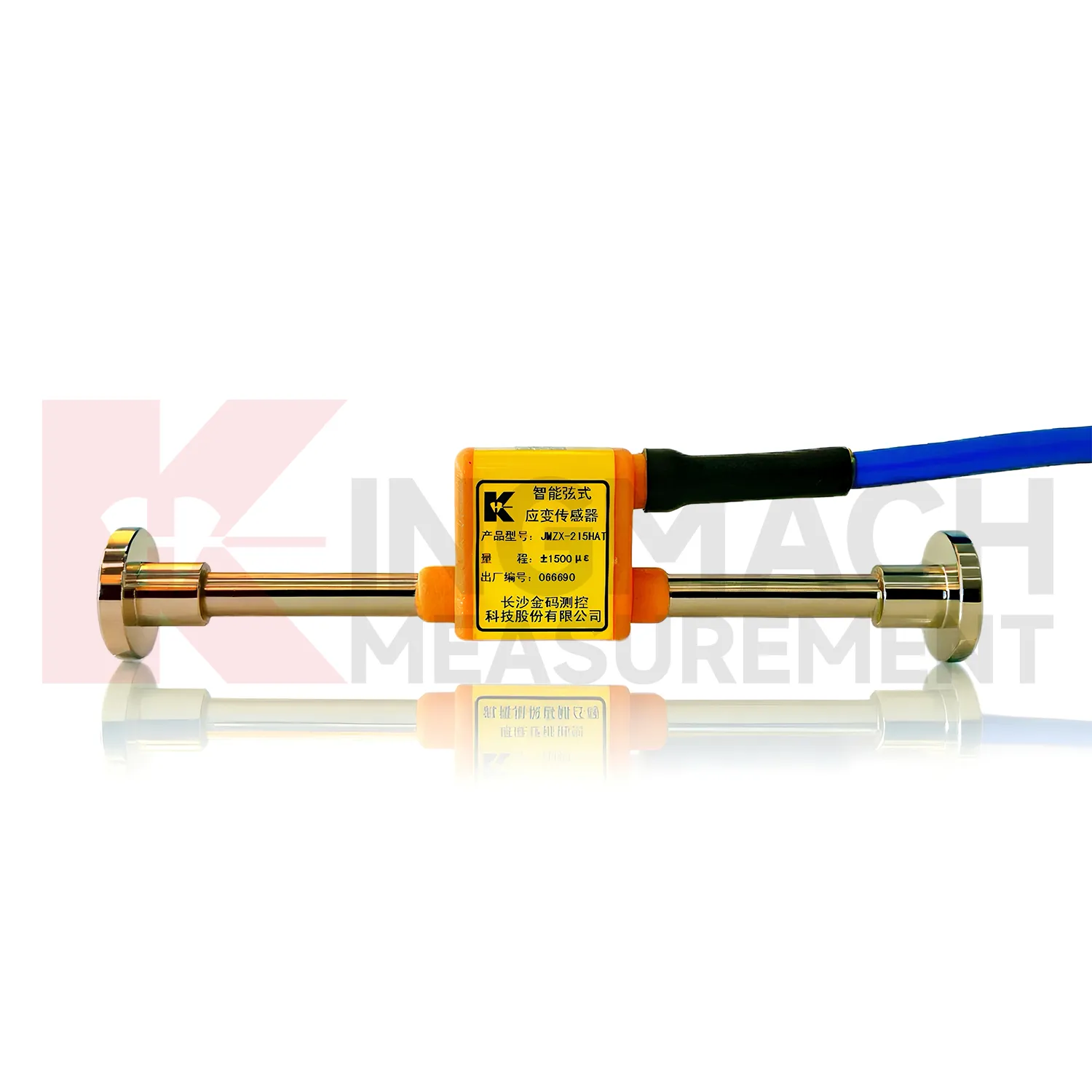
Kingmach {keyword} can be selected for different strain measurement tasks without changing the basic monitoring logic. For exposed concrete or steel surfaces, the JMZX-212HAT/HB model reads surface strain and supports temperature correction. For internal concrete behavior, the JMZX-215HA/215HAT/HB model is installed before pouring and monitors shrinkage, creep, and service strain. For steel structures, the JMZX-206HAT model uses spot welding and offers a -1500 to +2500 microstrain range. For reinforcement stress, the JMZX-4XXHAT/HB rebar strainmeter covers -200 MPa to 350 MPa. Kingmach pairs these instruments with readouts, acquisition systems, and monitoring platforms, allowing project teams to move from a single reading to a managed strain record across construction and operation. This supports several purchasing paths because the information remains product based while still covering manufacturer capability, supplier support, data acquisition, pressure sensing, force sensing, and structural monitoring needs. That is why model data, calibration values, and channel labels should travel with the product from procurement to commissioning. For field teams, those details also shape installation tools, spare cable length, readout selection, and protection work. They also help the owner decide whether manual reading, scheduled logging, or unattended monitoring is the better operating method.
Application of strain gauge calibration
In wind tower and tall structure monitoring, {keyword} can be installed on tower bases, steel sections, concrete transition areas, reinforcement, and connection zones to track bending stress, fatigue, and wind induced strain. These structures face repeated load cycles, vibration, temperature variation, and difficult access after commissioning. Kingmach welded strain gauges provide digital detection, strong anti interference capability, and storage for model data, serial number, calibration coefficients, and up to 800 records. Surface gauges can also provide 0.1 microstrain resolution and optional temperature correction. When strain data is reviewed with accelerometer and tiltmeter readings, operators can see whether tower movement and stress remain within expected patterns. This supports maintenance scheduling and helps avoid relying only on periodic visual inspection. This application also benefits from Kingmach's wider monitoring catalog. Strain can be checked against settlement, tilt, displacement, crack, piezometer, water level, and vibration data to avoid reading one channel out of context. This gives the project team a better way to separate normal behavior from a change that needs inspection. For field use, the strain point should be named, mapped, protected, and reviewed with nearby sensors before any alarm is judged. The same record can support staged construction control, post event inspection, and long term maintenance planning.
The future of strain gauge calibration
Future use of {keyword} in bridges and rail systems will put more attention on fatigue, dynamic loading, and real time maintenance planning. Heavy traffic and repeated train loads create strain cycles that are easy to miss during occasional inspection. Kingmach's strain gauges can already connect with automated acquisition and monitoring platforms, while dynamic strain data loggers and vibration sensors can add context. Over time, AI based trend review may compare strain cycles with traffic periods, temperature, vibration, and displacement to flag unusual behavior. The useful path is specific: more frequent sampling where needed, better channel grouping, and alerts that refer to actual structural zones rather than anonymous numbers. The strongest future systems will still begin with correct model selection. Software can help review data, but it cannot repair a sensor installed in the wrong stress zone. Those improvements fit long term infrastructure monitoring better than one time testing. That path keeps the technology tied to field decisions, not abstract promises.
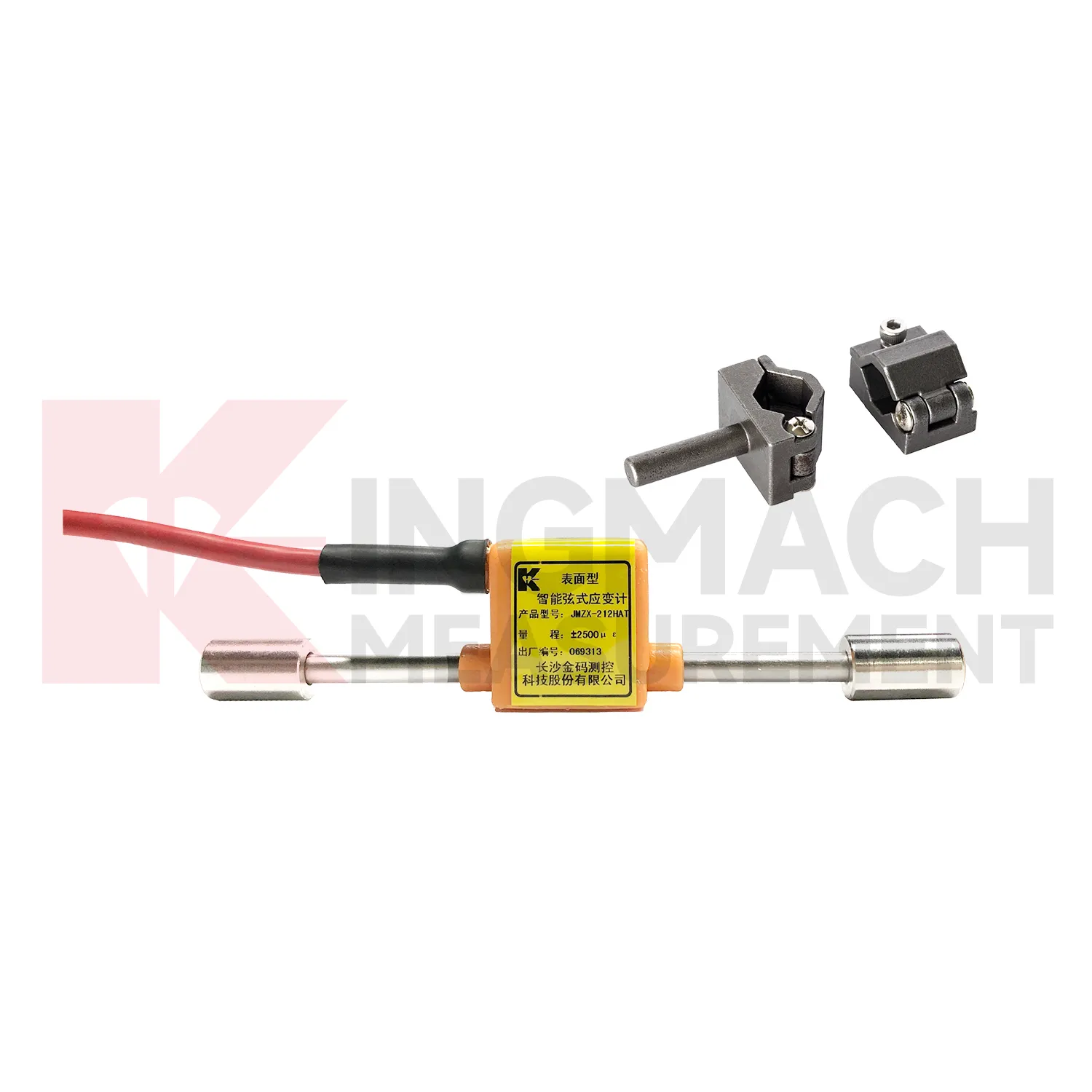
Care & Maintenance of strain gauge calibration
Care for {keyword} starts before the first reading. During installation, the surface or mounting point must be prepared according to the model: surface gauges need clean concrete or steel, embedded gauges must be tied securely to rebar or brackets before pouring, and JMZX-206HAT welded gauges require a polished 10 x 80 mm flat steel area for spot welding. Cable routing should avoid sharp edges, standing water, welding heat, and worker traffic. For long term use, check protective coating, cable glands, junction boxes, and channel labels during inspection. Kingmach vibrating wire models may include temperature correction, so the temperature channel should also be verified. Good early records make later drift or abnormal strain much easier to diagnose. During long term use, maintenance staff should keep the original installation photo, calibration sheet, baseline reading, and channel name together so later teams can understand any drift or sudden change. Keep these checks in the project log.
Kingmach strain gauge calibration
{keyword}can support both short term tests and permanent monitoring. During load testing, it helps confirm whether a beam, pile, support member, or force element responds as expected under controlled loading. During operation, it tracks strain changes caused by traffic, water pressure, ground movement, wind load, or equipment vibration. Kingmach's field experience across bridges, dams, tunnels, rail stations, slopes, and buildings makes the product group relevant to civil infrastructure rather than clean bench testing only. The best use begins with a clear measurement point, proper installation, protected cabling, and a data logger or platform that keeps the readings traceable. That makes the product information useful for surface gauges, embedded gauges, welded gauges, and rebar strainmeters without losing technical sense. That field record supports later inspection. It also gives engineers a cleaner baseline for later comparison. The same data can guide inspection notes and repair timing. Site records matter.
FAQ
Q: What is the difference between surface and embedded {keyword}?
A: Surface models read strain on accessible concrete or steel surfaces, while embedded models are tied to rebar or brackets before concrete is poured.
Q: What is the difference between welded gauges and bonded gauges?
A: Welded gauges are fixed to prepared steel by spot welding, which can be more suitable for long term steel structure monitoring in some field conditions.
Q: Why use a vibrating wire design?
A: Vibrating wire signals can transmit over long distances with strong anti interference performance, which suits civil infrastructure monitoring.
Q: What does 0.1 microstrain resolution mean?
A: It means the instrument can distinguish very small strain changes, provided installation, cabling, acquisition, and environmental correction are handled correctly.
Q: Can it be used with digital platforms?
A: Yes. Strain readings can be sent through acquisition hardware to monitoring platforms for trend review, alarms, and comparison with other sensor data.
Reviews
Matthew Garcia
Instrumentation cables are durable and perform well even in harsh environments. Will definitely order again.
Robert Taylor
The weir flow meter is well-built and delivers accurate measurements. Great value for water management applications.
Latest Inquiries
To protect the privacy of our buyers, only public service email domains like Gmail, Yahoo, and MSN will be displayed. Additionally, only a limited portion of the inquiry content will be shown.
Amelia***@gmail.comSingapore
Hello, I am looking for visualization software for monitoring system data analysis. Please let me kn...
Evelyn***@gmail.comSouth Africa
Hi, we are a contractor working on tunnel construction and need settlement sensors and displacement ...
Related product categories
- strain sensors manufacturers
- surface strain sensor market
- wholesale strain gauge weight sensor
- strain gauge calibration
- strain gauge measurement
- strain gauge for weight measurement
- strain gauge pressure sensors
- strain gauge application
- strain gauge sensor application
- strain gauge sensor types
- strain gauge vibration sensor
- strain gauge weight sensor