
 EN
 ar
 bg
 hr
 cs
 da
 nl
 fi
 fr
 de
 el
 hi
 it
 ko
 no
 pl
 pt
 ro
 ru
 es
 sv
 tl
 iw
 id
 lv
 lt
 sr
 sk
 sl
 uk
 vi
 et
 hu
 th
 tr
 fa
 ms
 hy
 ka
 ur
 bn
 mn
 ta
 kk
 uz
 ku

Cable force measuring instrument
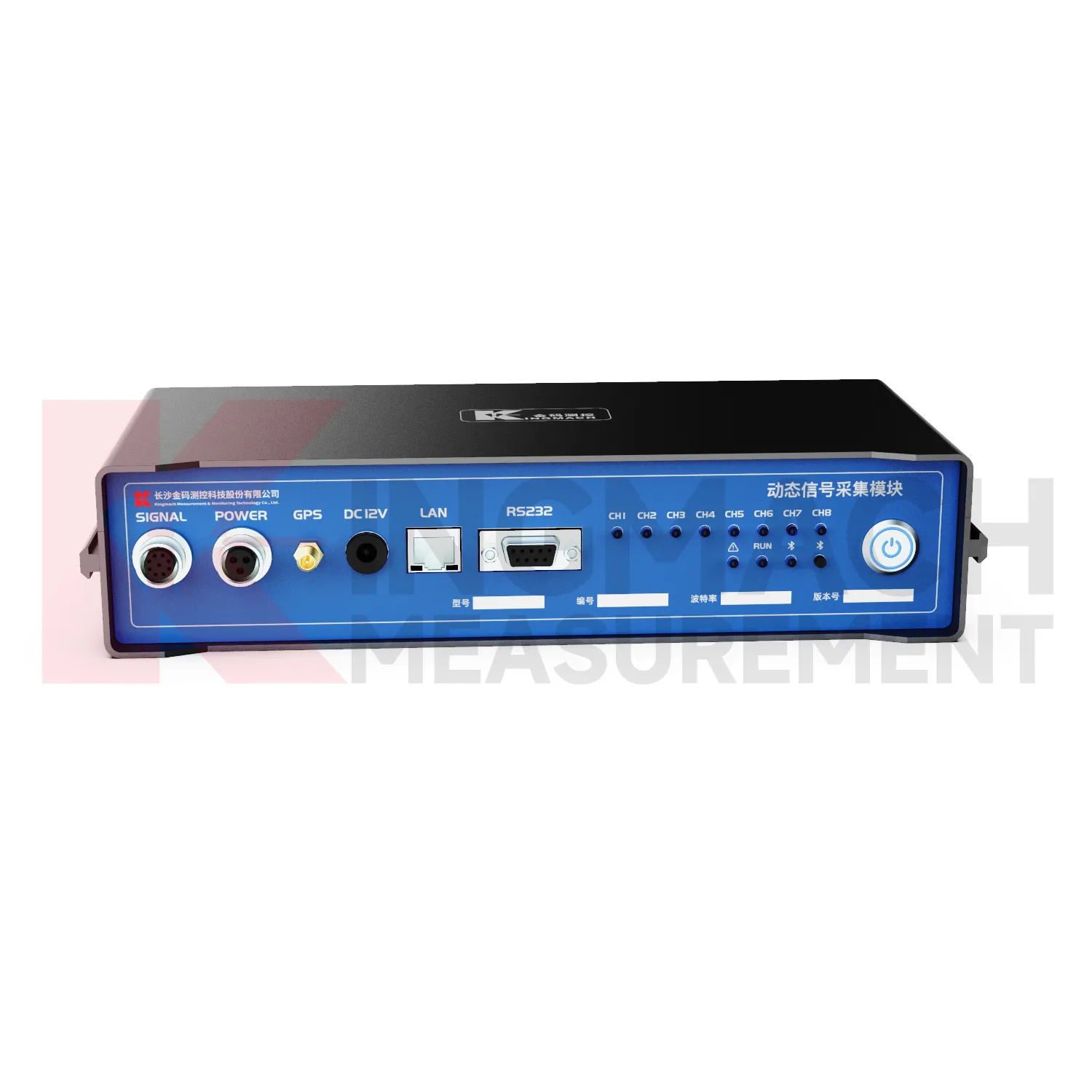
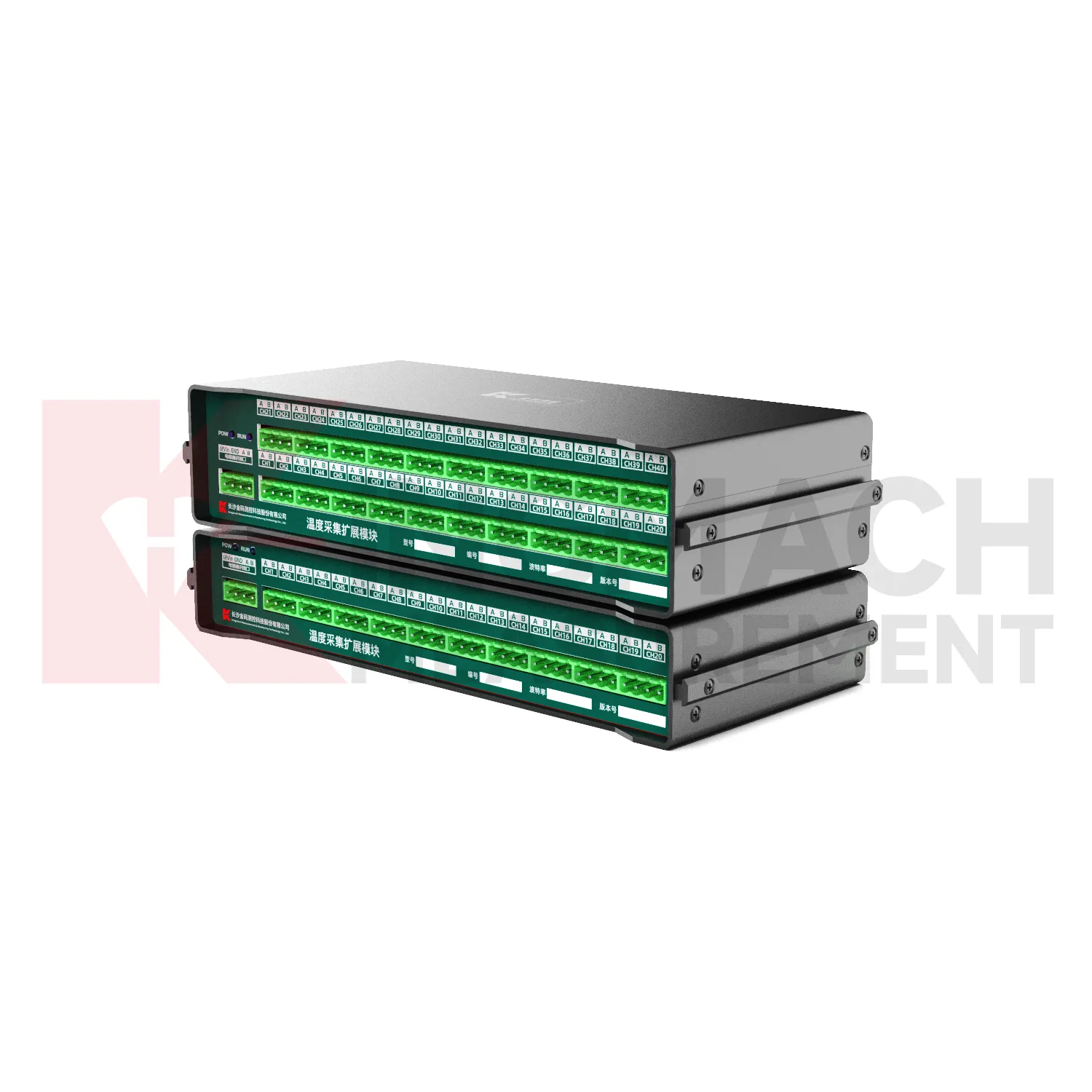
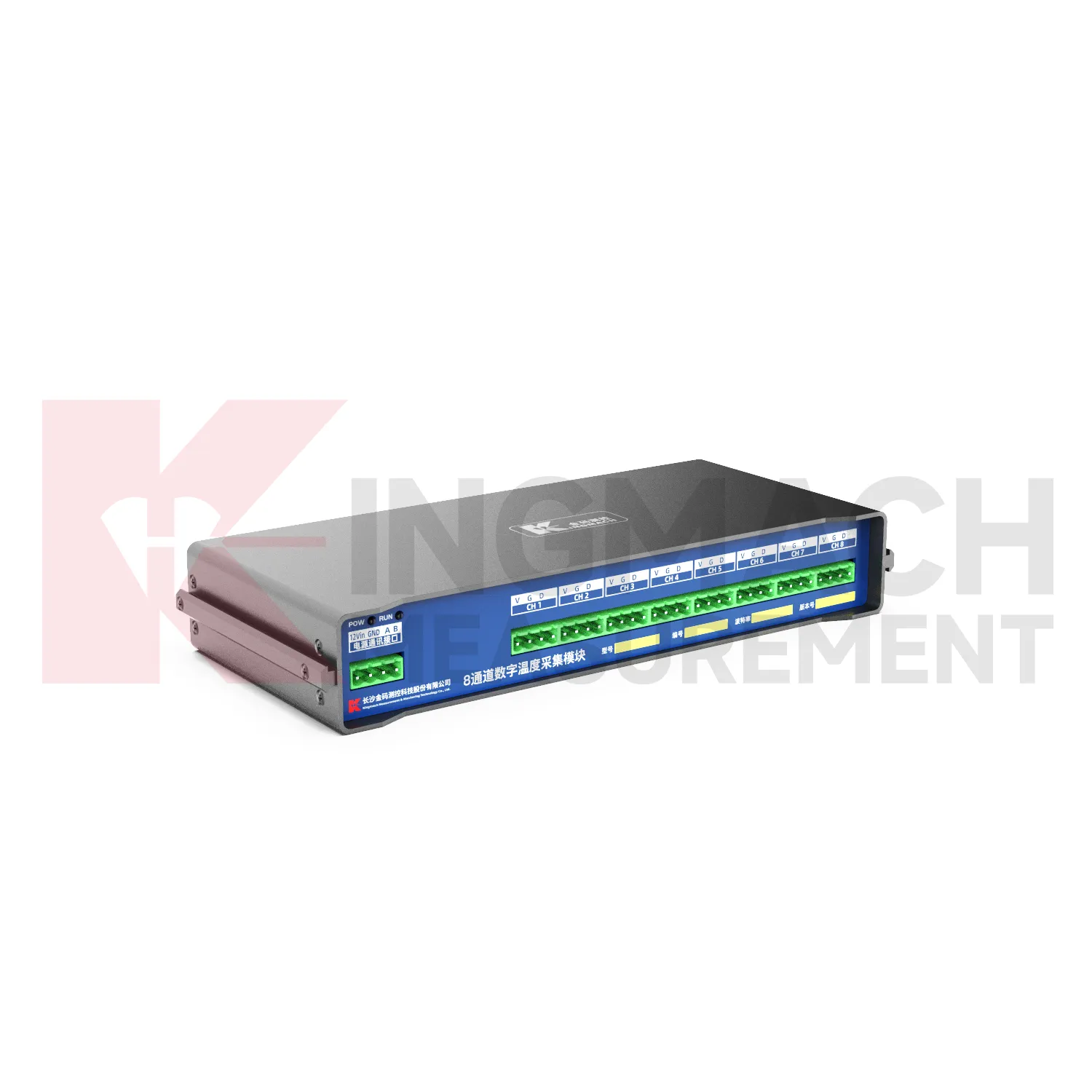
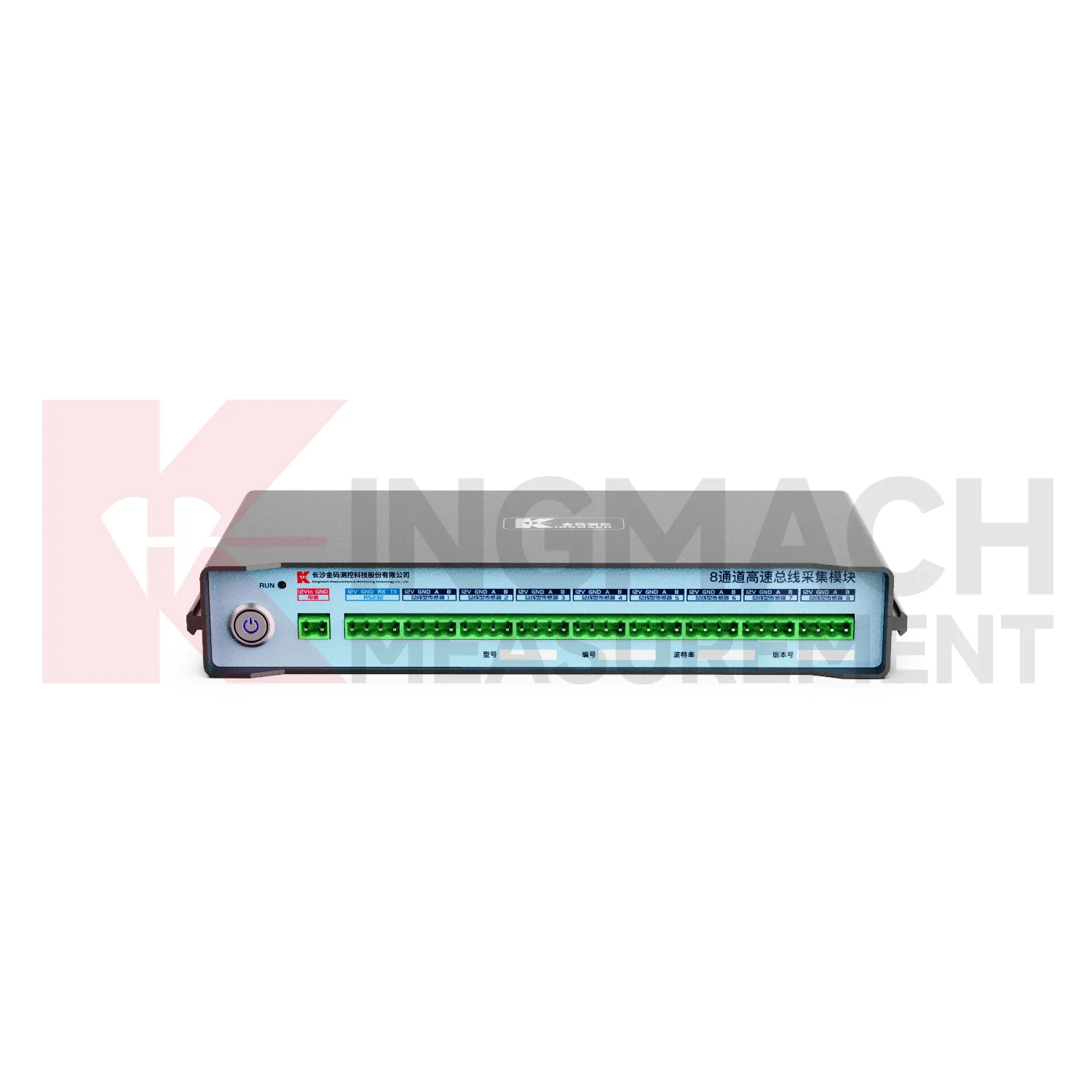
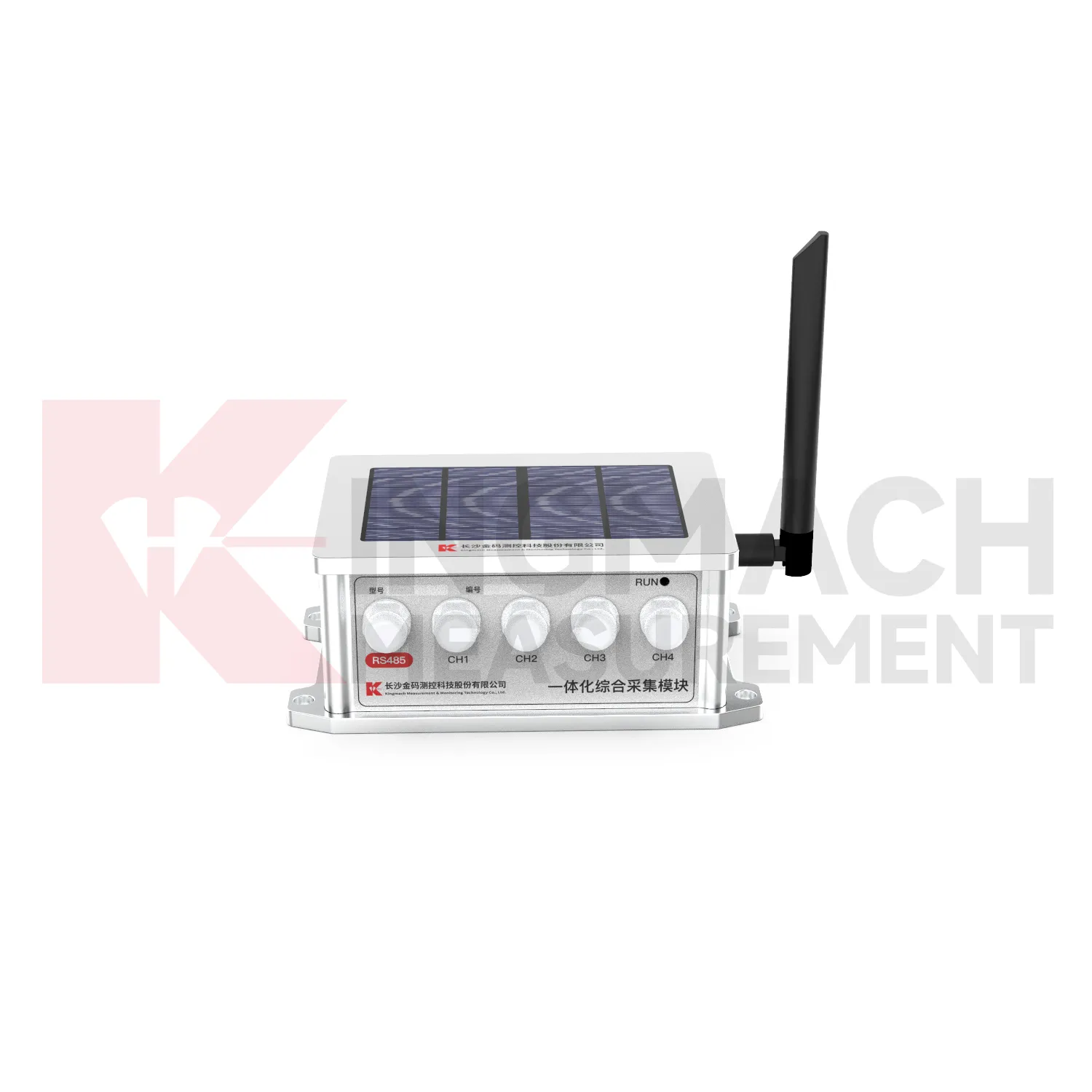
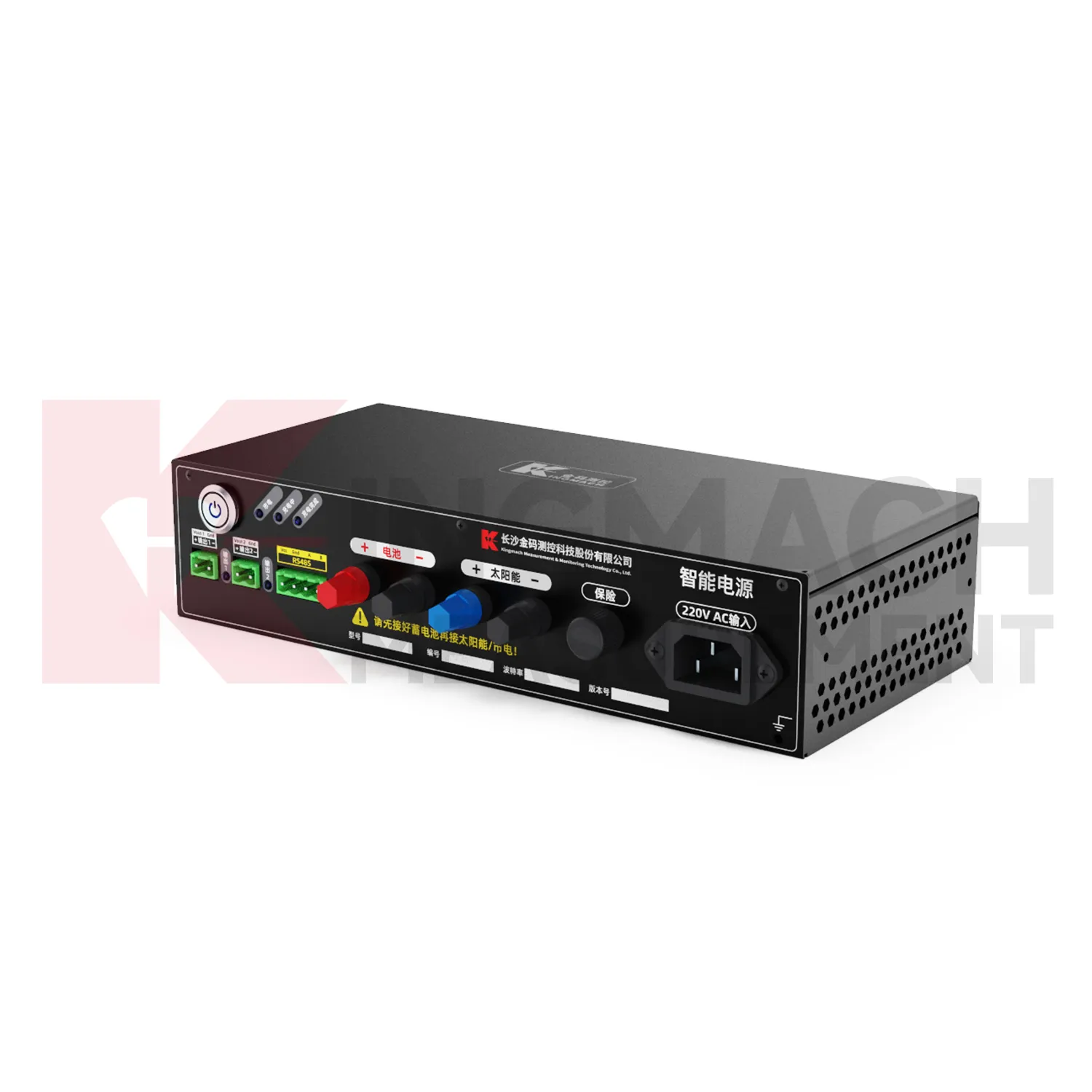
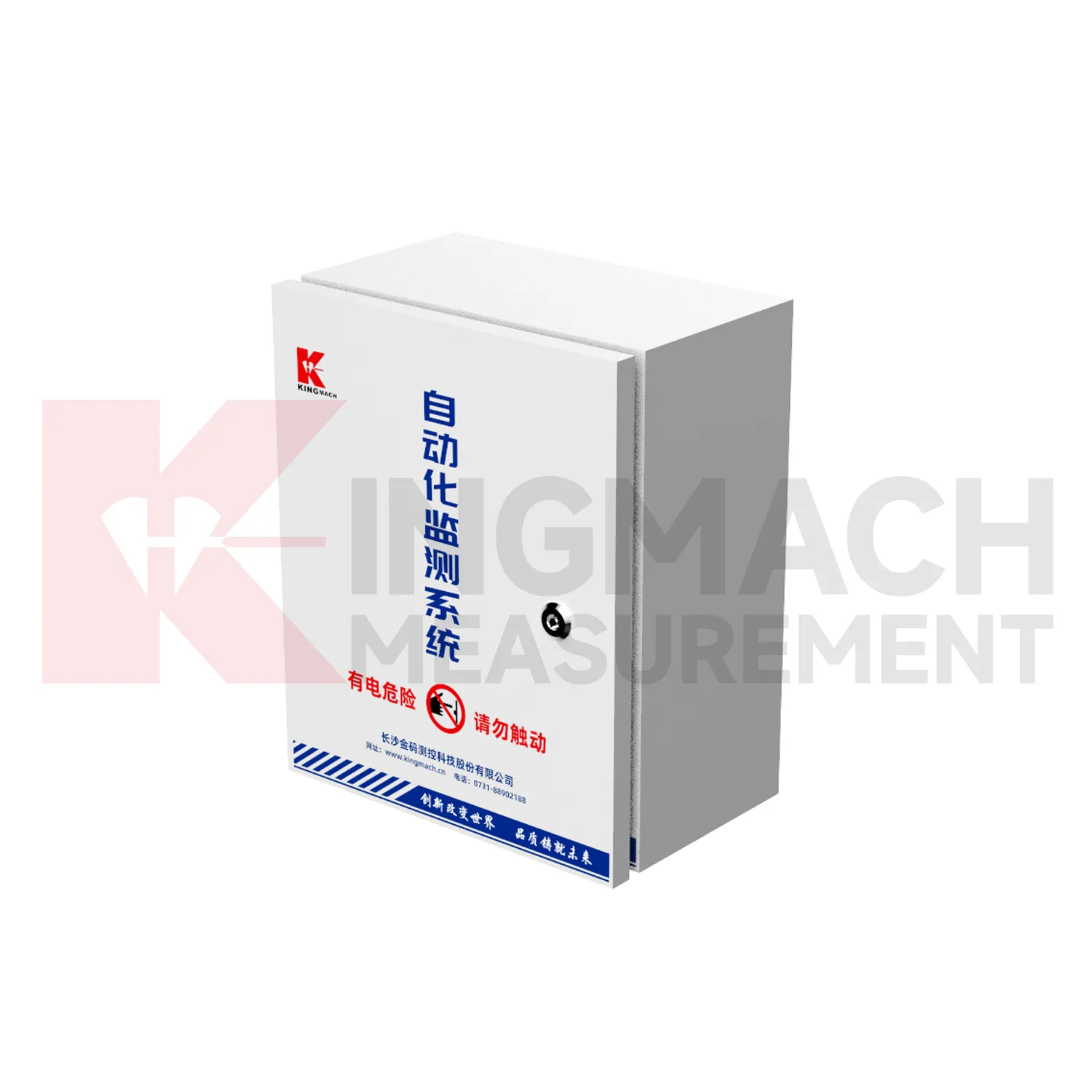
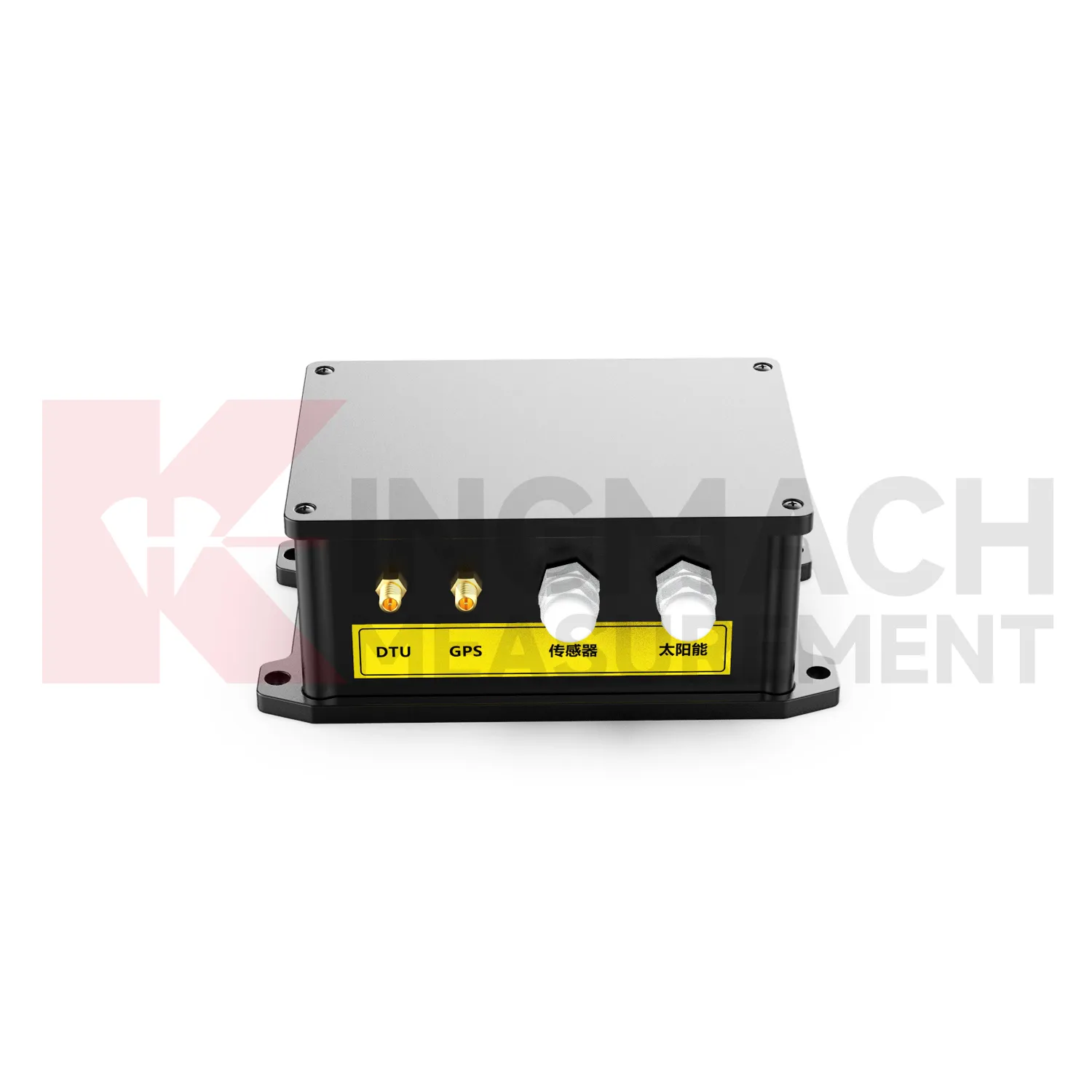
Kingmach Cable force measuring instrument make monitoring networks easier to operate when sensor readings must support formal decisions. Construction teams may need fast confirmation after loading or excavation. Maintenance teams may need periodic checks after repair. Owners may need long-term records that can be exported for reporting. A data logger or readout should support these uses through stable measurement, clear display, dependable storage, and practical communication. It should also help prevent avoidable confusion by keeping the channel name, sensor type, and acquisition time visible. When the device is planned as part of the monitoring system, the project gains cleaner data and fewer uncertain readings. Formal decisions often require a record that can be defended months later. The reviewer may need to know who collected the data, which device was used, whether the station was healthy, and whether a field note explains unusual behavior. Acquisition discipline gives that review a stronger foundation and reduces arguments about missing context. Such discipline supports construction claims, repair review, safety meetings, and owner handover. A dependable device record can show whether a reading was routine, repeated, missing, or linked to a maintenance action. It also helps teams explain why an abnormal value was accepted, questioned, repeated, or linked to field inspection.
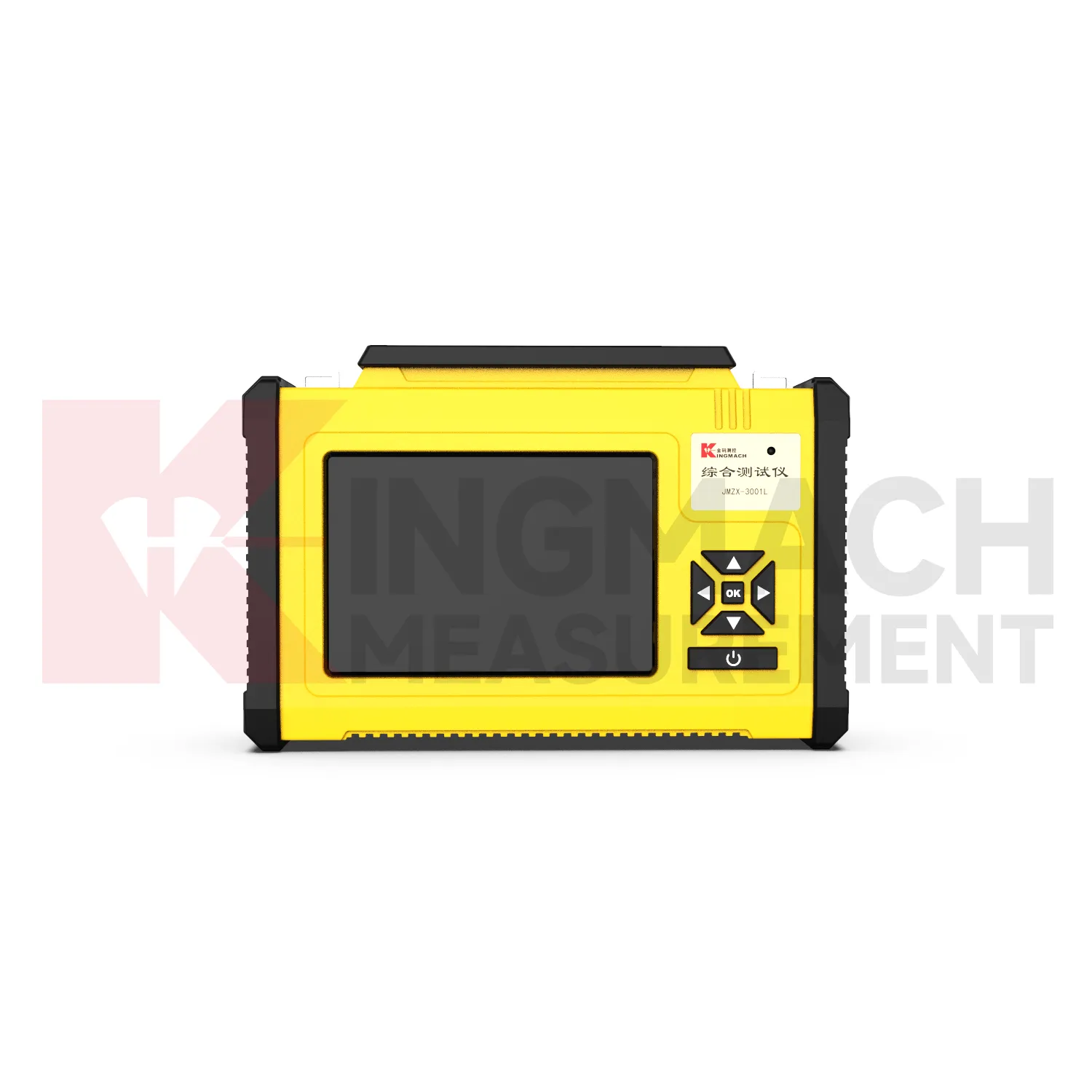
Application of Cable force measuring instrument
Slope and foundation pit monitoring uses Kingmach Cable force measuring instrument to keep displacement, load, pore pressure, rainfall, tilt, and structural response records organized. Field crews may use readouts to check sensors during excavation stages, anchor tensioning, drainage work, or inspection visits. Wireless loggers are useful when the site needs continuous records through rain, night shifts, or limited access periods. The acquisition interval should match the risk level and the construction stage. If excavation changes quickly, more frequent records may be needed; if the site is stable, routine intervals may be enough. A well-labeled data logger helps engineers compare changes with rainfall, excavation depth, support installation, and site photographs. In foundation pits, the monitoring record should follow construction sequence closely. Excavation depth, support installation, dewatering activity, anchor work, and heavy rainfall can all change the reading pattern. Acquisition equipment should help the team keep these events attached to the correct sensor group. This makes it easier to see whether a change belongs to construction progress, weather, support behavior, or a device issue. It also helps supervisors compare readings before and after excavation steps, temporary loading, rainfall response, and support adjustments without losing the site timeline. across the construction record. for later review. clearly.
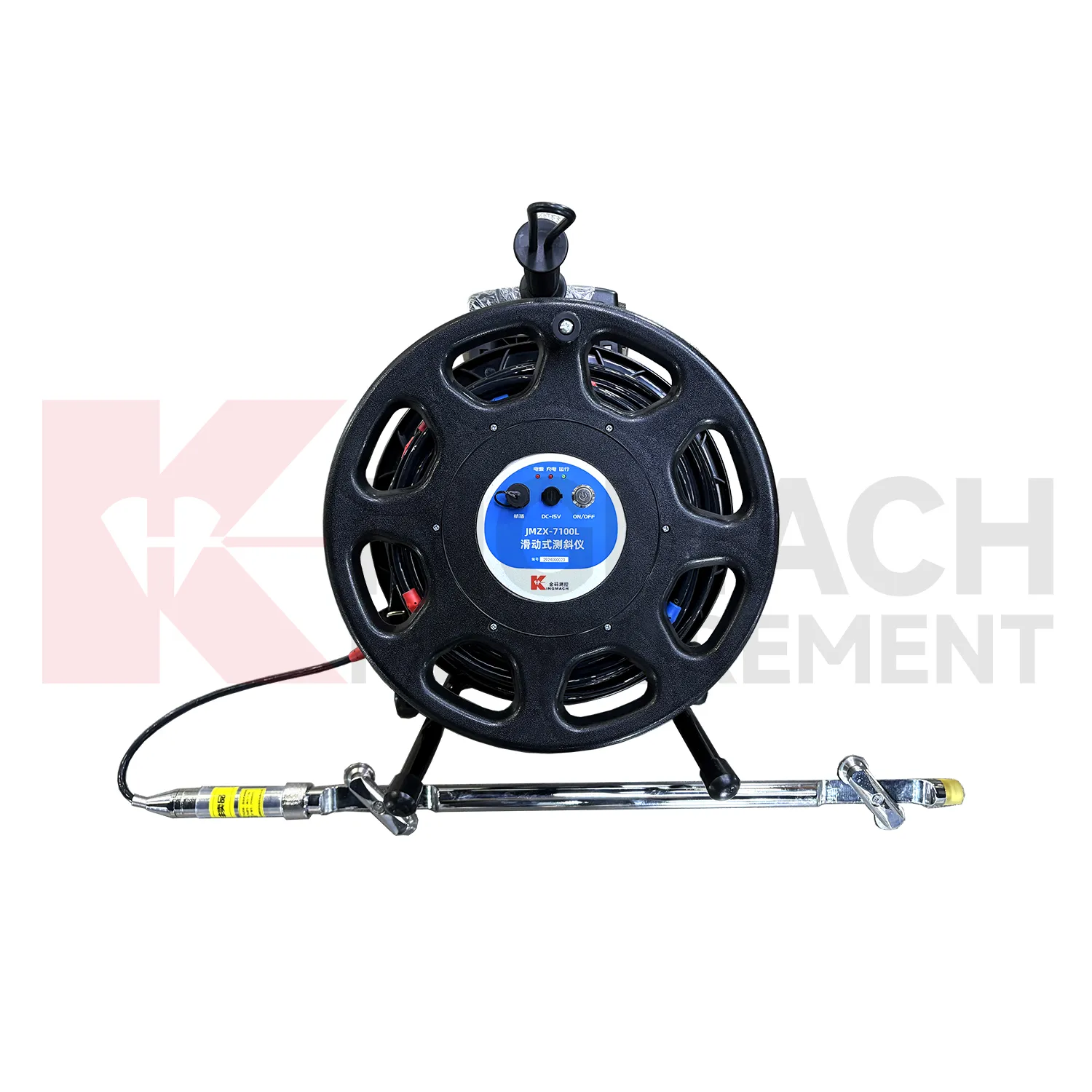
The future of Cable force measuring instrument
Future Kingmach Cable force measuring instrument will support stronger links between acquisition equipment and monitoring platforms. Readouts and loggers will remain physical field devices, but the value of the record increases when data can move into review systems without losing channel identity or site context. Stable export, wireless upload, remote update, and platform naming discipline will become more important. This direction helps owners maintain continuous records across portable checks, fixed stations, dynamic tests, and long-term monitoring dashboards. Platform integration should also protect field meaning. A channel uploaded from a remote logger should still show its structure, sensor type, acquisition interval, and maintenance state inside the review system. If that identity is lost, the dashboard may look complete while the engineering meaning becomes weak. Future acquisition planning should therefore treat device configuration and platform naming as one connected task. This will reduce manual cleanup after data export and improve long-term traceability. for owners. clearly.
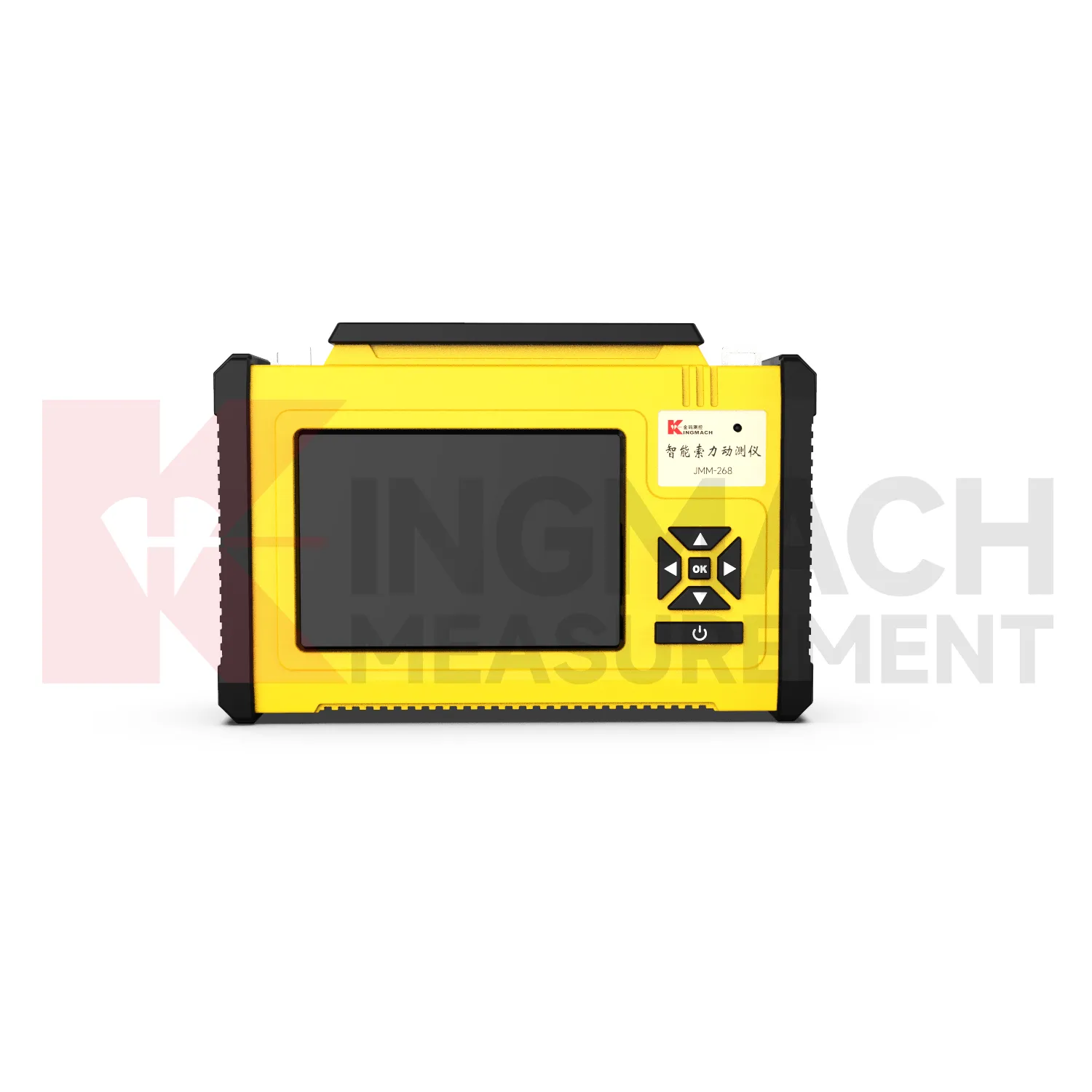
Care & Maintenance of Cable force measuring instrument
Battery and power checks are essential for Kingmach Cable force measuring instrument. Portable readouts need charged batteries before inspection rounds, while remote loggers need stable supply, low-power settings, or solar charging where applicable. A weak battery can create missing readings, interrupted uploads, or unstable acquisition during the period when data is needed most. Maintenance teams should record charge status, replacement dates, power mode, and any abnormal shutdown. For unattended stations, voltage history and last upload time should be reviewed together. This helps distinguish a site event from a power-related data gap. Power maintenance should also consider seasonal access. A slope station may be difficult to reach after rain, and a dam gallery may require planned entry. If battery replacement, solar panel cleaning, or charger inspection is delayed, the risk should be visible in the station notes. Clear power history helps engineers decide whether missing data reflects device condition or real site behavior.
Kingmach Cable force measuring instrument
A strong monitoring system needs Kingmach Cable force measuring instrument that fit the sensor network and the site conditions. Some projects need a compact handheld unit for spot checks and commissioning. Others need a multi-channel data logger for vibrating wire sensors, dynamic strain, environmental points, or digital RS485 instruments. Remote sites may need low-power wireless acquisition with scheduled measurement and active upload. The important question is how the device helps the team keep a continuous, explainable record. Battery condition, enclosure protection, communication path, channel labels, and data export all influence whether the monitoring record can support maintenance, safety review, or construction control. For remote stations, the acquisition interval, upload status, battery condition, enclosure condition, and last maintenance visit should remain visible so unattended monitoring does not become a blind record. For dynamic tests, timing accuracy, event naming, channel synchronization, and signal conditioning help the team compare motion or strain events with construction activity, traffic, wind, or machinery operation.
FAQ
Q: How should devices be maintained?
A: Maintain batteries, connectors, labels, cable routes, enclosures, communication settings, storage, and exported records according to site conditions.
Q: Why record setting changes?
A: A changed interval, communication method, channel name, or firmware state can affect later interpretation, so the date and reason should remain visible.
Q: Can data be reviewed remotely?
A: Wireless and platform-connected devices can support remote review when communication, power, upload settings, and channel identity are configured correctly.
Q: What makes long-term records useful?
A: Long-term records stay useful when baseline values, maintenance notes, device status, sensor locations, and normal behavior examples remain available.
Q: What should buyers ask suppliers?
A: Buyers should ask about sensor compatibility, channel capacity, power planning, storage, communication, export format, field protection, and after-sales support. The record stays useful when point names, channel labels, sensor type, measurement time, and field condition are kept together, because later reviewers can connect the number with the actual structure and inspection history.
Reviews
Joshua Clark
We ordered a full monitoring solution including sensors and data loggers. Everything works seamlessly together. Great supplier!
Matthew Garcia
Instrumentation cables are durable and perform well even in harsh environments. Will definitely order again.
Latest Inquiries
To protect the privacy of our buyers, only public service email domains like Gmail, Yahoo, and MSN will be displayed. Additionally, only a limited portion of the inquiry content will be shown.
Olivia***@gmail.comUnited States
Hello, we are currently sourcing high-precision strain gauges and load cells for a bridge monitoring...
Sophia***@gmail.comUnited Kingdom
Good day, we need environmental monitoring sensors including temperature, humidity, and wind sensors...
Related product categories
- Big Data Analysis
- Dynamic Signal Data Logger
- Automated Data Acquisition System
- Integrated Monitoring System Software Platform
- Modular Monitoring System Software Platform
- digital readout
- digital readout tape measure
- digital readout scales
- digital readouts
- load cell readout
- load cell readouts
- tape measure digital readout