
 EN
 ar
 bg
 hr
 cs
 da
 nl
 fi
 fr
 de
 el
 hi
 it
 ko
 no
 pl
 pt
 ro
 ru
 es
 sv
 tl
 iw
 id
 lv
 lt
 sr
 sk
 sl
 uk
 vi
 et
 hu
 th
 tr
 fa
 ms
 hy
 ka
 ur
 bn
 mn
 ta
 kk
 uz
 ku

Groundwater modeling software
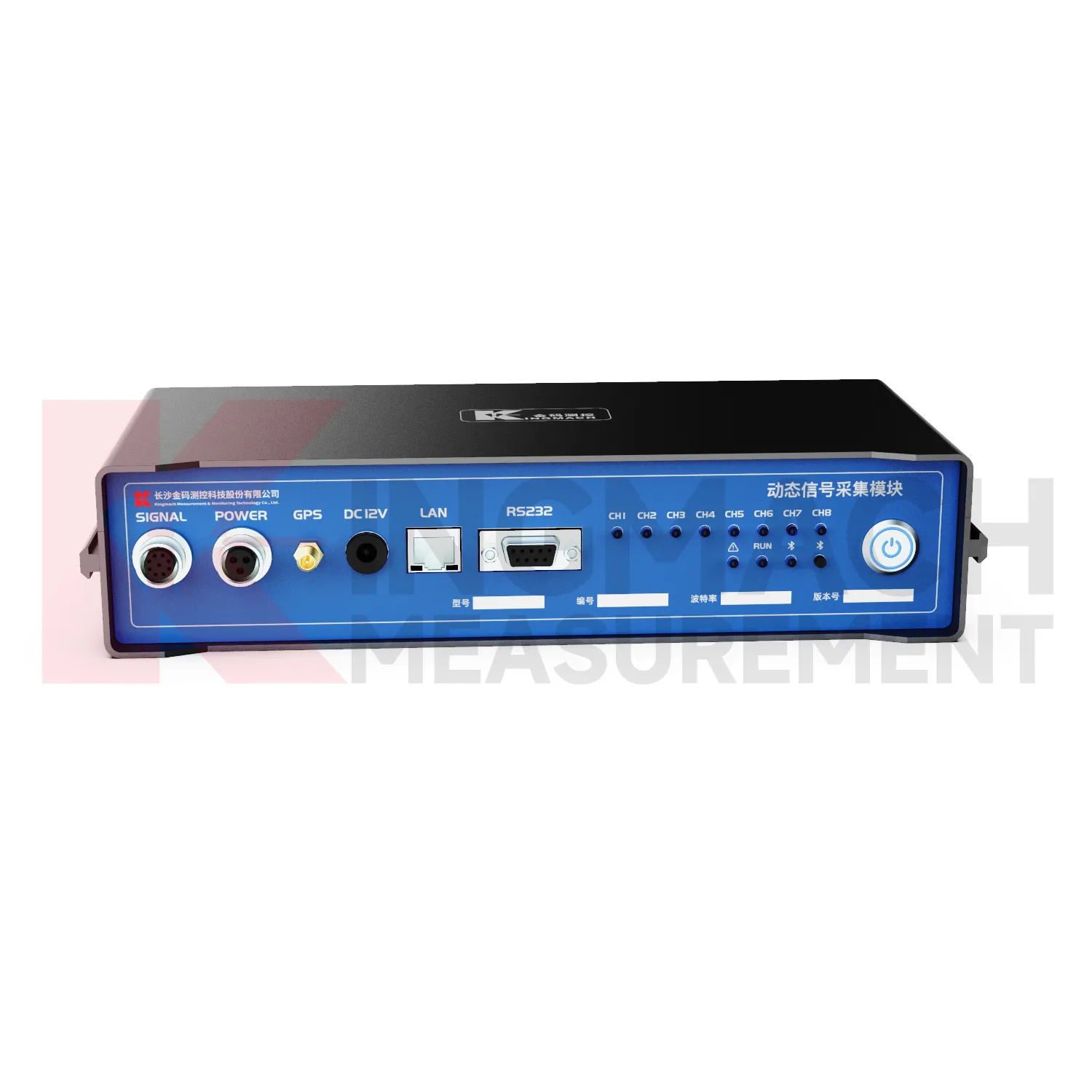
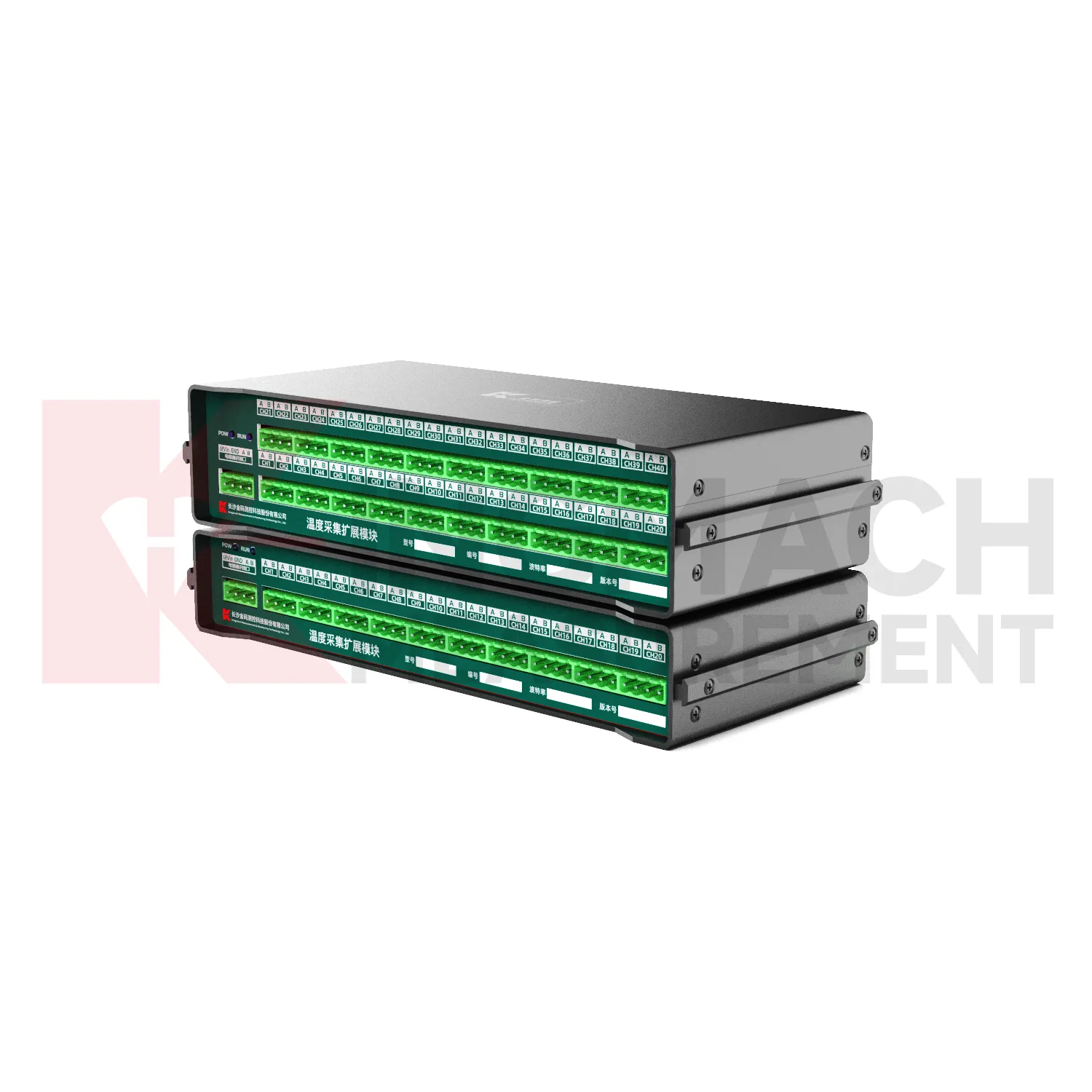
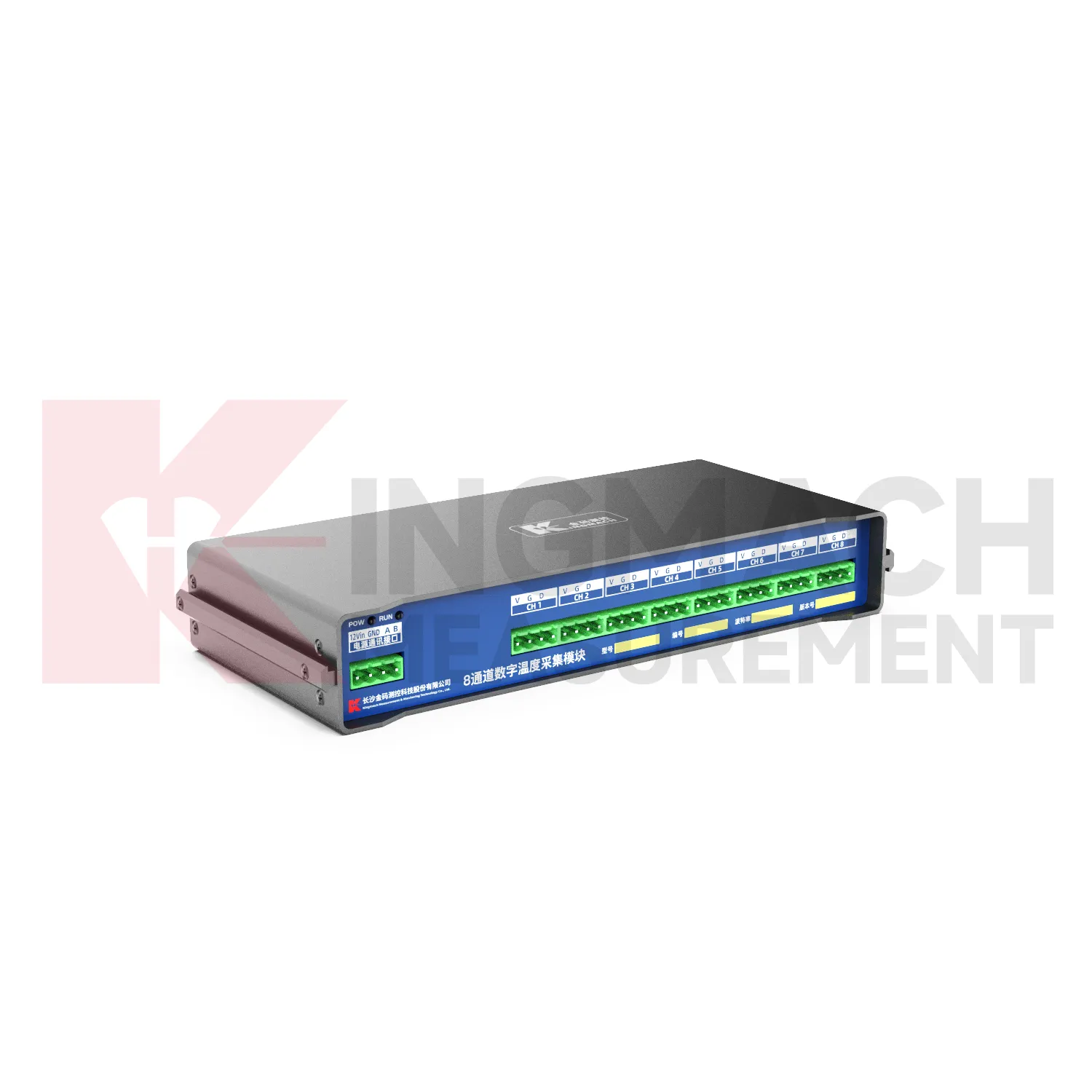
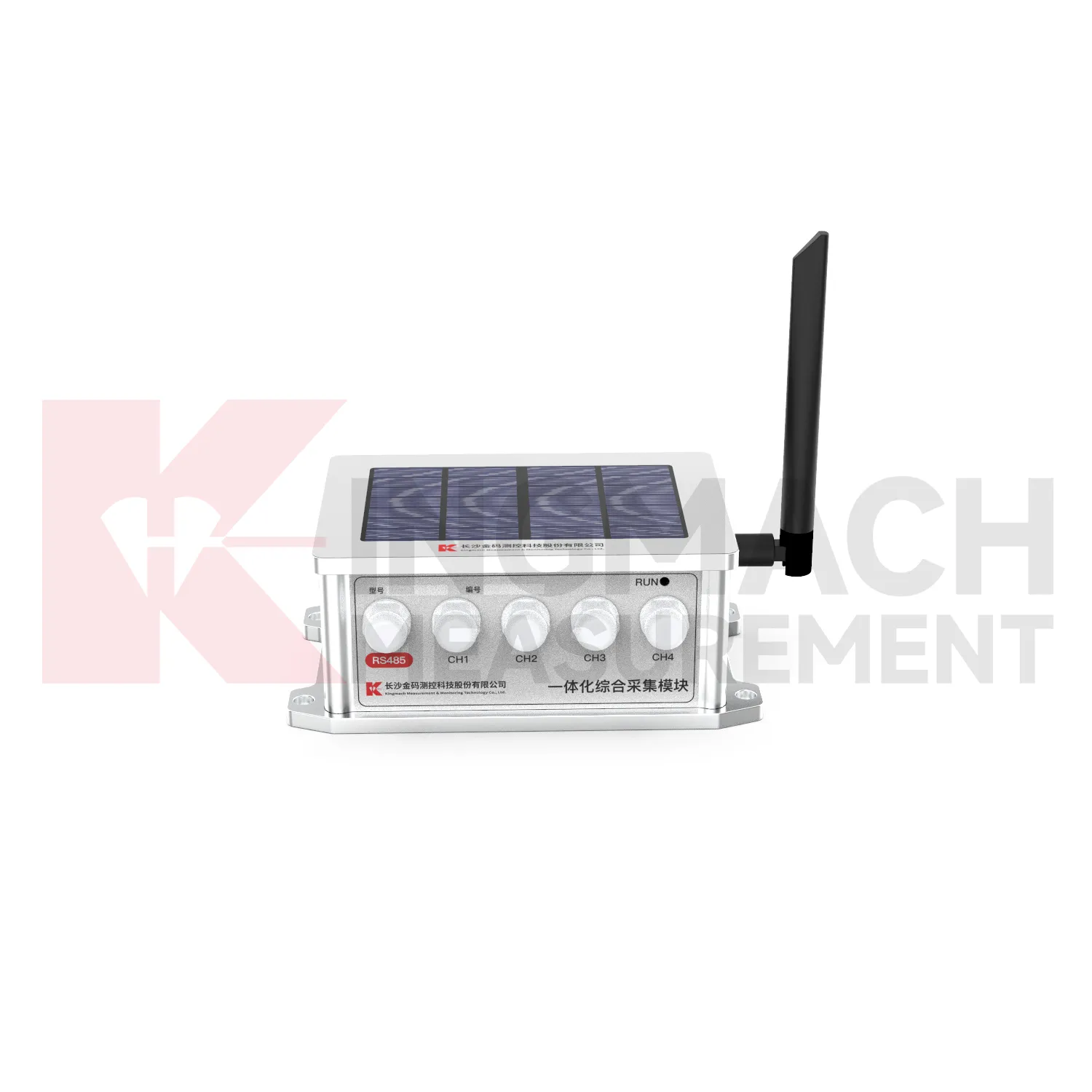
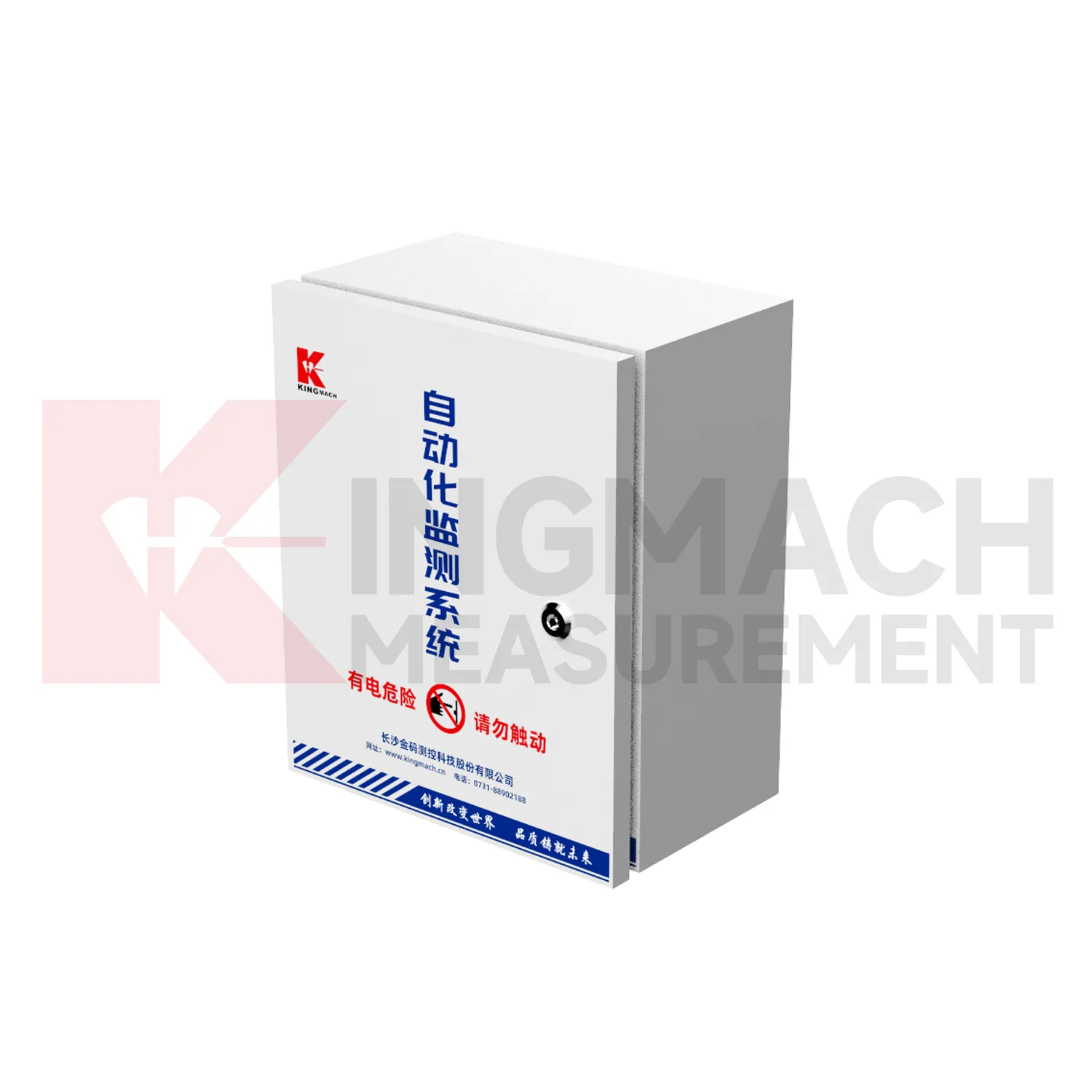
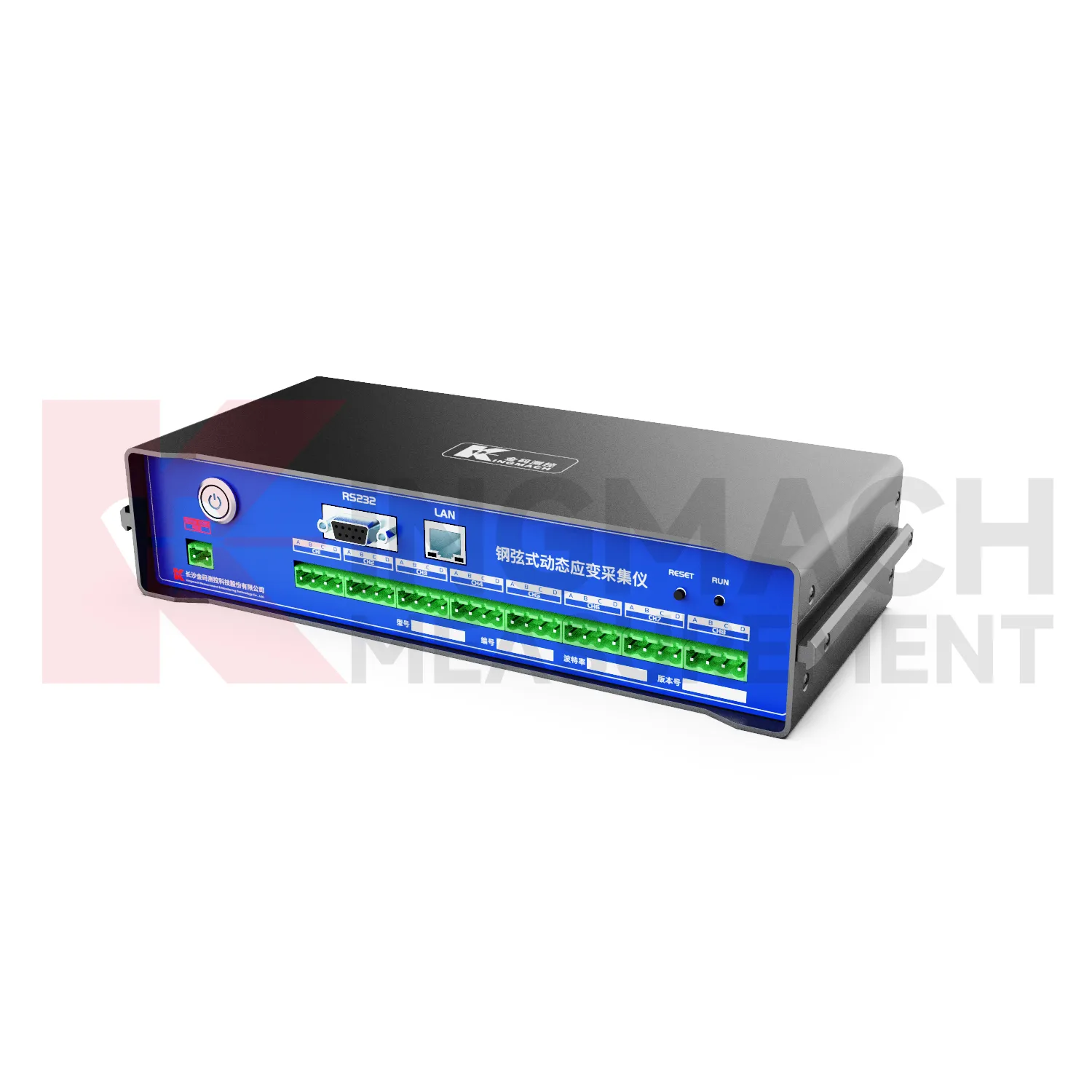
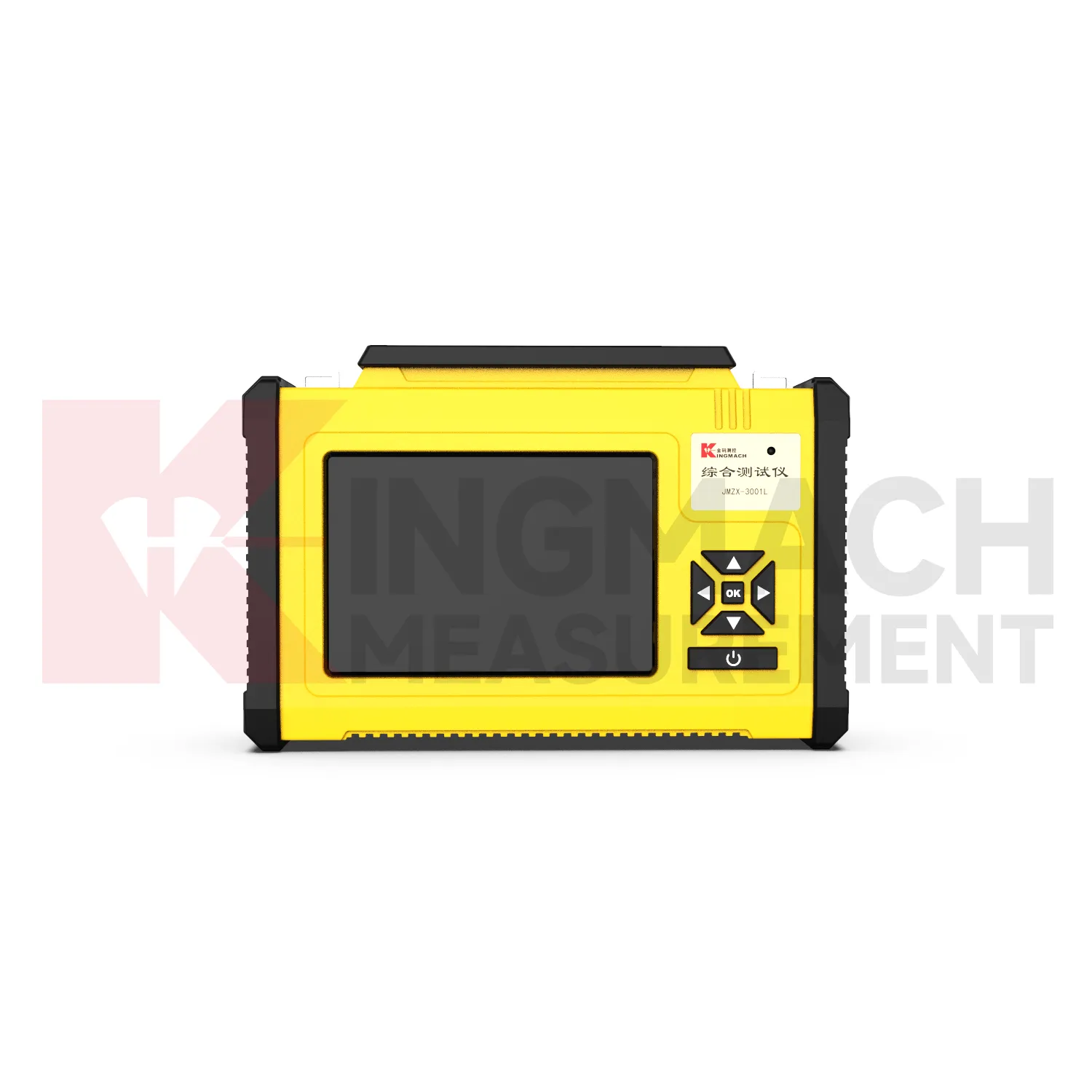
Kingmach Groundwater modeling software are often selected when a project needs both confidence in individual sensors and organized data management. A sensor may be accurate, but the record can still become difficult to use if channels are mislabeled, upload intervals are unclear, or field notes are separated from values. Acquisition devices reduce that risk when they keep the measurement process disciplined. A readout can verify the point, a logger can continue collection, and a platform connection can support later review. This is important for dams, bridges, tunnels, slopes, buildings, mines, and civil structures where safety-related interpretation depends on a reliable time history. The device also helps teams detect management problems early. Missing intervals, repeated channel names, unexpected upload gaps, or values stored under the wrong point can weaken confidence even when the sensor is healthy. A disciplined acquisition setup gives each reading a clear origin and makes later review easier for engineers, owners, and maintenance teams. That discipline turns individual sensor signals into a usable project record. In long projects, this is important because construction teams, monitoring specialists, and asset managers may all handle the same data at different times. Clear acquisition discipline keeps their work connected. across project phases. and audits.
Application of Groundwater modeling software
Temporary construction monitoring uses Kingmach Groundwater modeling software when sensor networks are installed for a limited period but still require reliable records. A foundation pit, bridge strengthening project, tunnel crossing, or demolition influence study may need readouts for commissioning and data loggers for daily acquisition. Temporary does not mean casual: point names, sensor lists, data intervals, and export methods should be defined before monitoring starts. Portable devices help crews move between points, while wireless or fixed devices help maintain continuity when the site is busy. A clean acquisition record helps contractors and owners discuss measured behavior with fewer disputes about timing or source. Temporary projects also need fast setup and clean removal. The acquisition device should make it clear which points are active, which have been removed, and which records belong to each work stage. When the project ends, exported files, baseline notes, and final readings should be saved together. This gives the owner a usable history even after temporary equipment leaves the site. It also helps project teams answer questions about what happened during a specific construction period, instead of relying on memory after the work is finished. during claims or handover review. with fewer disputes. after completion. clearly. for owners.
The future of Groundwater modeling software
Future Kingmach Groundwater modeling software will make reporting easier for mixed audiences. Field technicians, engineers, construction managers, asset owners, and maintenance teams do not use data in the same way. A technician needs point status and sensor response. An engineer needs trends and event context. An owner needs a reliable summary of asset behavior. Future acquisition systems should help organize the same record into views that fit these roles while keeping the underlying data traceable. This makes monitoring more useful across the full project life. Role-based reporting can keep technical detail available without forcing every user to read the same view. Maintenance staff may need battery and connection status, while engineers may need comparison charts and export files. Owners may need trend summaries and exceptions. A clearer reporting structure will make acquisition data easier to act on. It also reduces the need to rewrite data manually for each meeting or report. later.
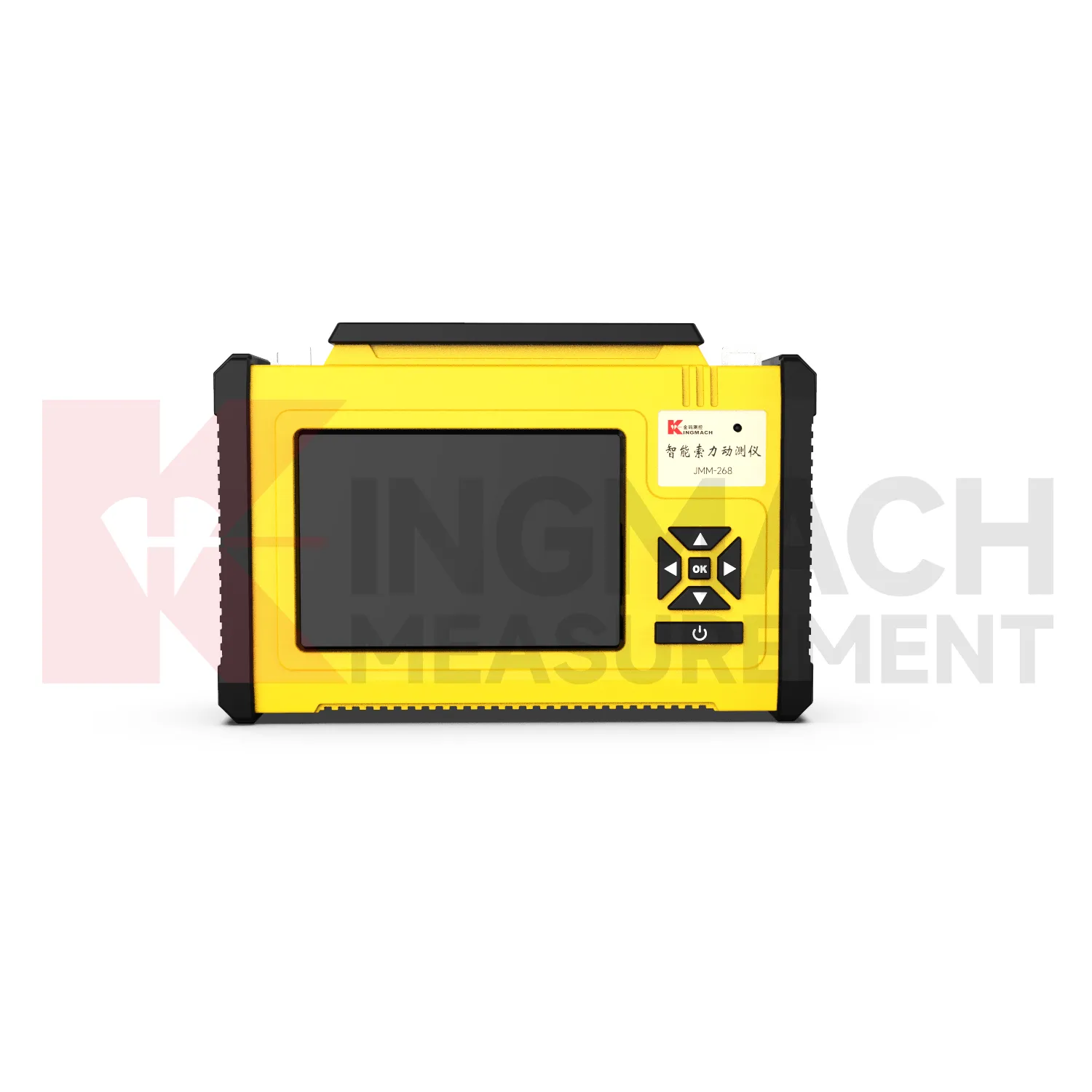
Care & Maintenance of Groundwater modeling software
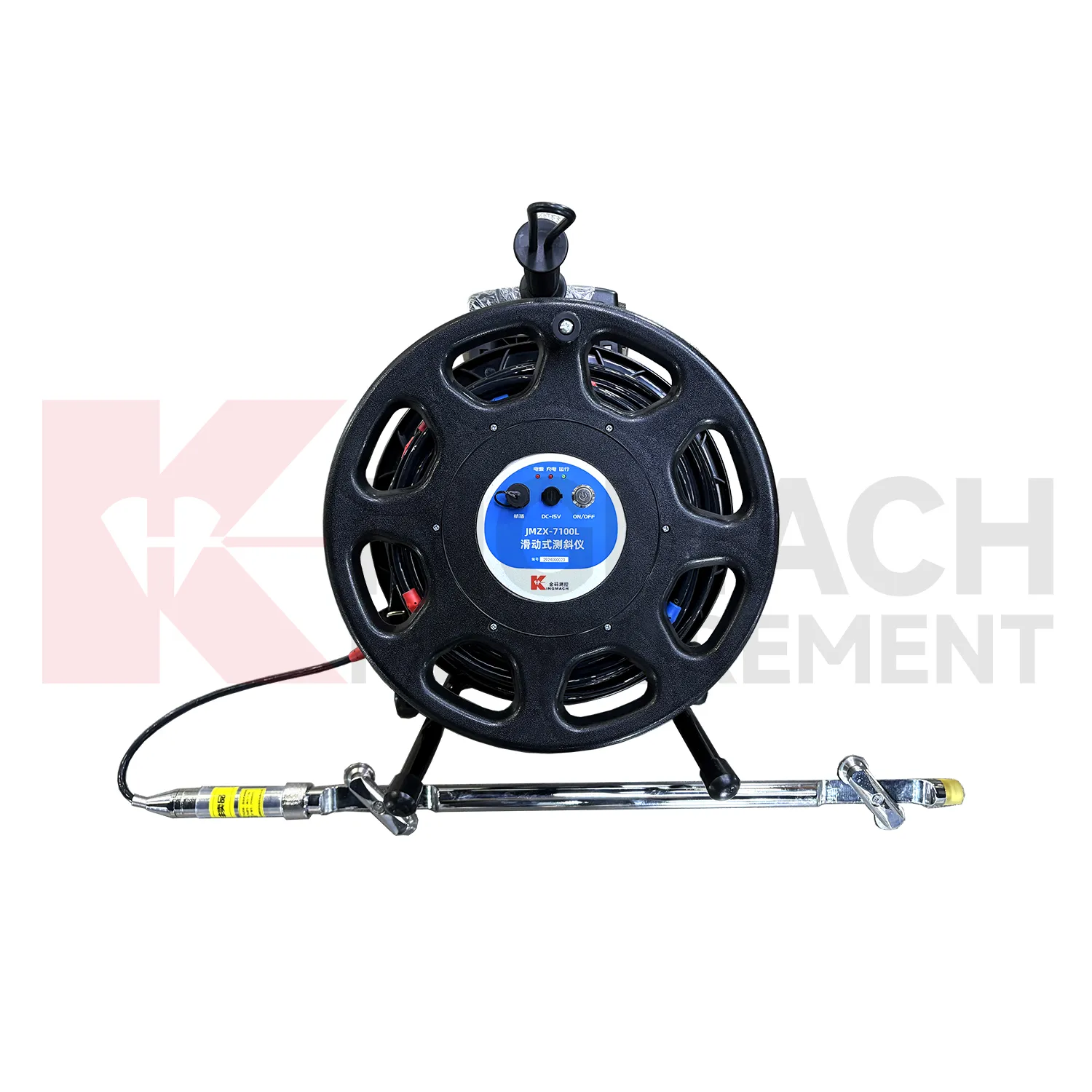
Battery and power checks are essential for Kingmach Groundwater modeling software. Portable readouts need charged batteries before inspection rounds, while remote loggers need stable supply, low-power settings, or solar charging where applicable. A weak battery can create missing readings, interrupted uploads, or unstable acquisition during the period when data is needed most. Maintenance teams should record charge status, replacement dates, power mode, and any abnormal shutdown. For unattended stations, voltage history and last upload time should be reviewed together. This helps distinguish a site event from a power-related data gap. Power maintenance should also consider seasonal access. A slope station may be difficult to reach after rain, and a dam gallery may require planned entry. If battery replacement, solar panel cleaning, or charger inspection is delayed, the risk should be visible in the station notes. Clear power history helps engineers decide whether missing data reflects device condition or real site behavior.
Kingmach Groundwater modeling software
In structural health monitoring, Kingmach Groundwater modeling software help turn distributed sensor points into organized evidence. A bridge may use strain, acceleration, temperature, displacement, and cable force records. A slope may use displacement, pore pressure, rainfall, and tilt records. A tunnel may use convergence, settlement, seepage, and vibration records. Each point has a different physical meaning, so the acquisition system must keep data organized by location and purpose. Readouts and loggers support that organization when they preserve channel identity, measurement time, sensor type, and field notes instead of leaving disconnected numbers in separate files. For remote stations, the acquisition interval, upload status, battery condition, enclosure condition, and last maintenance visit should remain visible so unattended monitoring does not become a blind record. For dynamic tests, timing accuracy, event naming, channel synchronization, and signal conditioning help the team compare motion or strain events with construction activity, traffic, wind, or machinery operation. During handover, photos, channel maps, sensor lists, communication settings, and normal baseline examples help the next team continue review without rebuilding the monitoring history from scattered files.
FAQ
Q: What affects data reliability?
A: Power condition, cable connection, enclosure protection, channel labels, sensor compatibility, time settings, storage status, and field notes all affect reliability.
Q: What should be checked after maintenance?
A: Check the affected channel, first stable reading, cable route, device setting, power status, communication status, and whether the maintenance note is attached to the record.
Q: Why keep raw records?
A: Raw records allow engineers to review the original measurement behavior before filtering, summarizing, or comparing values with other site information.
Q: How do dynamic acquisition devices help?
A: They capture short events such as vibration, train passage, impact, blasting, or machinery activity with timing and channel information needed for later review.
Q: How can data gaps be reduced?
A: Use stable power, suitable acquisition intervals, protected enclosures, clear maintenance routines, communication checks, and scheduled data review. The record stays useful when point names, channel labels, sensor type, measurement time, and field condition are kept together, because later reviewers can connect the number with the actual structure and inspection history.
Reviews
Christopher Martinez
Very satisfied with the readouts & data loggers. User-friendly interface and supports multiple sensor inputs.
Michael Anderson
The strain gauges and load cells are extremely accurate and stable. They performed very well in our bridge monitoring project. Highly recommended!
Latest Inquiries
To protect the privacy of our buyers, only public service email domains like Gmail, Yahoo, and MSN will be displayed. Additionally, only a limited portion of the inquiry content will be shown.
Mia***@gmail.comNetherlands
Dear team, we are interested in your readouts & data loggers compatible with multiple sensors. Do yo...
Isabella***@gmail.comGermany
Hello, we are evaluating weir flow meters for a water management project. Please share accuracy deta...
Related product categories
- Wallmount Automation Chassis
- Tilt Acquisition Module
- Temperature and Humidity Acquisition
- Platforms & Services
- Structural Health Monitoring (SHM) System
- Structural Monitoring Cloud Platform
- IoT Online Monitoring System
- Structural Safety Assessment
- Monitoring System Platform & Services
- Engineering Pulse Intelligent Monitoring Cloud Platform
- Fullprocess Service
- Onestop Installation Service