
 EN
EN
 ar
ar bg
bg hr
hr cs
cs da
da nl
nl fi
fi fr
fr de
de el
el hi
hi it
it ko
ko no
no pl
pl pt
pt ro
ro ru
ru es
es sv
sv tl
tl iw
iw id
id lv
lv lt
lt sr
sr sk
sk sl
sl uk
uk vi
vi et
et hu
hu th
th tr
tr fa
fa ms
ms hy
hy ka
ka ur
ur bn
bn mn
mn ta
ta kk
kk uz
uz ku
ku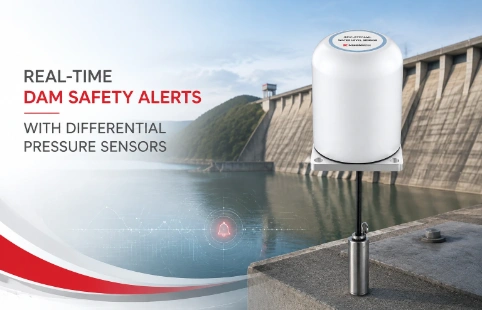
Real-Time Dam Safety Alerts with Differential Pressure Water Level Sensors
Key Takeaways An alert chain needs more than a sensor: define field in...

Wire Rope Displacement Sensor for Reliable Monitoring
In slope monitoring or deep excavation projects, tracking millimeter-scale movements over long distances can be tricky. A wire rope displacement sensor solves this by translating physical displacement into a stable electrical signal, often over spans of several meters. Kingmach, a professional geotechnical instrument manufacturer, supplies these sensors as part of a broader monitoring lineup. We focus on practical designs that hold up under field conditions, offering standard models plus customization to fit unusual measurement ranges or output requirements. Whether you’re instrumenting a dam, tunnel, or retaining wall, the right sensor choice directly affects data quality over the life of the project.
Technical Detail
Kingmach’s wire rope displacement sensors are built around a simple principle: a stainless steel cable extends and retracts against a precision potentiometric or encoder element, converting linear motion into a proportional electrical output. That straightforward design makes them suitable for a range of geotechnical and structural monitoring tasks—crack measurement, joint displacement, settlement, or convergence. Our standard lineup covers measuring spans from small (100 mm) up to several meters (3000 mm and beyond). The housing is typically anodized aluminum or stainless steel, with sealing that meets IP65 or higher, keeping out dust and water during long-term outdoor installations. Output options include voltage, current, or digital signals, so integration with common dataloggers and readout units is straightforward. As a mid-range manufacturer, Kingmach balances cost with dependable performance. We maintain an inventory of popular sensor types, and because we handle production in-house, custom modifications—like extended cable lengths, special connectors, or non-standard measuring ranges—are not a problem. Our technical team can advise on mounting accessories and cable routing to minimize measurement errors from pulley friction or misalignment. Distribution is global, with support centers that can assist in sensor selection, installation, and troubleshooting. Whether you’re building a large monitoring network or replacing legacy sensors, we aim to deliver equipment that holds up without constant recalibration.
News
Key Takeaways An alert chain needs more than a sensor: define field in...
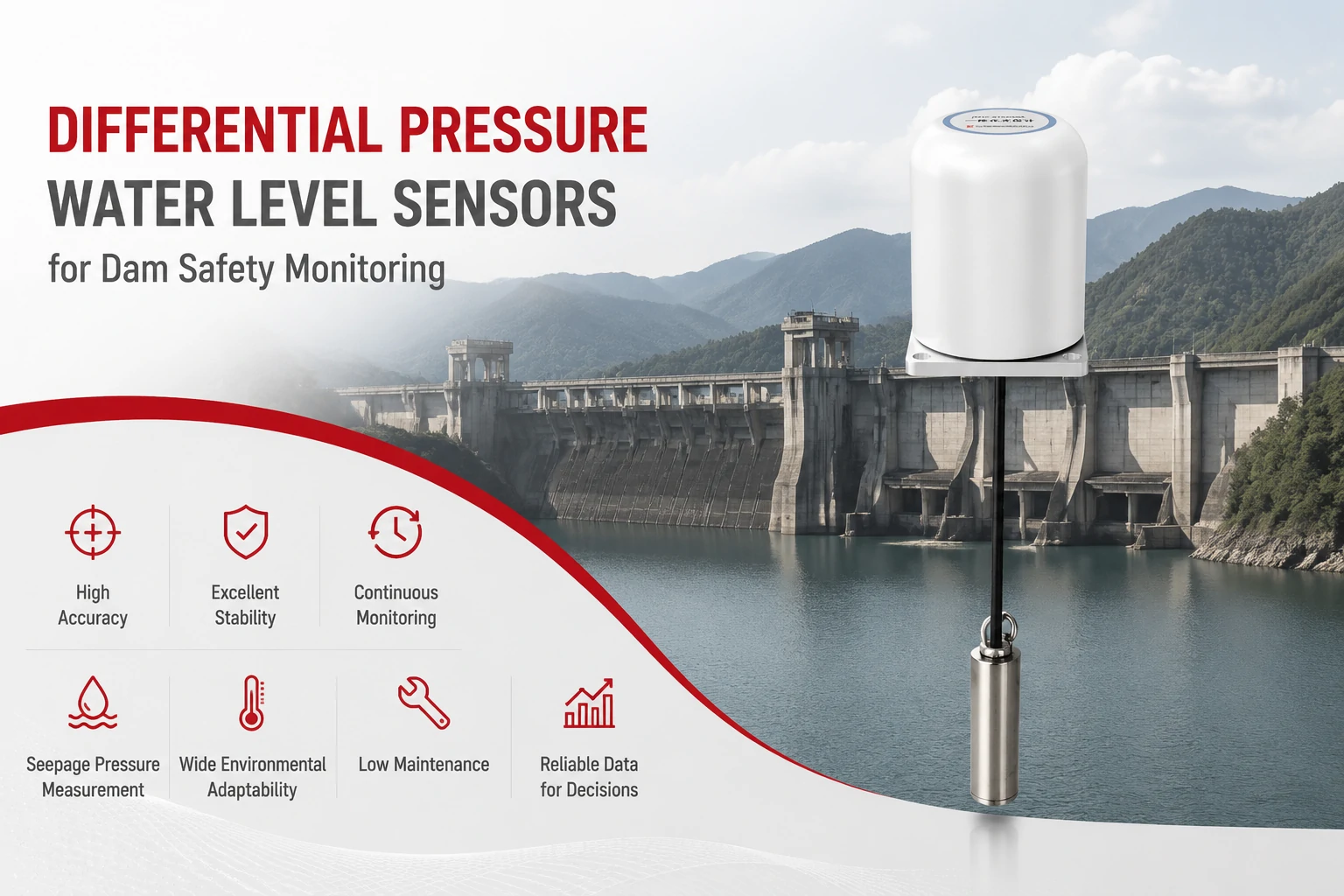
Key Takeaways The strongest fit is usually a confined, submerged, or s...
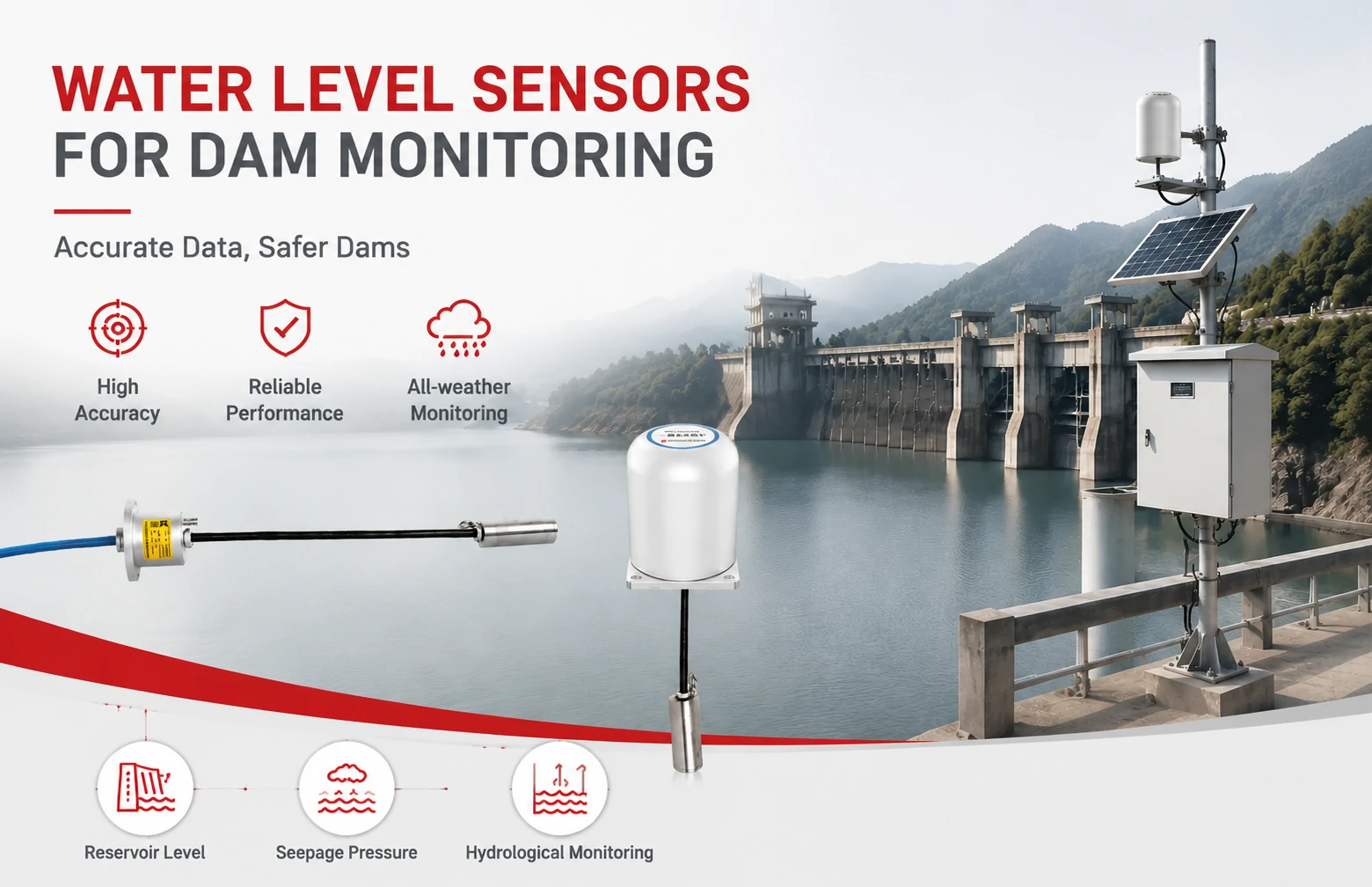
Kingmach Water Level Sensors for Dam Monitoring: A Buyer's Guide to Differential Pre...
Products
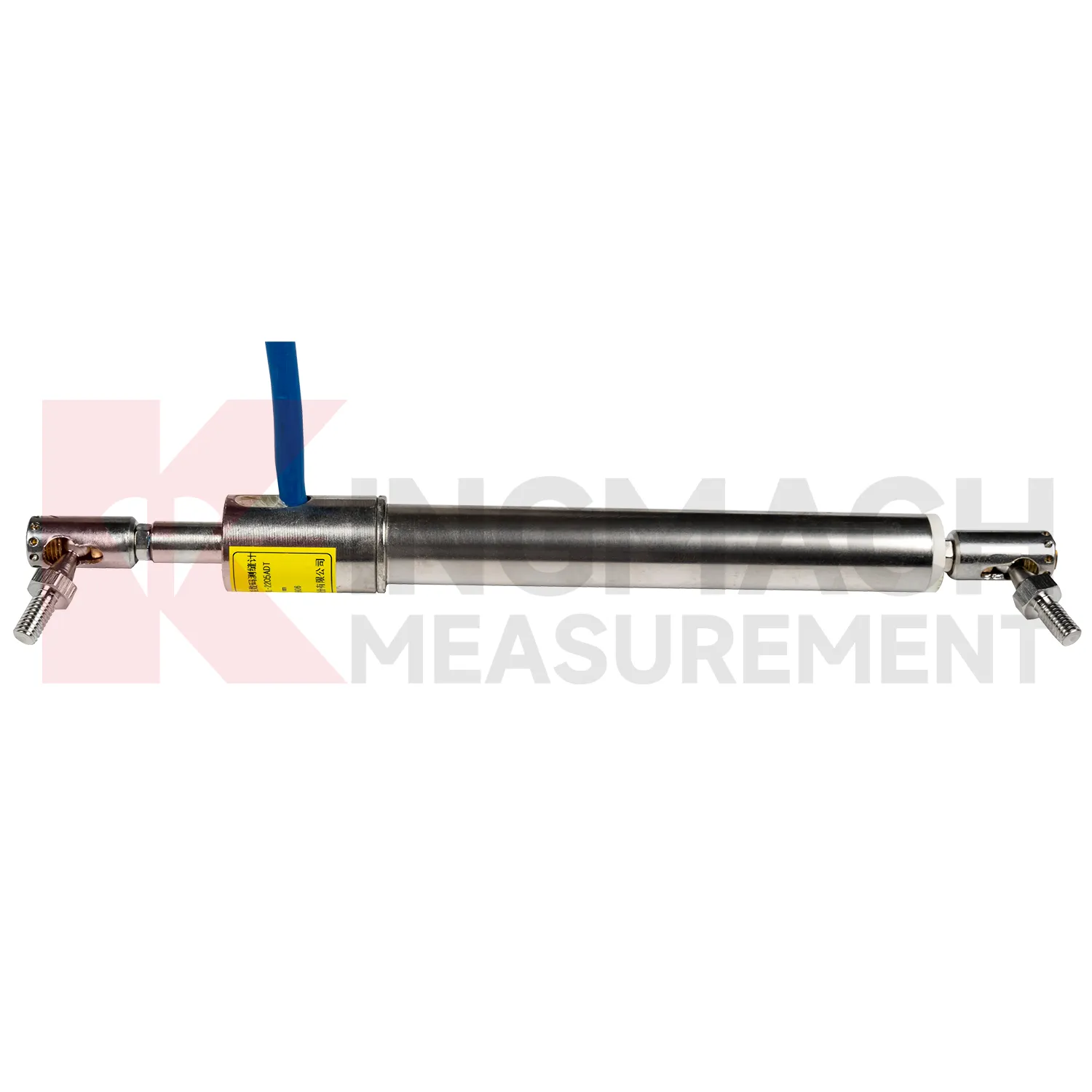
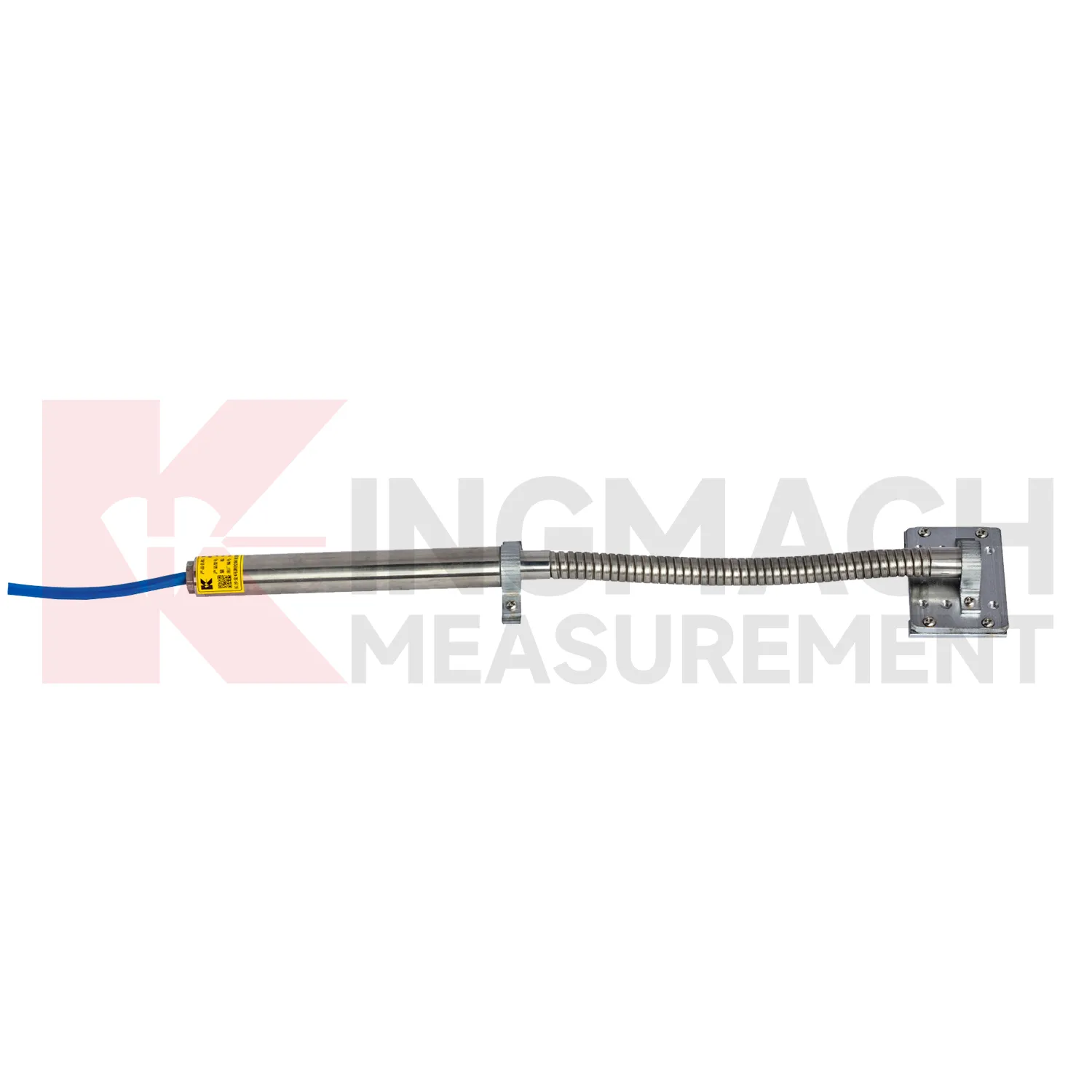
Smart Flexible Displacement Meter JMDL-24XXAT
View Details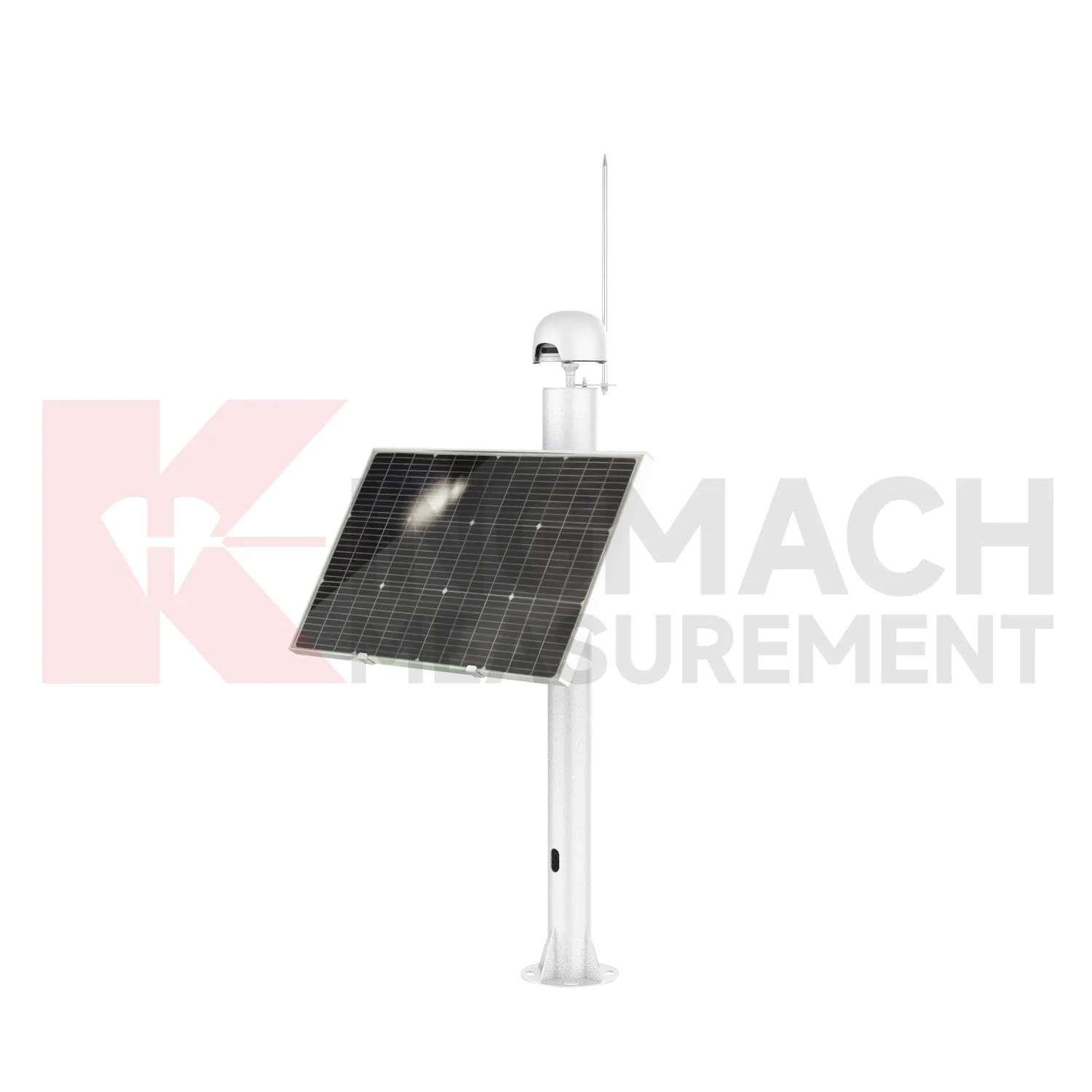
FAQ
Inside the sensor, a flexible steel cable is wound on a spring-loaded drum. As the cable extends or retracts, the drum rotation is picked up by a potentiometer or rotary encoder, producing an electrical output proportional to the linear displacement. Most units also include a return spring to keep the cable taut against the moving part.
They’re commonly used where you need to measure movement over a moderate distance—think crack opening in concrete dams, joint displacement on bridge abutments, or slope creep. The cable design handles dusty, wet, or limited-access areas better than rigid rods in many cases.
Yes, customization is a standard service. Beyond adjusting the measuring range, we can change cable material (e.g., non-conductive fiber line for high-EMI areas), output signal type, connector style, or mechanical mounting dimensions. Just get in touch with your requirements.
Our standard housing meets at least IP65, so it resists rain and dust. For submerged or highly corrosive environments, we can supply higher-rated versions. Routine maintenance is minimal—occasionally check the cable for fraying and ensure the drum area stays clean to avoid binding.
Potentiometric sensors are simpler and cost less, but they may introduce gradual signal drift over very long periods. Digital encoders give absolute position data and are generally more stable, but at a higher upfront cost. Your choice depends on required precision, cable run length to the logger, and budget. Our team can help you weigh these factors.
Share your product type, target capacity, and application requirements. Our team can review the details and recommend a practical next step.
If you are interested in our products or want to become our partner.
Please leave your contact information, our team will contact you as soon as possible.
Mail: [email protected]
Contact Us: +8613808434127
Address: No. 188 Tongzipo West Rd, Changsha, Hunan, China