
 EN
EN
 ar
ar bg
bg hr
hr cs
cs da
da nl
nl fi
fi fr
fr de
de el
el hi
hi it
it ko
ko no
no pl
pl pt
pt ro
ro ru
ru es
es sv
sv tl
tl iw
iw id
id lv
lv lt
lt sr
sr sk
sk sl
sl uk
uk vi
vi et
et hu
hu th
th tr
tr fa
fa ms
ms hy
hy ka
ka ur
ur bn
bn mn
mn ta
ta kk
kk uz
uz ku
ku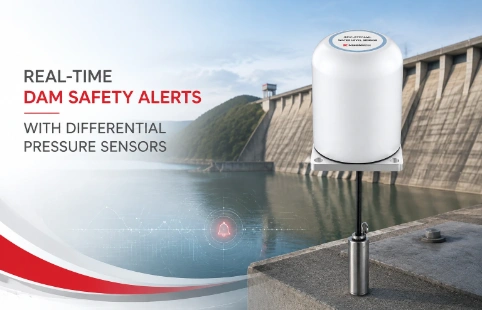
Real-Time Dam Safety Alerts with Differential Pressure Water Level Sensors
Key Takeaways An alert chain needs more than a sensor: define field in...

Crack Gauge Monitor: Reliable Crack Width Tracking
Cracks in concrete, rock, and soil open up slowly or suddenly. A crack gauge monitor keeps an eye on that movement, logging changes in width over time. At Kingmach, we build these instruments for engineers who need field-ready data without extra complexity. Our crack gauge monitors cover a wide range of opening widths, from hairline fissures in tunnel linings to wider separations in dams or retaining walls. You can order standard models from our catalog, or we can tweak the design for a specific project — different mounting brackets, longer cables, or outputs that talk directly to your existing data logger. The gauge sits across the crack, and as the gap moves, a displacement sensor feeds real-time readings to your monitoring system. This matters when you're tracking structural stability during excavation, monitoring slope movement after heavy rain, or trying to decide if a building crack is cosmetic or structural. With a global distribution network, we ship quickly, and our technical team helps with installation and commissioning if you need it. Rather than overselling precision, we focus on repeatability and long-term durability — a monitor that still gives consistent numbers years after it was bolted into place.
Technical Detail
Kingmach’s crack gauge monitors measure the relative displacement between two points, typically across a crack or joint. The sensing element can be a vibrating wire, potentiometric, or linear variable differential transformer (LVDT), depending on the precision and environmental conditions your project demands. We stock vibrating wire models for long-term, stable readings in dams and underground structures where temperature changes might skew data. Potentiometric versions offer a simpler, cost-effective option for surface monitoring on buildings or temporary works. LVDT sensors give high resolution and fast response, useful in dynamic situations like blast monitoring or structural load tests. Every crack gauge monitor comes with mounting blocks, a protective cover, and a signal cable. You specify the gauge length — it can range from 50 mm to 500 mm — and we calibrate the sensor to that range. If you’re dealing with a curved surface or need to mount the gauge in a tight corner, we can modify the brackets. Outputs are available in standard formats: 4-20 mA, RS-485, or SDI-12, so integration with your existing data acquisition system is straightforward. Typical applications include monitoring cracks in concrete dams, tunnel linings, bridge piers, and historical buildings. Geotechnical consultants also use them to track slope deformations, either on the surface or in boreholes. One installer recently told us they pair a crack gauge monitor with a datalogger to automatically send SMS alerts if a crack opens beyond a predefined threshold — reducing the need for frequent site visits. We don’t claim to reinvent the wheel, but we do focus on robust construction, reliable calibration, and making sure the data you get is consistent. With distribution partners in 30+ countries, we can deliver quickly, and our support engineers are available to walk your team through setup if questions come up.
News
Key Takeaways An alert chain needs more than a sensor: define field in...
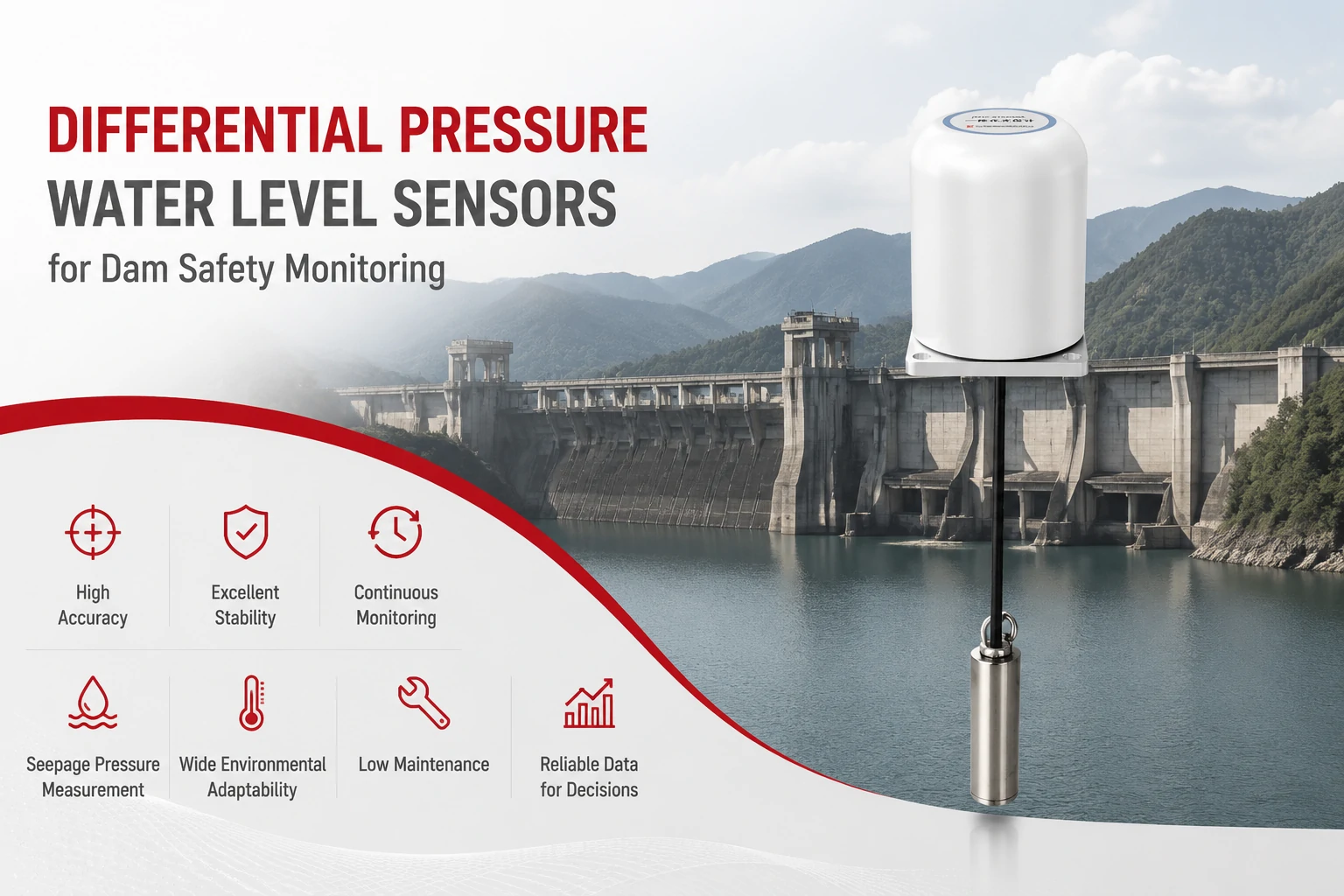
Key Takeaways The strongest fit is usually a confined, submerged, or s...
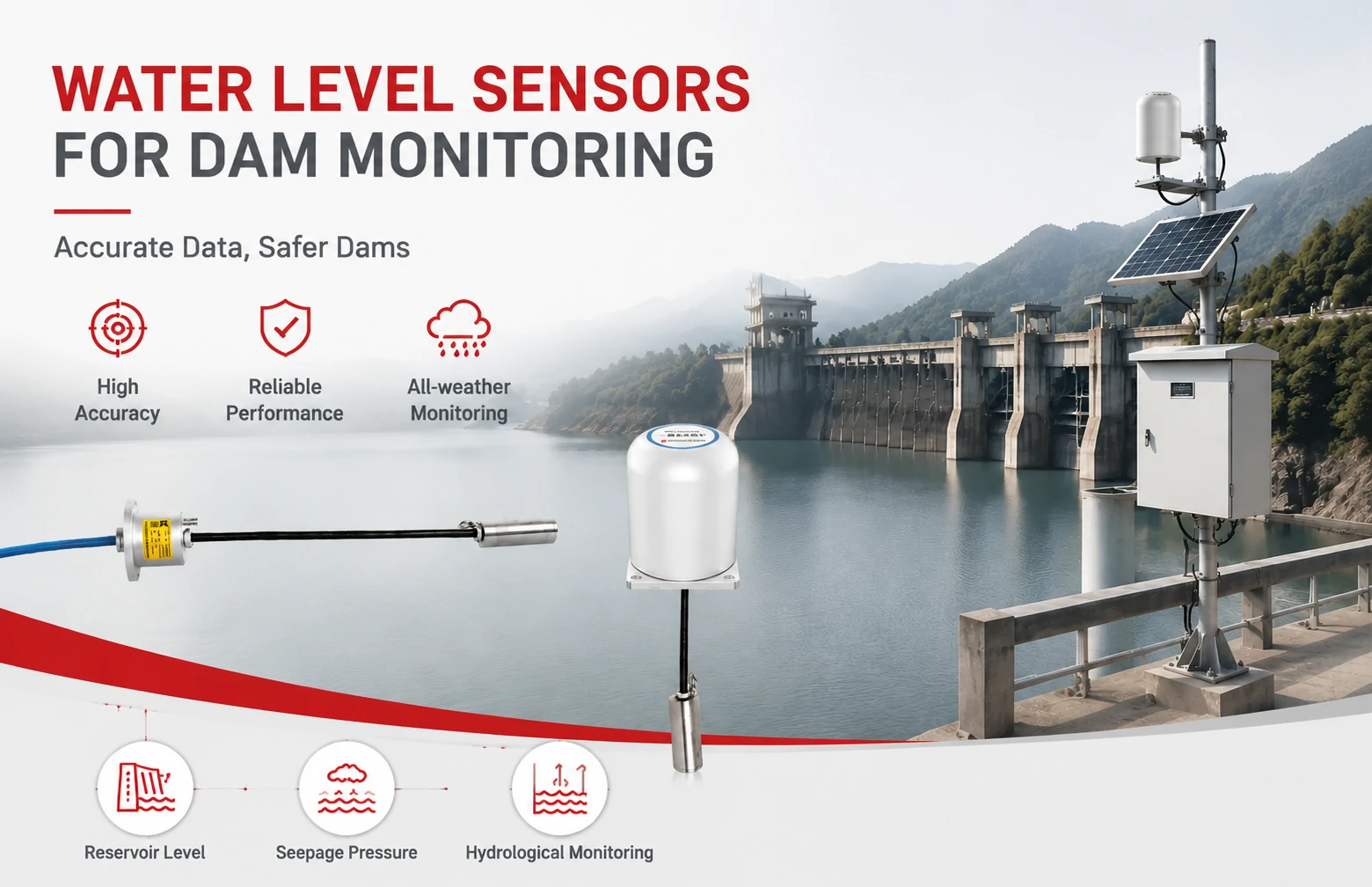
Kingmach Water Level Sensors for Dam Monitoring: A Buyer's Guide to Differential Pre...
Products
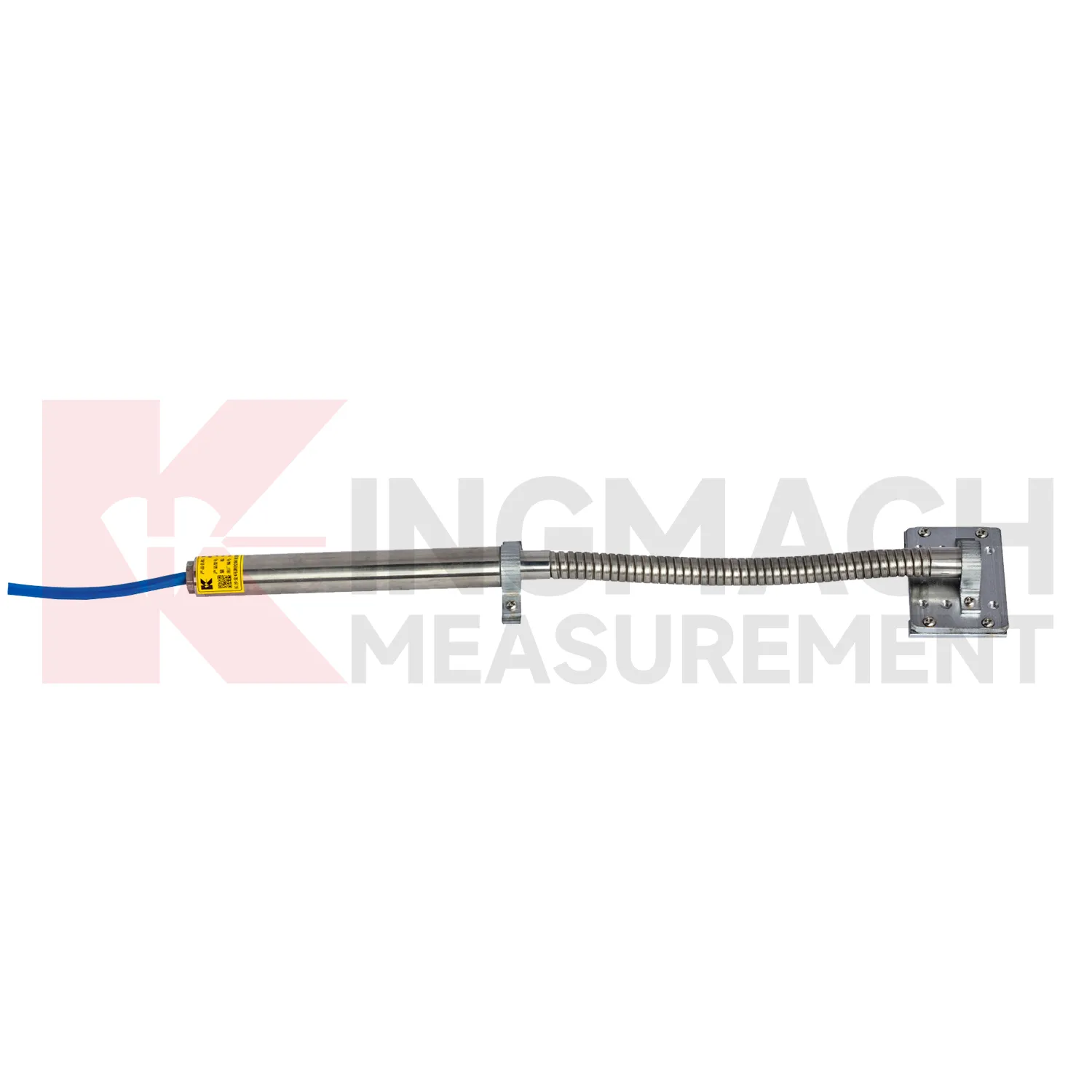
Smart Flexible Displacement Meter JMDL-24XXAT
View Details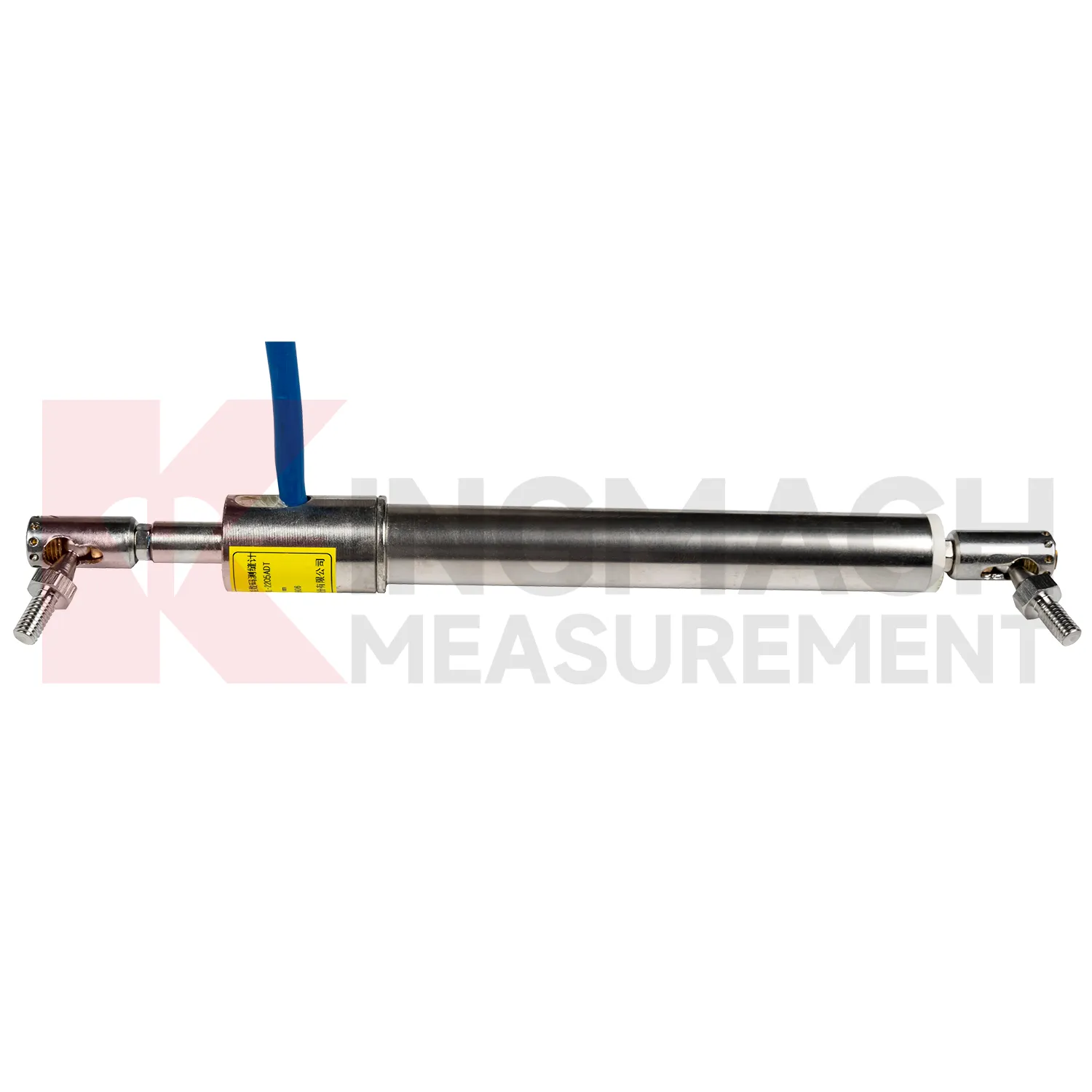
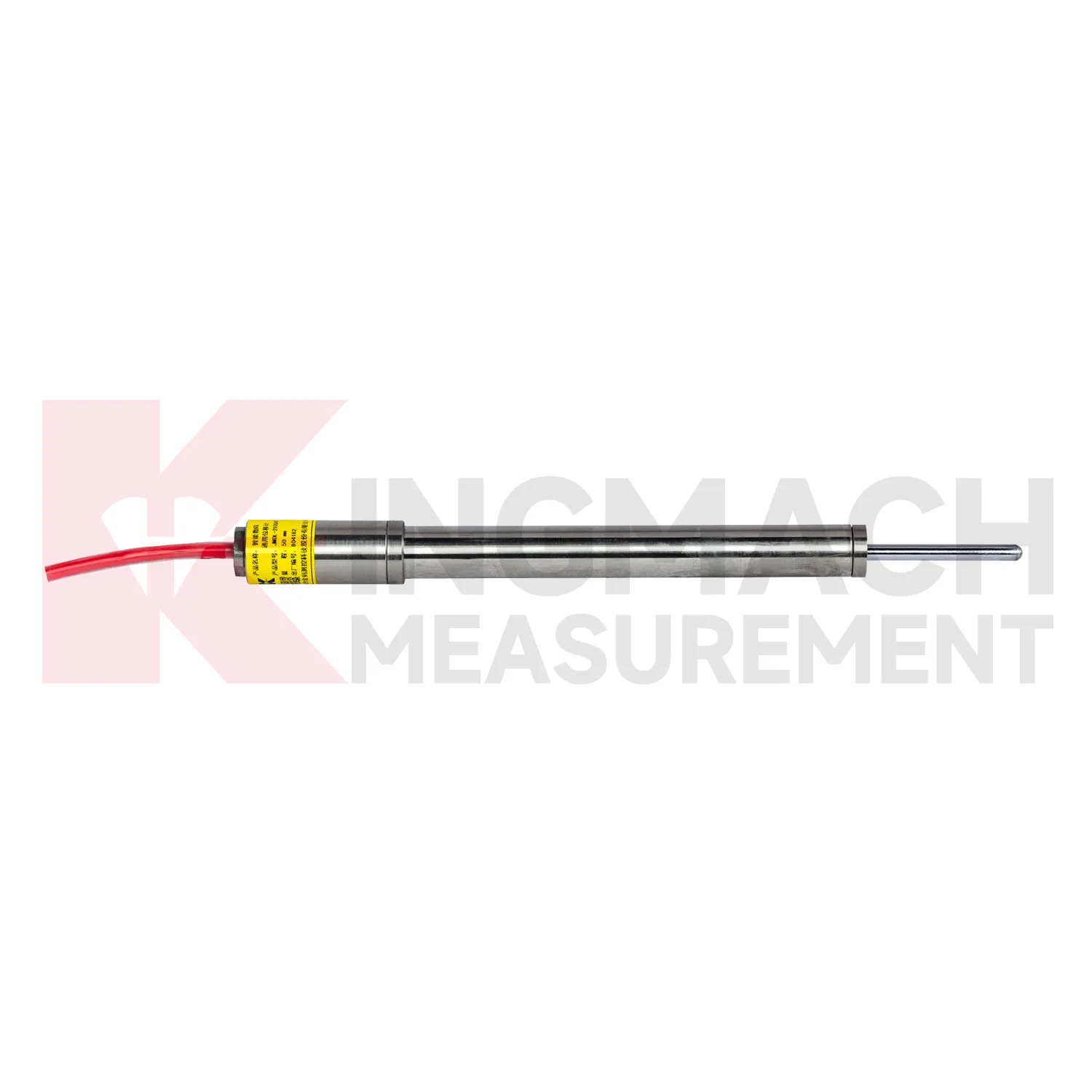
Smart General-Purpose Displacement MeterJMDL-21XXAT
View DetailsFAQ
Yes, most of our crack gauge monitors are designed to measure bidirectional movement. The sensor can detect whether the crack opens wider or closes up, giving you the full displacement history. Just confirm during ordering if you need bidirectional range, so we can set the zero point accordingly.
For our standard vibrating wire models, you can expect a resolution of about 0.025% of full scale. That means on a 100 mm gauge, it can detect movements as small as 0.025 mm. Long-term stability is better than ±0.1% of full scale per year, which is why many dam monitoring programs stick with vibrating wire.
Our crack gauge monitors come with either frequency output (for vibrating wire) or analog/digital outputs (4-20 mA, RS-485, SDI-12). You can connect them to any logger that accepts those signals. If you’re building a new monitoring system, we can recommend compatible loggers or supply our own.
We provide groutable anchors or epoxy studs for irregular surfaces. You’ll drill holes on each side of the crack, set the anchors, and bolt the mounting blocks to them. The gauge then bridges the crack. On very uneven historic masonry, we can supply custom brackets to keep the sensor properly aligned.
Absolutely. The standard cable length is 3 meters, but we can build it with up to 100 meters of cable. Just specify the length at order, and we’ll pot the connection to maintain waterproofing.
Share your product type, target capacity, and application requirements. Our team can review the details and recommend a practical next step.
If you are interested in our products or want to become our partner.
Please leave your contact information, our team will contact you as soon as possible.
Mail: [email protected]
Contact Us: +8613808434127
Address: No. 188 Tongzipo West Rd, Changsha, Hunan, China