
 EN
EN
 ar
ar bg
bg hr
hr cs
cs da
da nl
nl fi
fi fr
fr de
de el
el hi
hi it
it ko
ko no
no pl
pl pt
pt ro
ro ru
ru es
es sv
sv tl
tl iw
iw id
id lv
lv lt
lt sr
sr sk
sk sl
sl uk
uk vi
vi et
et hu
hu th
th tr
tr fa
fa ms
ms hy
hy ka
ka ur
ur bn
bn mn
mn ta
ta kk
kk uz
uz ku
ku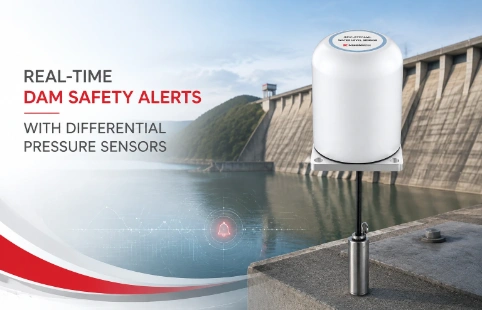
Real-Time Dam Safety Alerts with Differential Pressure Water Level Sensors
Key Takeaways An alert chain needs more than a sensor: define field in...

Draw Wire Displacement Sensor for Long-Range Monitoring
In slope monitoring, a small displacement sensor can determine how early a safety warning triggers. Kingmach’s draw wire displacement sensor is built for just these long-term field conditions. It measures linear movement by pulling a flexible steel wire from a spring-loaded drum, converting mechanical displacement into an electrical signal that data loggers or PLCs read directly. The design works without complex linkages, so installation stays quick even on tricky terrain. From our experience, one sensor that fails halfway through a season costs far more than getting the right instrument from the start. We focus on solid seals, corrosion-resistant materials, and simple mounting brackets that hold up under rain, dust, and temperature swings. Our production background in geotechnical instruments also means you can get factory-matched signal outputs and custom cable lengths without chasing multiple vendors.
Technical Detail
A draw wire displacement sensor operates by extending a high-tensile stainless steel wire wound onto a precision drum. As the wire moves, a rotary encoder or potentiometer translates the rotation into an analog voltage, current, or digital pulse. Kingmach builds these sensors with field conditions in mind: the housing is sealed against moisture and dust, and the wire exit is guided to reduce wear even with angled pulls. You can choose from standard measurement ranges up to tens of meters, with linearity typically within 0.1% of full scale, depending on the sensing element. We offer potentiometric, 4-20 mA, 0-10 V, and incremental encoder outputs to match common monitoring systems. The wire itself resists breakage under repeated cyclic loading, and the internal spring mechanism maintains constant tension so readings stay repeatable after thousands of cycles. For geotechnical applications such as landslide monitoring, crack monitoring on dams, or convergence measurements in tunnels, the sensor often mounts between fixed and moving reference points—no parallel guides needed. Structural engineers use it during load tests on bridges and beams, while industrial users apply it for stroke measurement on presses or hydraulic cylinders. Because we manufacture in-house, we can supply non-standard cable lengths, different mounting brackets, or even waterproof connectors when your site requires it. Our team handles export logistics and provides wiring diagrams and calibration sheets with each shipment, so local integration moves faster.
News
Key Takeaways An alert chain needs more than a sensor: define field in...
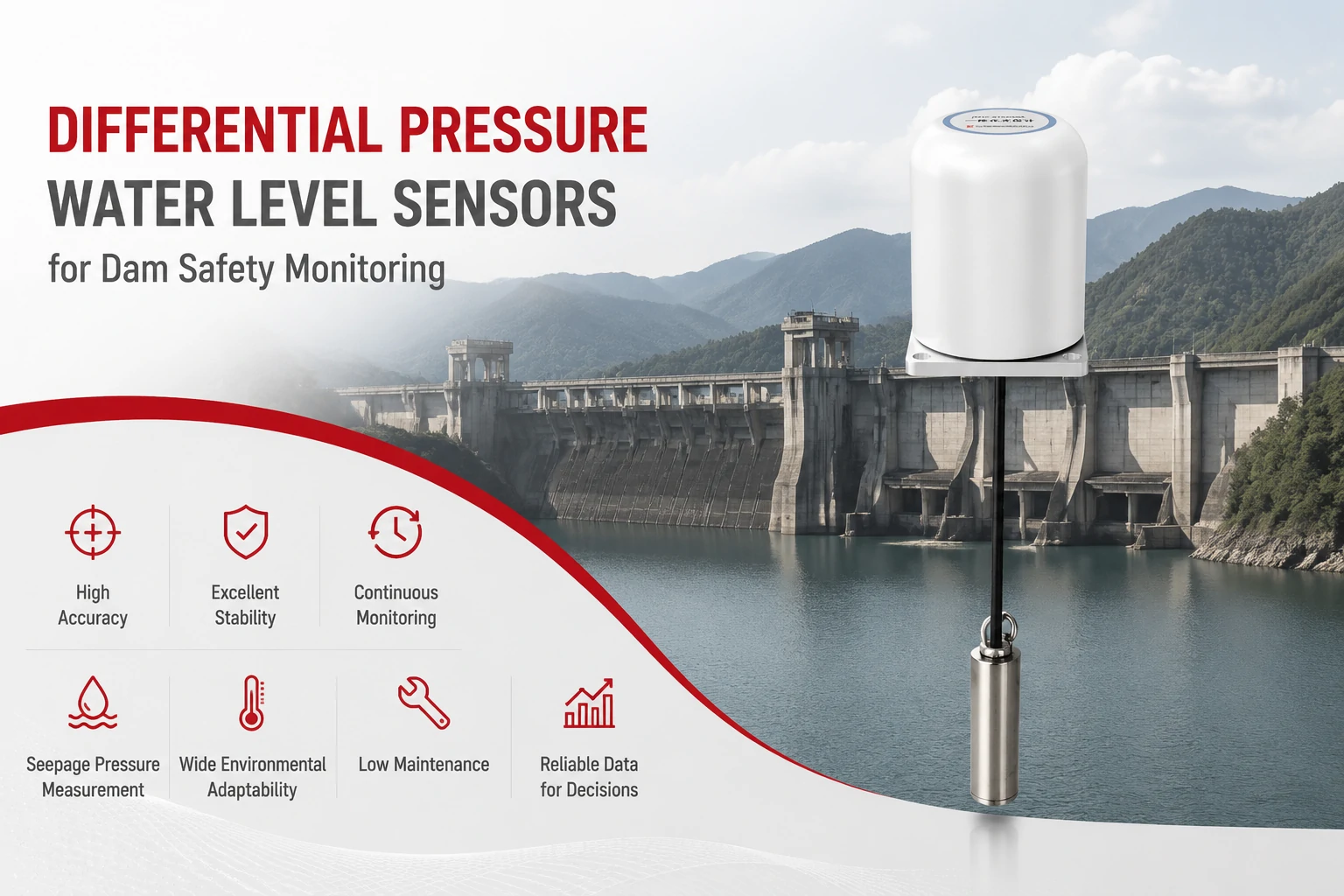
Key Takeaways The strongest fit is usually a confined, submerged, or s...
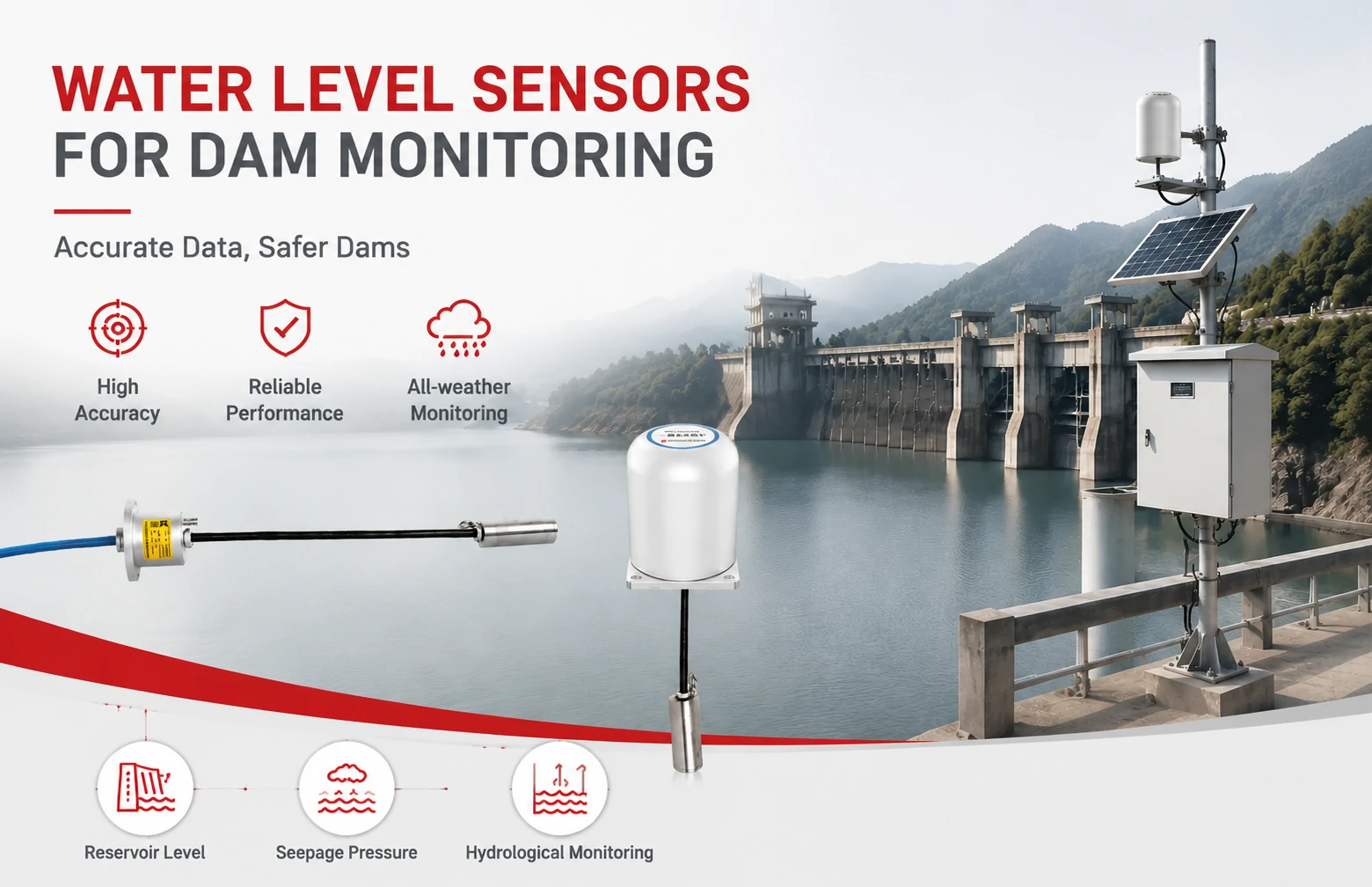
Kingmach Water Level Sensors for Dam Monitoring: A Buyer's Guide to Differential Pre...
Products
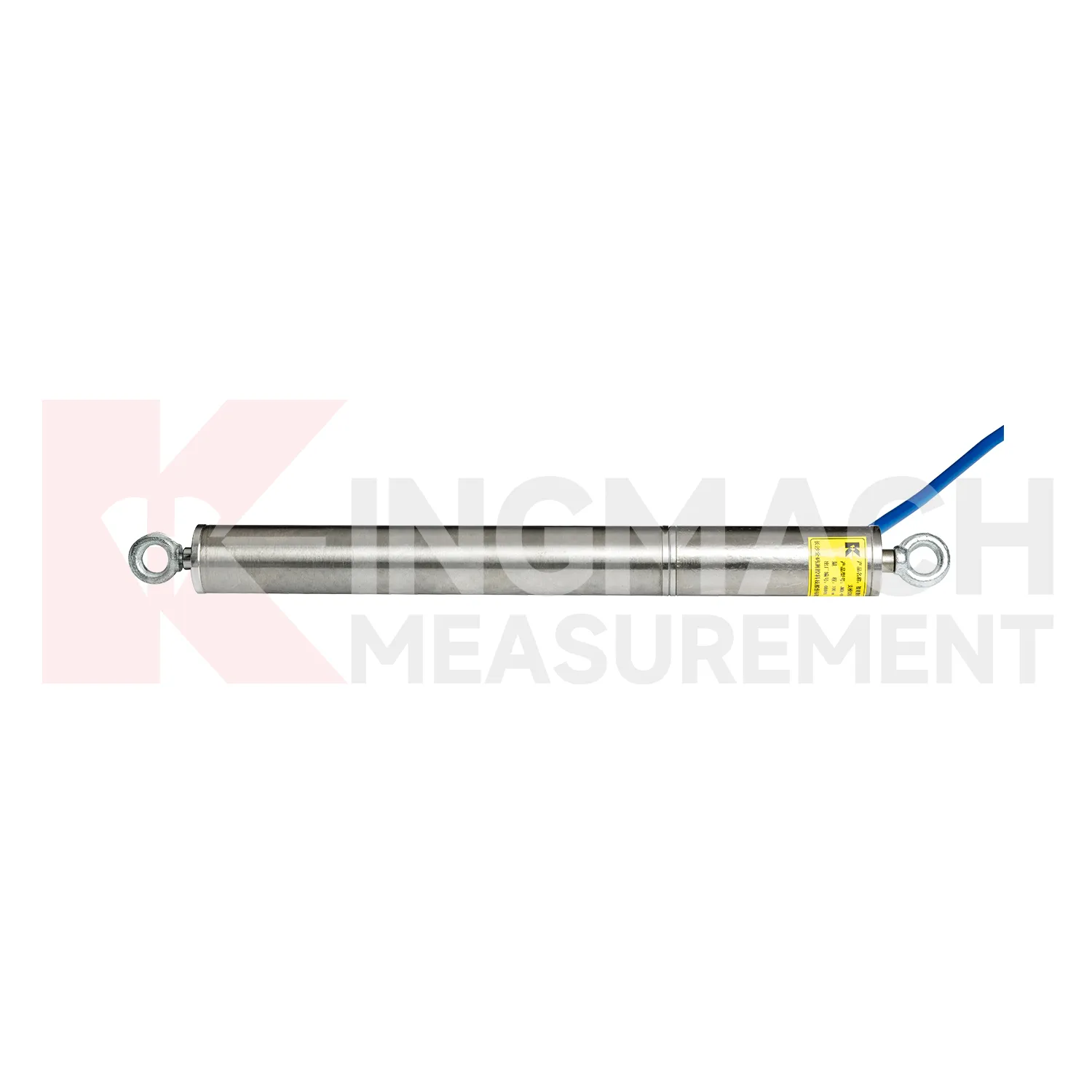
Smart Formwork Displacement Meter/ Steel Wire Displacement Meter JMDL-49XXAT
View Details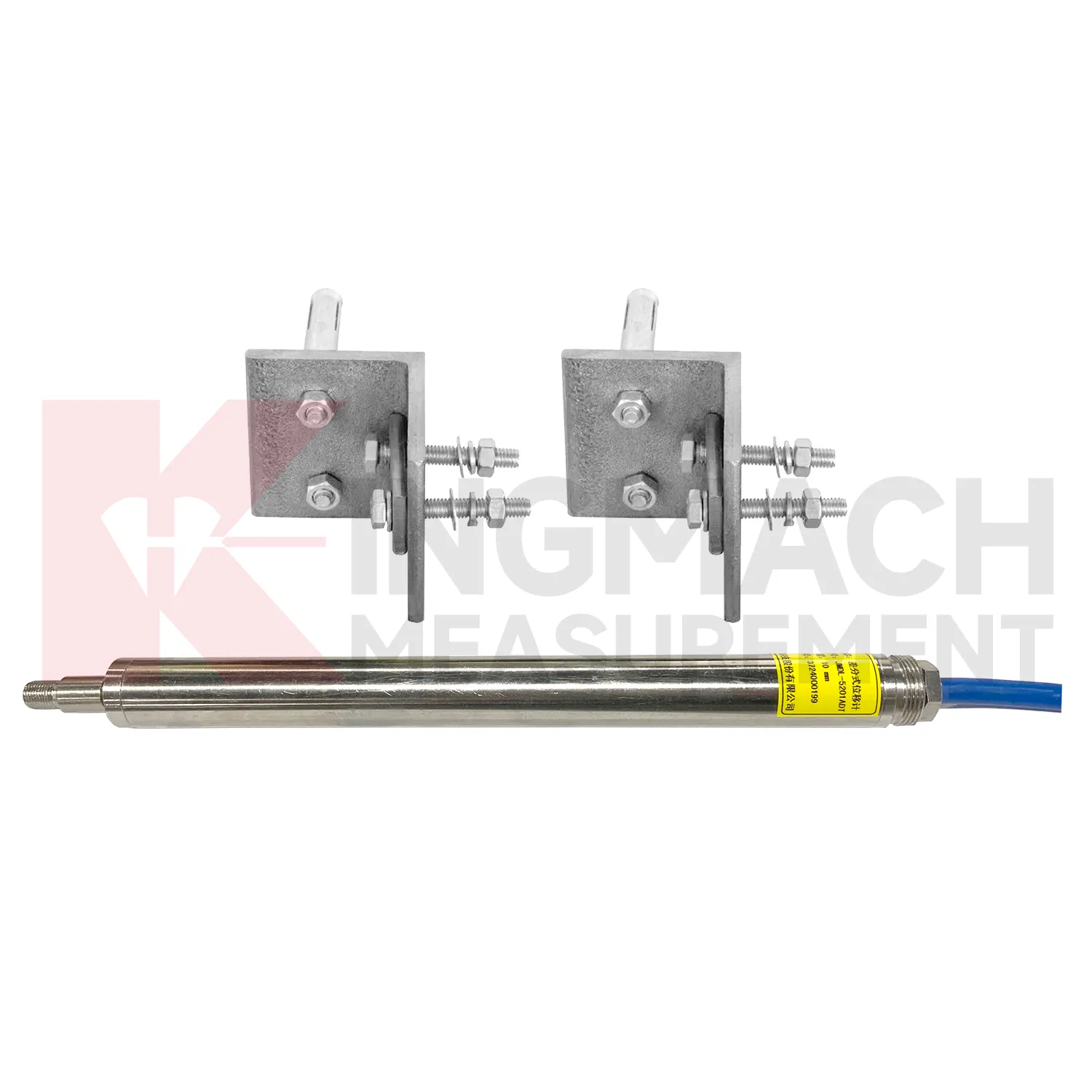
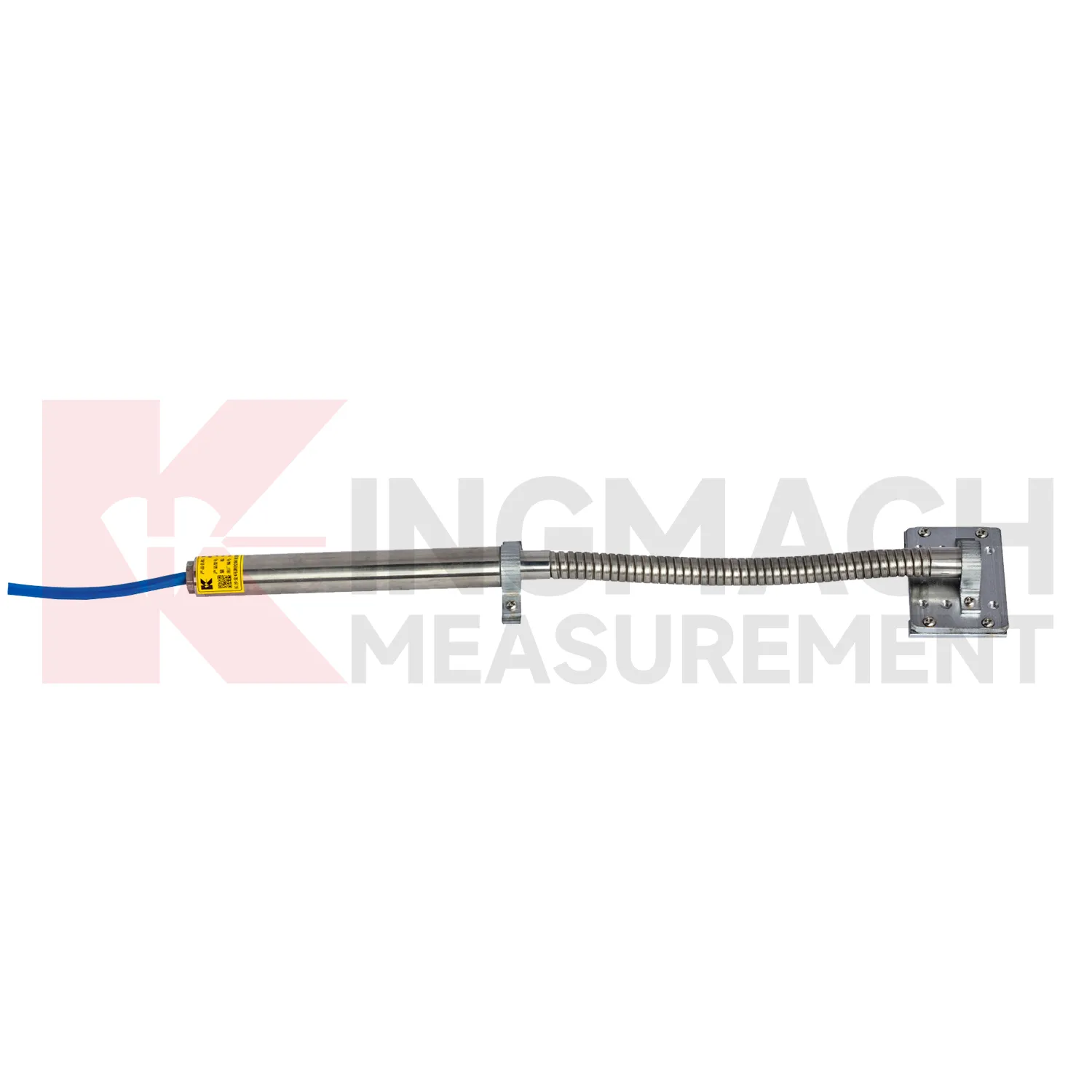
Smart Flexible Displacement Meter JMDL-24XXAT
View DetailsFAQ
Common options span from 100 mm up to 10 m or more. Kingmach stocks several standard ranges, and longer custom ranges can be built if your project needs multiple sensors with different strokes.
Yes. Our sensors use sealed aluminum or stainless steel housings and a rubber wiper at the wire exit. As long as the unit is not submerged, it handles rain, mud, and dust typical on construction and monitoring sites.
A potentiometer output gives an absolute analog position even after power cycles, which is simpler for basic monitoring. An incremental encoder is better when you need higher resolution and longer life with frequent movement, but it requires a zero-setting routine after power loss.
Fix the sensor body to one point and attach the wire end to the other. Use swivel brackets or cable guides to keep the wire pull straight; off-angle pulls can cause uneven wear. We include standard mounting brackets, and custom ones are available if space is tight.
Yes. Since we manufacture in-house, we frequently prepare sensors with specific cable lengths, alternative connectors, or long wire ranges for large structures. Just provide the details when you inquire.
Share your product type, target capacity, and application requirements. Our team can review the details and recommend a practical next step.
Related Keywords
If you are interested in our products or want to become our partner.
Please leave your contact information, our team will contact you as soon as possible.
Mail: [email protected]
Contact Us: +8613808434127
Address: No. 188 Tongzipo West Rd, Changsha, Hunan, China