
 EN
EN
 ar
ar bg
bg hr
hr cs
cs da
da nl
nl fi
fi fr
fr de
de el
el hi
hi it
it ko
ko no
no pl
pl pt
pt ro
ro ru
ru es
es sv
sv tl
tl iw
iw id
id lv
lv lt
lt sr
sr sk
sk sl
sl uk
uk vi
vi et
et hu
hu th
th tr
tr fa
fa ms
ms hy
hy ka
ka ur
ur bn
bn mn
mn ta
ta kk
kk uz
uz ku
ku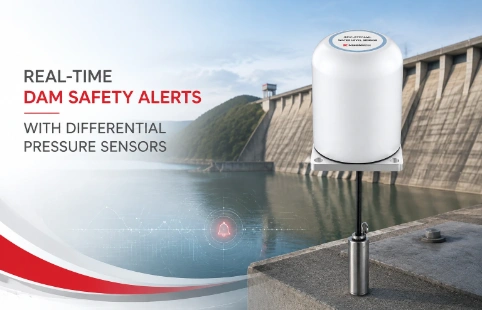
Real-Time Dam Safety Alerts with Differential Pressure Water Level Sensors
Key Takeaways An alert chain needs more than a sensor: define field in...

Precision Load Cell Force Sensors for Critical Measurement
In geotechnical monitoring, getting force data right is not just about accuracy—it's about safety. A load cell force sensor sits at the heart of this, converting tension or compression into a reliable electrical signal. Whether it's anchoring a dam or bracing an excavation, the numbers these sensors spit out determine if a design holds or needs rethinking. Kingmach has been building these instruments for years, not as a side line but as a core focus. Their range covers the spectrum from small-scale lab tests to massive foundation load checks. What sets them apart is not some marketing claim about 'cutting-edge innovation,' but a practical understanding that most sites don't need a lab-grade miracle—they need a sensor that survives rain, dust, and rough handling while still giving consistent readings. And when a project calls for a custom bolt-on pattern or an odd capacity, their engineering team tends to pick up the phone rather than hide behind a spec sheet. This down-to-earth approach lands them in the mid-tier sweet spot where performance meets budget without the premium brand markup.
Technical Detail
Kingmach Measurement & Monitoring Technology Co., Ltd. manufactures load cell force sensors with the field in mind. Their portfolio spans annular, S-beam, column, and spoke-type cells, covering forces from a few hundred newtons to thousands of kilonewtons. Construction is typically alloy steel with heavy-duty sealing—ingress protection ratings go up to IP68 on selected models—so incidental immersion or dust-laden air doesn't knock them offline. Excitation and output options are kept straightforward: mV/V analog signals with optional 4-20 mA or RS485 converters bolt on if needed. Temperature compensation is built in, and the sweet spot for most geotechnical work hovers around ±0.05% FS accuracy after proper calibration. Customizations are not treated as one-off favors; the factory routinely adapts mounting flanges, cable lengths, and even diaphragm materials for corrosive soil environments. Distribution channels span Asia, the Middle East, and parts of Europe, backed by regional technical contacts who can walk a site engineer through setup over a video call. The warranty is the standard two years, but field service and recalibration are offered through local partners to keep post-installation downtime minimal. In practice, this means a project in Dubai or Jakarta can get the same sensor and similar support without flying an engineer across the ocean.
News
Key Takeaways An alert chain needs more than a sensor: define field in...
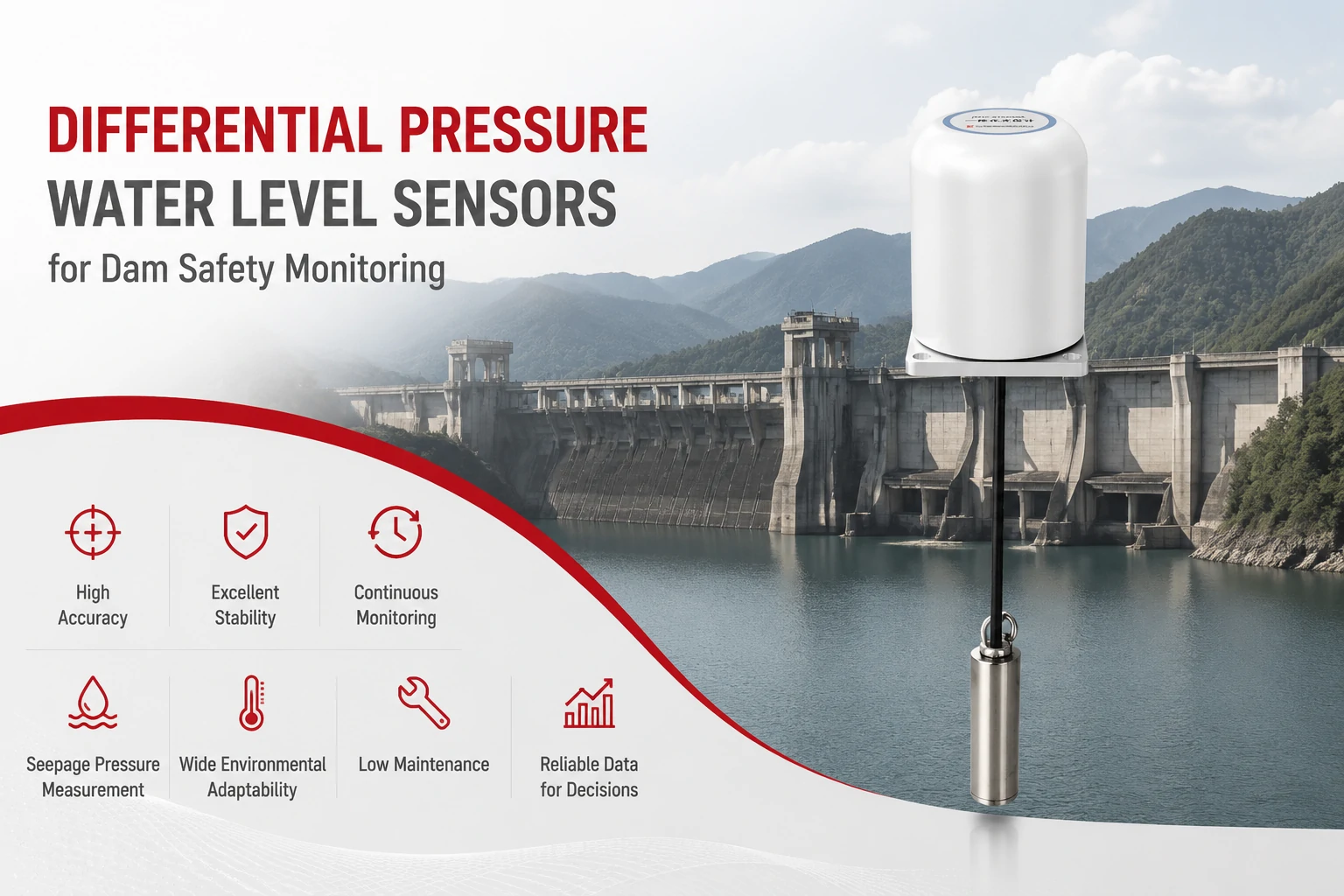
Key Takeaways The strongest fit is usually a confined, submerged, or s...
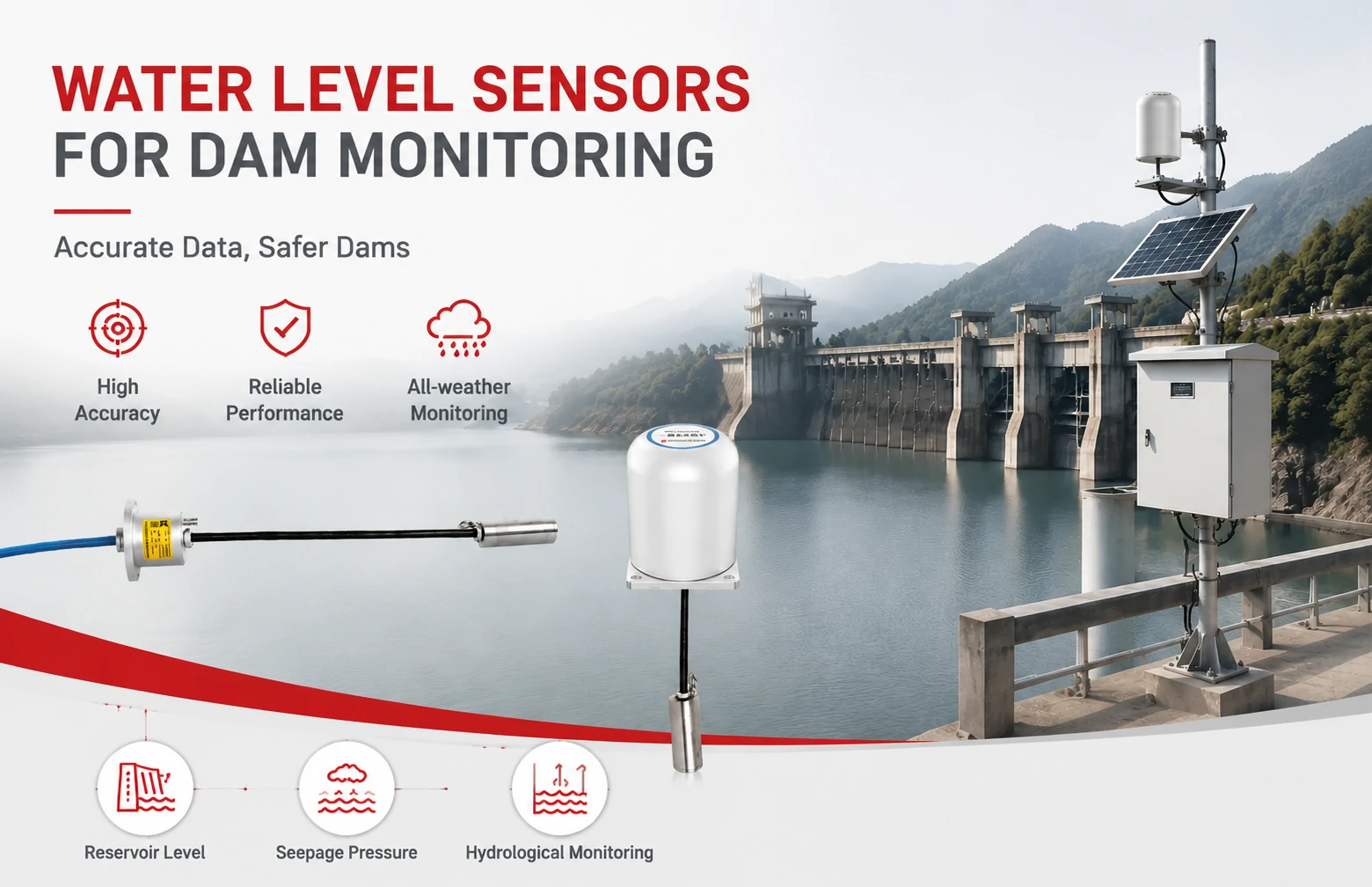
Kingmach Water Level Sensors for Dam Monitoring: A Buyer's Guide to Differential Pre...
Products
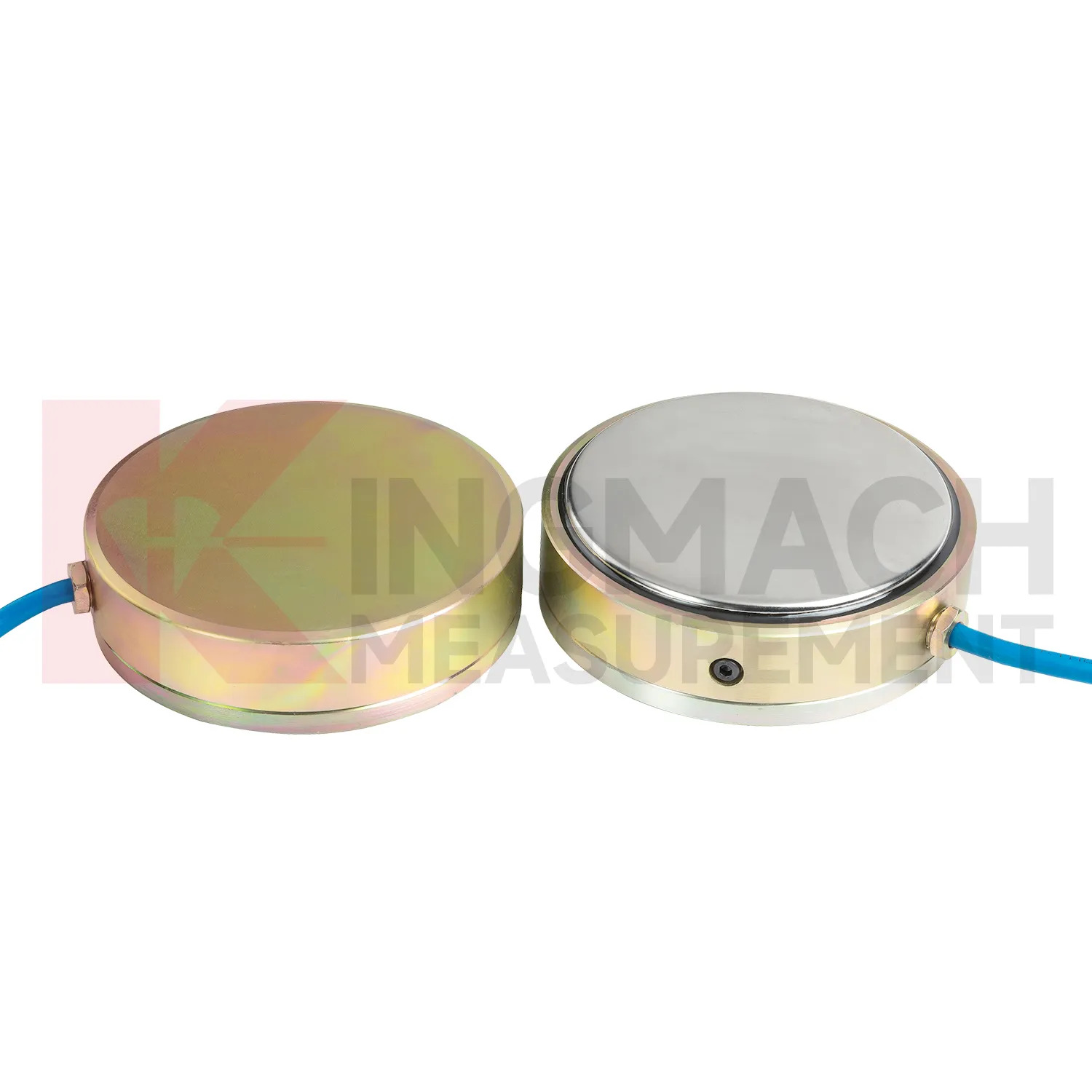
Earth Pressure Cell ( VW & Smart Type) JMZX-50XXAT/ ATM
View Details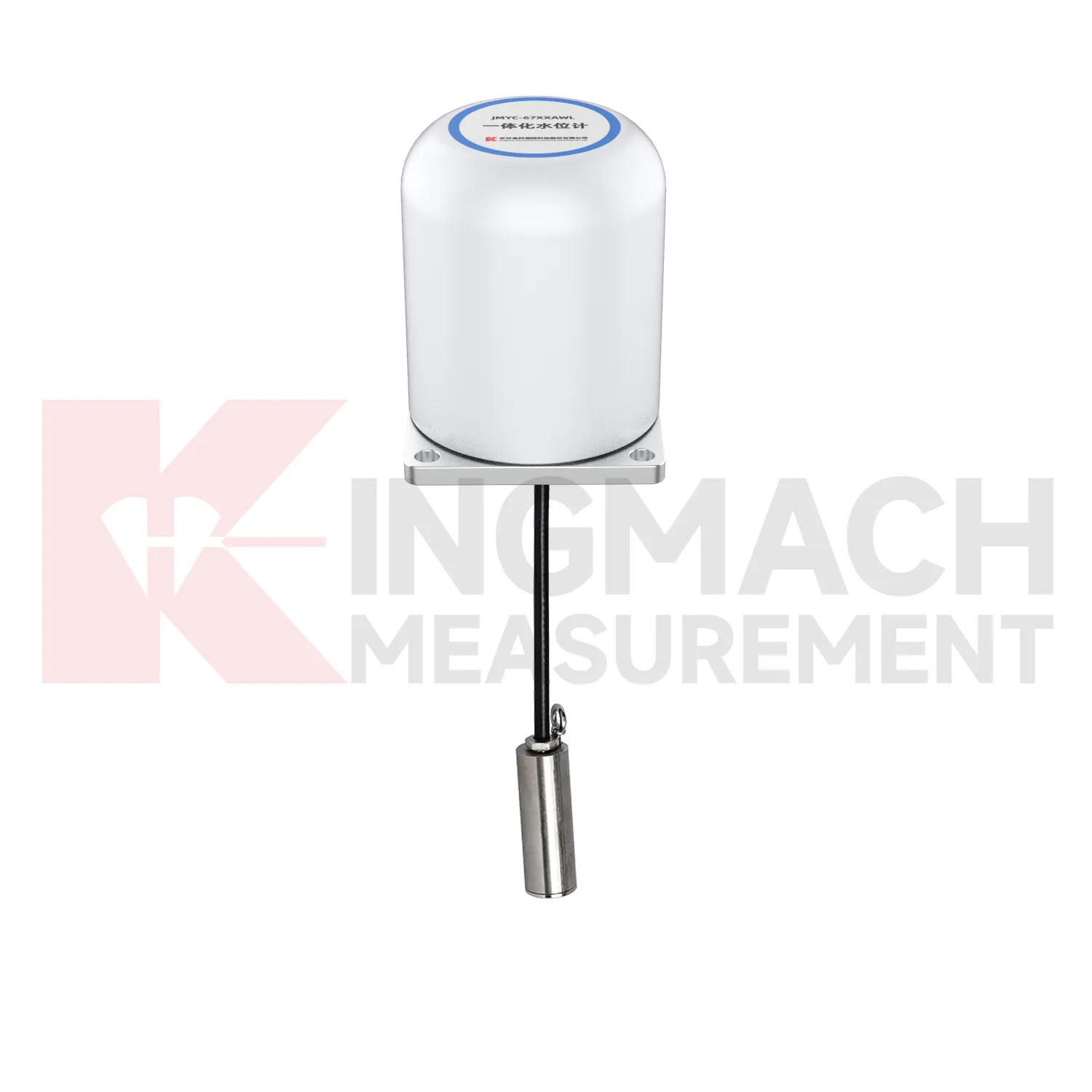
Integrated Wide-Range Differential Pressure Water Level Meter JMYC-67XXAWL
View Details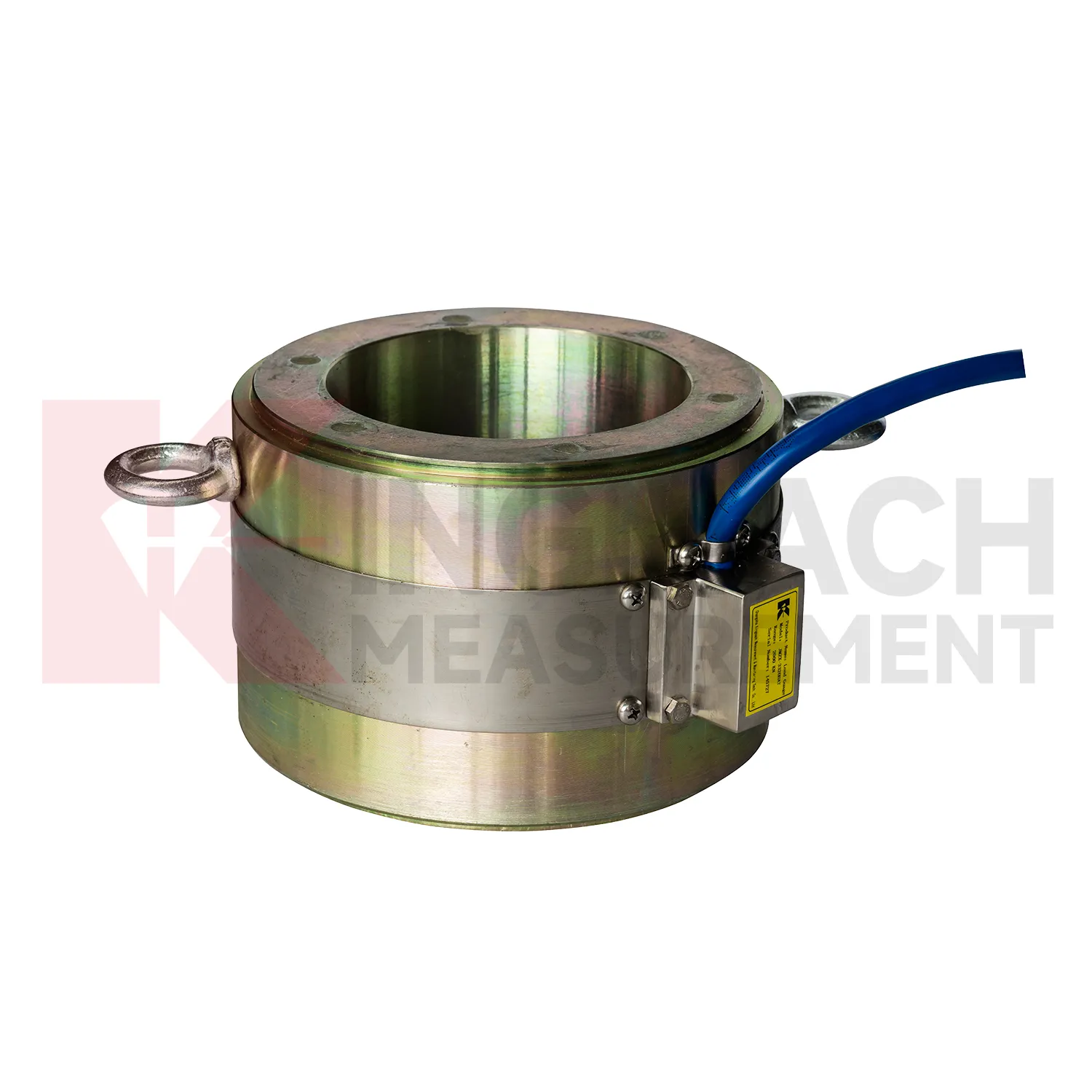
FAQ
The range really depends on what you're measuring. For tie-back anchors, you might see 250 kN cells; for pile load tests, it can go to 5,000 kN or more. Kingmach stocks a standard band from 10 kN up to 3,000 kN, and special orders can extend further. Sizing is often done with a 1.5 to 2 times safety factor over the expected load.
By default, most models output an analog millivolt signal that needs an external readout or datalogger. If you need digital output like RS485 or 4-20 mA, we supply inline amplifier modules or digitiser packs that hook up within a few meters of the sensor. This keeps the sensor simple and the electronics accessible for field replacement.
In a perfect world, you would remove the cell and send it to a calibration lab each year. Since that's rarely practical on a construction site, many users do a field shunt calibration check using a known resistor to verify the system response. Kingmach provides the shunt cal values in the test certificate, and our support team can guide you through the process if you have a compatible readout.
Standard configurations are usually ready to ship within 2 weeks. Custom units with modified dimensions or special range requirements typically take 4 to 6 weeks, depending on the complexity. We don't quote instant-factory times—better to under-promise and hit the date than rush and miss a calibration step.
Yes, provided you pick the right sealing. Our IP67 and IP68 rated cells use a combination of O-rings, welded diaphragms, and potted cable entry. We've had units operating for over 5 years on remote slope monitoring stations in tropical conditions. The cable is the weakest link usually, so proper cable routing and protection from UV and rodents is just as important as the sensor rating itself.
Share your product type, target capacity, and application requirements. Our team can review the details and recommend a practical next step.
If you are interested in our products or want to become our partner.
Please leave your contact information, our team will contact you as soon as possible.
Mail: [email protected]
Contact Us: +8613808434127
Address: No. 188 Tongzipo West Rd, Changsha, Hunan, China