
 EN
EN
 ar
ar bg
bg hr
hr cs
cs da
da nl
nl fi
fi fr
fr de
de el
el hi
hi it
it ko
ko no
no pl
pl pt
pt ro
ro ru
ru es
es sv
sv tl
tl iw
iw id
id lv
lv lt
lt sr
sr sk
sk sl
sl uk
uk vi
vi et
et hu
hu th
th tr
tr fa
fa ms
ms hy
hy ka
ka ur
ur bn
bn mn
mn ta
ta kk
kk uz
uz ku
ku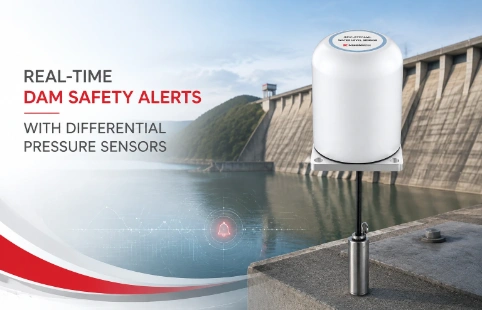
Real-Time Dam Safety Alerts with Differential Pressure Water Level Sensors
Key Takeaways An alert chain needs more than a sensor: define field in...

Magnetic Displacement Transducers That Handle Real Environments
Not all magnetic displacement transducer designs hold up when buried in a slope or bolted to a bridge joint. Kingmach builds these sensors for long-term geotechnical monitoring, where water, dust, and shifting ground are part of the job. The magnetostrictive principle gives you absolute position output without the wear that comes with contact-based sensors. We see many projects where engineers swap out failing pots or LVDTs for our transducers because the sealed construction and flexible mounting simply work better over years of exposure. Whether you need a 50-mm stroke for a crack meter or a multi-meter range for a settlement gauge, the transducer can be built to length and integrated into your existing data logger. That kind of adaptability means fewer headaches when field conditions don’t match the original spec.
Technical Detail
The sensing element inside each unit is a waveguide encased in a stainless steel or aluminum housing. A moving magnet marks the measurement point, and a current pulse interacts with that magnet to generate a torsional strain wave. The time between the pulse and the returning signal gives you the distance—an inherently stable method that doesn’t drift over time. Output options cover the usual industrial standards: 4–20 mA for simple loop-powered setups, 0–10 V where voltage input is preferred, and digital interfaces like SSI or start/stop when you need high-speed data. Resolution and repeatability are tight enough for most structural monitoring tasks, but the real advantage is that the sensor keeps working after months of vibration, temperature swings, and moisture ingress that would kill lesser designs. As a geotechnical instrument manufacturer, Kingmach pays attention to the mounting details that make or break a field installation. Rod-end bearings, spherical swivels, and adjustable clamps are common companions to the transducer body, letting you align the sensor even when anchor points aren’t perfectly coaxial. Custom cable lengths, pushrod extensions, and protective boots are simple additions we handle routinely. When the transducer ends up in a remote monitoring station, the low power draw matters too—many units can be powered from the same solar-charged battery that runs the rest of the system. If the standard catalog doesn’t fit, we’ll adjust the measurement range, output, or connector pinout to match what you already have in the field.
News
Key Takeaways An alert chain needs more than a sensor: define field in...
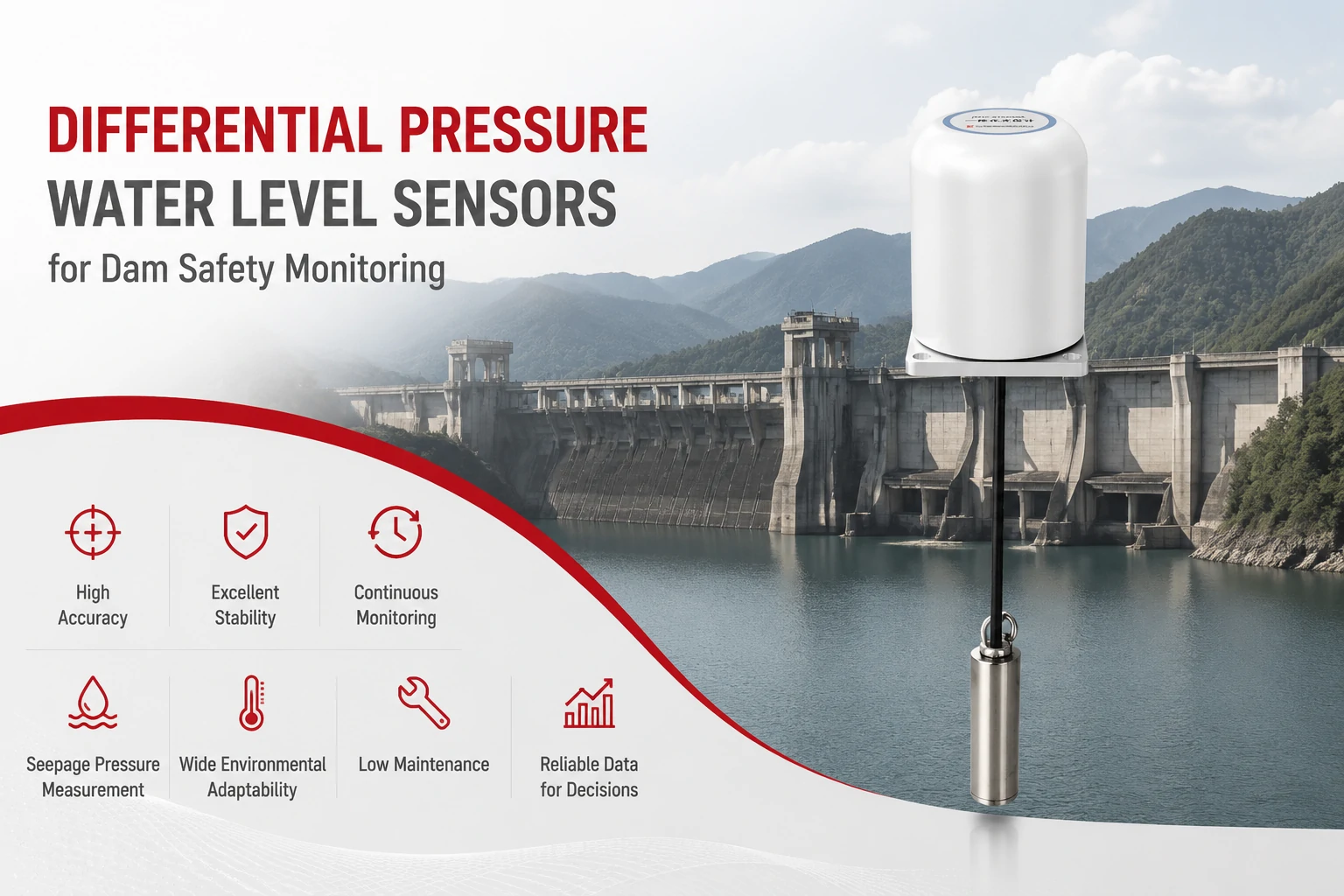
Key Takeaways The strongest fit is usually a confined, submerged, or s...
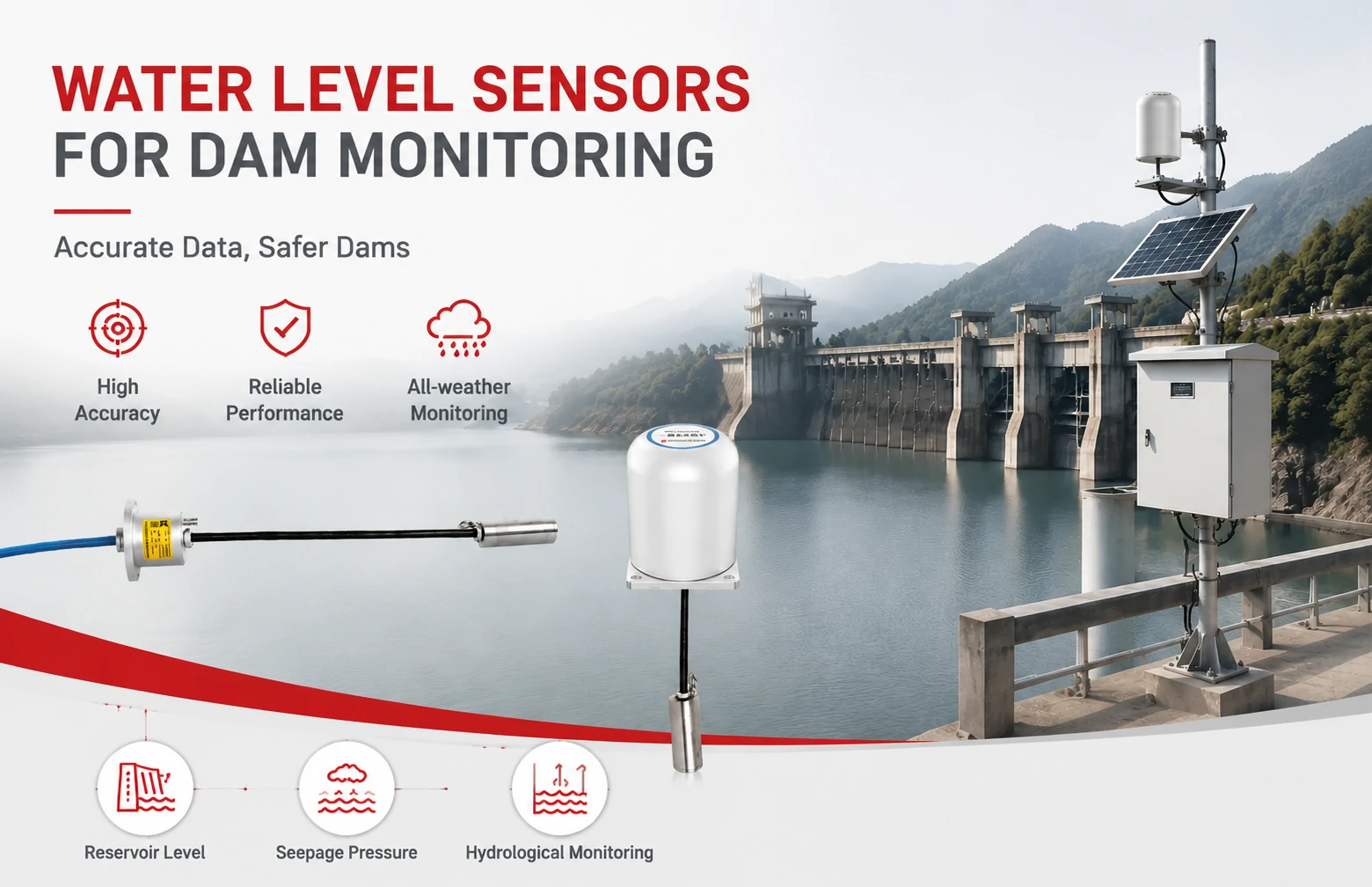
Kingmach Water Level Sensors for Dam Monitoring: A Buyer's Guide to Differential Pre...
Products
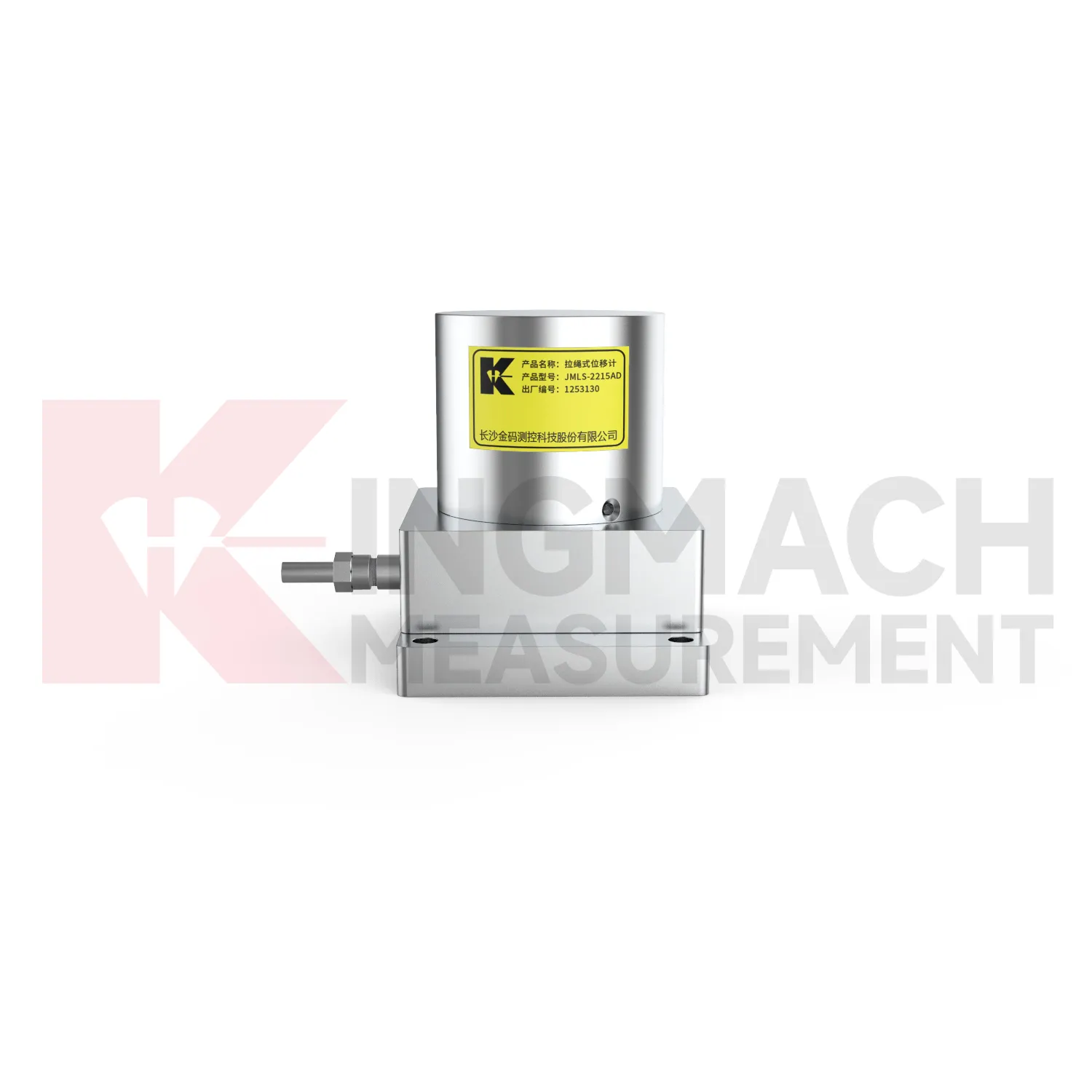
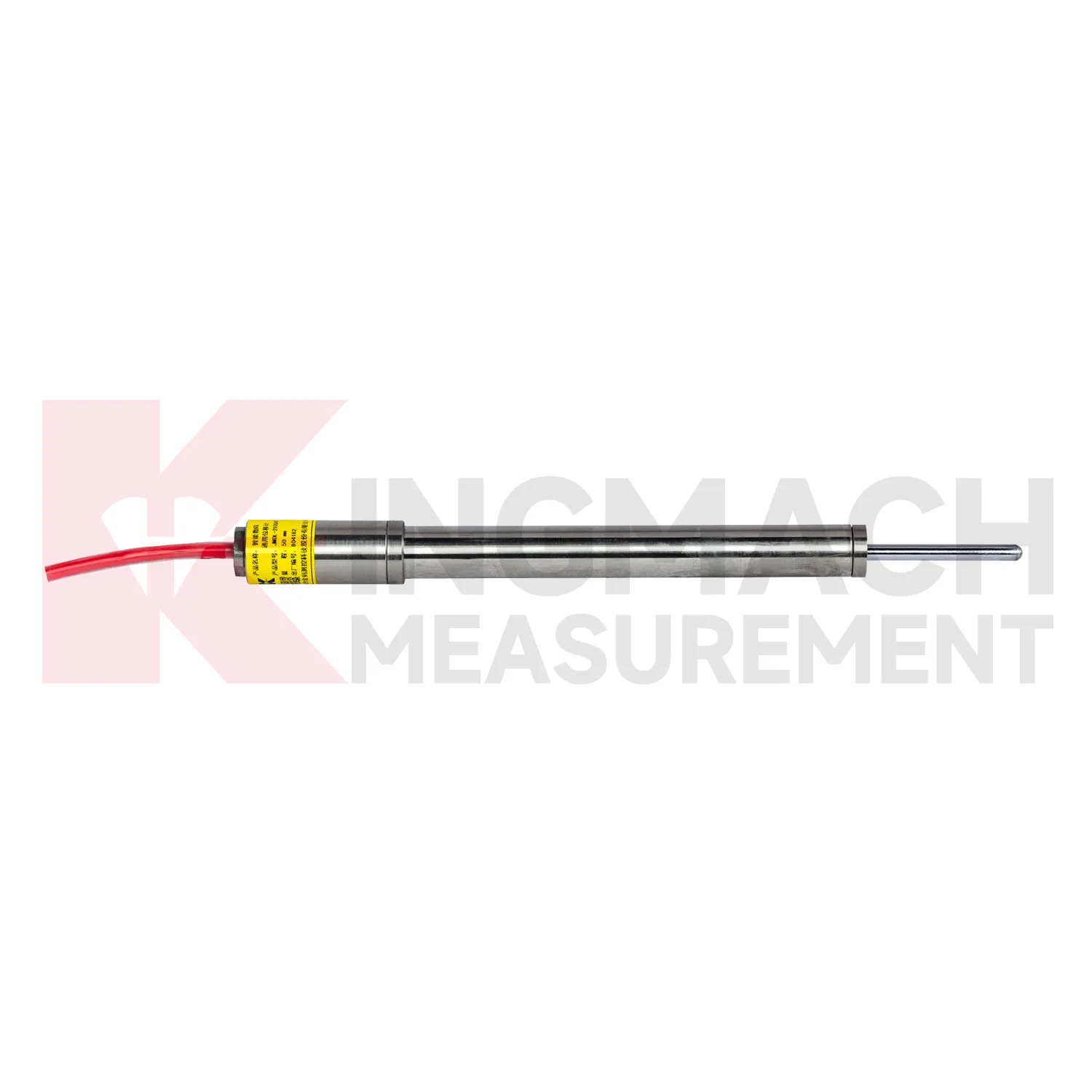
Smart General-Purpose Displacement MeterJMDL-21XXAT
View Details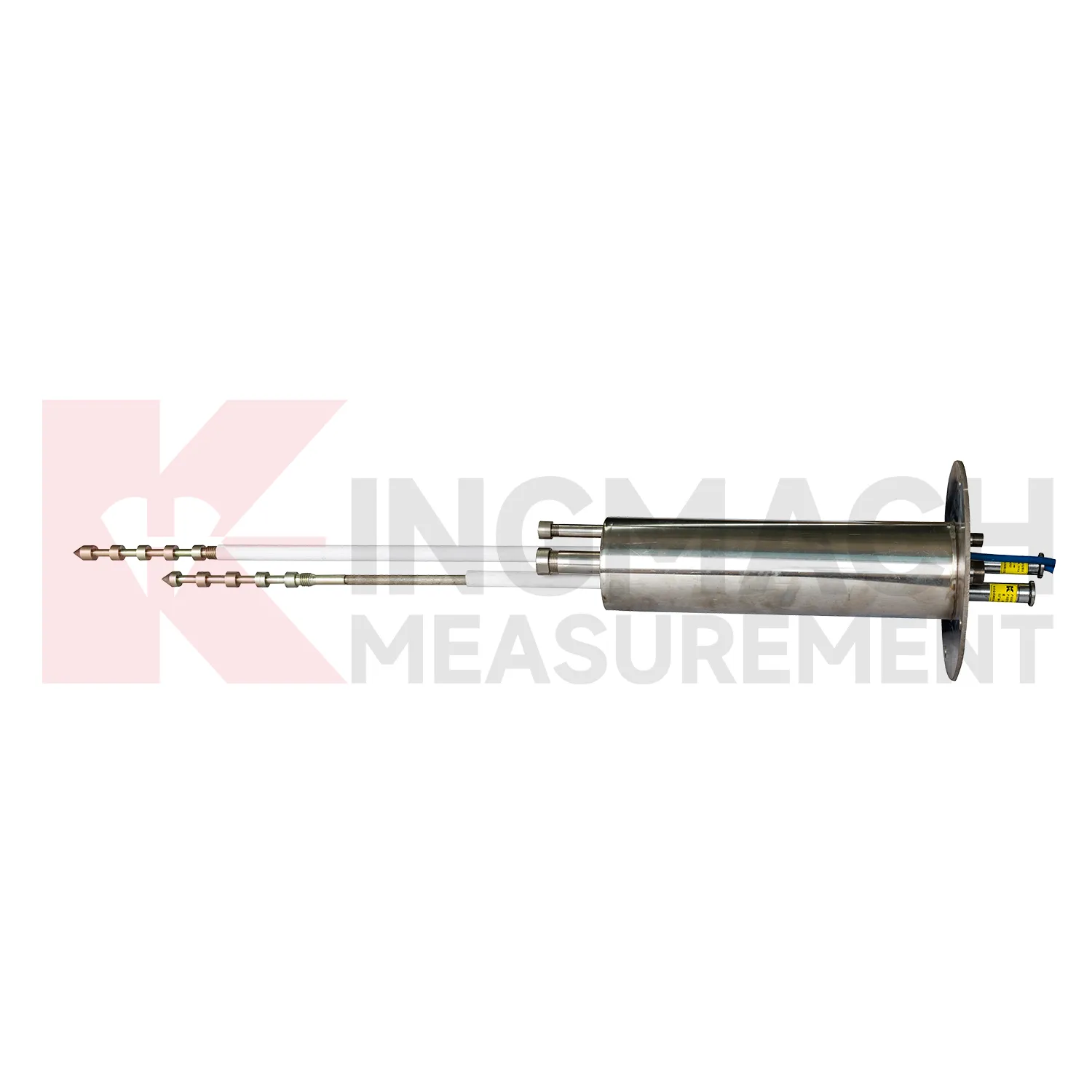
Smart Multipoint Displacement Meter JMDL-31XXAT
View DetailsFAQ
A string pot has moving parts that wear out, especially in dirty or high-cycle applications. An LVDT requires careful alignment and is sensitive to side loads. A magnetostrictive transducer gives you absolute position with no contact between the magnet and the sensing element, so there’s nothing to wear. The electronics are sealed inside the rod, making it far more tolerant of moisture and fine particles.
Yes, that’s where they’re most often used. The housing is typically IP67 or better, and the electronics are potted to handle condensation. Below-grade installations usually add a sealed conduit to route the cable out of the ground. Direct sunlight doesn’t affect the measurement, though long-term UV exposure may call for a stainless steel housing instead of plastic options.
4–20 mA is the most common because it travels long cable runs without signal loss and can be powered directly from the loop. If your logger only takes voltage, 0–10 V works well but is more prone to interference over distance. For digital systems, SSI gives you fast, noise-immune communication. We can configure the output at the factory to match your existing setup.
Standard practice is to use rod-end bearings or ball joints at both ends. This allows a few degrees of misalignment without binding or introducing side load on the rod. For applications like crack monitoring, we often add a spring-loaded pushrod with a swivel foot. It’s a simple mechanical fix that saves time during installation.
The body length is tied directly to the measurement range. If you need a 200 mm stroke, the body will be somewhat longer than that to accommodate the sensing element and connector. We can sometimes optimize the nose design or use a right-angle connector to trim a bit of length. For tight spaces, we might suggest a different form factor—talk to us early in the design phase so we can recommend the most compact option.
Share your product type, target capacity, and application requirements. Our team can review the details and recommend a practical next step.
If you are interested in our products or want to become our partner.
Please leave your contact information, our team will contact you as soon as possible.
Mail: [email protected]
Contact Us: +8613808434127
Address: No. 188 Tongzipo West Rd, Changsha, Hunan, China