
 EN
EN
 ar
ar bg
bg hr
hr cs
cs da
da nl
nl fi
fi fr
fr de
de el
el hi
hi it
it ko
ko no
no pl
pl pt
pt ro
ro ru
ru es
es sv
sv tl
tl iw
iw id
id lv
lv lt
lt sr
sr sk
sk sl
sl uk
uk vi
vi et
et hu
hu th
th tr
tr fa
fa ms
ms hy
hy ka
ka ur
ur bn
bn mn
mn ta
ta kk
kk uz
uz ku
ku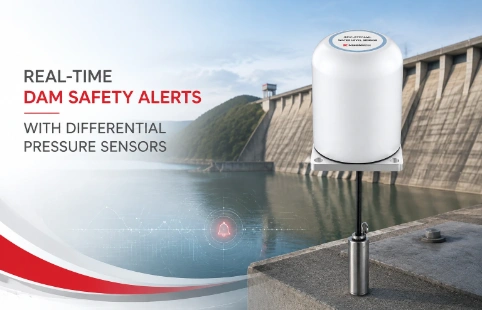
Real-Time Dam Safety Alerts with Differential Pressure Water Level Sensors
Key Takeaways An alert chain needs more than a sensor: define field in...

Wind Speed and Wind Direction Sensors That Handle the Outdoors
These sensors don't just spit out numbers. They survive on bridge decks, dam crests, and construction sites where wind data actually matters for structural safety. Kingmach supplies units that measure both velocity and azimuth, feeding real‑time inputs into monitoring systems. No lab‑condition specs—just performance when the weather turns. Custom cabling and mounting options are standard, because every project has its own geometry. If your next deployment needs wind data that holds up under scrutiny, these are worth a closer look.
Technical Detail
A wind sensor is only as good as its installation. Kingmach's ultrasonic and mechanical options are built with that in mind. The solid‑state models have no moving parts, avoiding bearing wear in sandy or coastal environments. Mechanical cups and vanes, on the other hand, give you a readable physical spin—useful when visual confirmation matters. Both types output SDI‑12, RS‑485, or analog signals, so they drop into existing loggers without protocol gymnastics. Heater elements keep ice off the transducer in winter, and corrosion‑resistant alloys handle salt spray. Because these sensors often end up on remote structures, power draw is kept low; one model sips just 12 mA at 12 V. Maintenance routines are straightforward: a quick visual check and maybe a compressed‑air blowdown if dust accumulates. Integration with Kingmach's data loggers and cloud platform gives you trend graphs and alarms, but the sensor itself doesn't care who pulls the data—it's protocol‑agnostic. Whether you're tracking flutter on a long‑span bridge or verifying wind loads for a crane lift, the reliability comes from knowing the measurement won't drift after a storm.
News
Key Takeaways An alert chain needs more than a sensor: define field in...
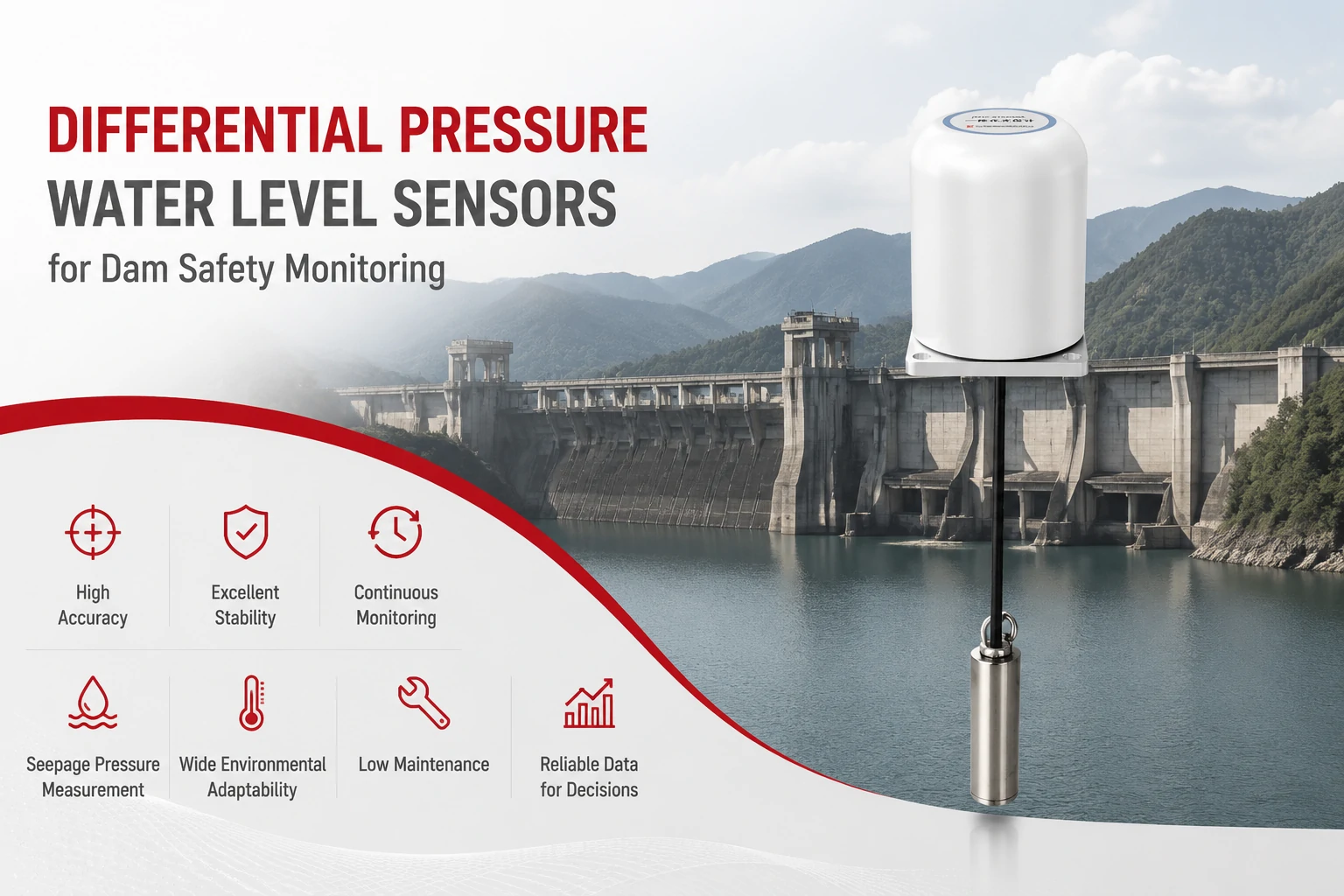
Key Takeaways The strongest fit is usually a confined, submerged, or s...
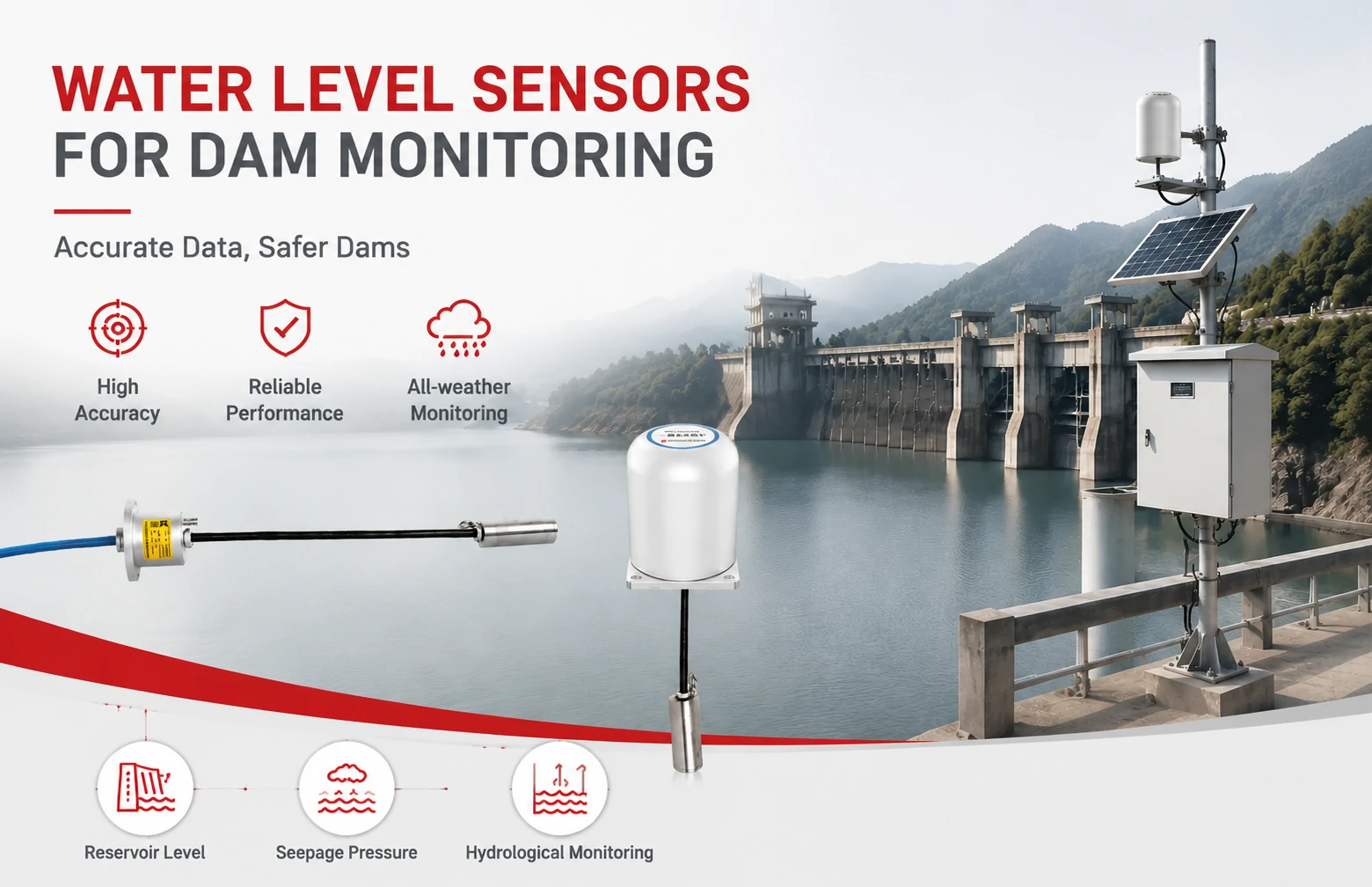
Kingmach Water Level Sensors for Dam Monitoring: A Buyer's Guide to Differential Pre...
Products
FAQ
Ultrasonic sensors have no moving parts, so they don't wear out in abrasive environments. Mechanical cup-and-vane types are simpler to understand—you can see them spin—but they need occasional bearing checks. Ultrasonic units typically update faster and can measure down to zero wind speed, while mechanical ones have a starting threshold.
The sensor bolts to a horizontal crossarm or a vertical mast, usually with a stainless steel bracket. On bridges, you'll need a sturdy attachment point like a light pole or a dedicated mast clamped to the structure. Kingmach includes mounting adapters, and we can fabricate custom brackets if the standard ones don't fit your local geometry.
Yes. Output options include SDI‑12, RS‑485, and analog voltage or current loops. As long as your logger speaks one of those protocols, it's just a matter of wiring. We provide pinouts and communication registers so integration is straightforward.
Mainly visual inspections for damage or bird strikes. Ultrasonic transducers might need an occasional wipe if dust builds up, but rain usually keeps them clean. Mechanical bearings should be checked every couple of years for smooth rotation. Heater circuits, if used, can be tested before winter.
Share your product type, target capacity, and application requirements. Our team can review the details and recommend a practical next step.
If you are interested in our products or want to become our partner.
Please leave your contact information, our team will contact you as soon as possible.
Mail: [email protected]
Contact Us: +8613808434127
Address: No. 188 Tongzipo West Rd, Changsha, Hunan, China