
 EN
EN
 ar
ar bg
bg hr
hr cs
cs da
da nl
nl fi
fi fr
fr de
de el
el hi
hi it
it ko
ko no
no pl
pl pt
pt ro
ro ru
ru es
es sv
sv tl
tl iw
iw id
id lv
lv lt
lt sr
sr sk
sk sl
sl uk
uk vi
vi et
et hu
hu th
th tr
tr fa
fa ms
ms hy
hy ka
ka ur
ur bn
bn mn
mn ta
ta kk
kk uz
uz ku
ku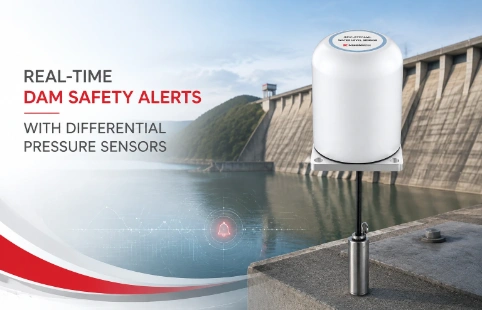
Real-Time Dam Safety Alerts with Differential Pressure Water Level Sensors
Key Takeaways An alert chain needs more than a sensor: define field in...

Laser Distance Measurement Sensors for Industrial Monitoring
In geotechnical and structural monitoring, getting accurate distance readings without physical contact matters. Kingmach's laser distance measurement sensors tackle this with a straightforward approach—no exotic claims, just practical engineering. These sensors are built for long-term deployment in tunnels, slopes, and bridges, where traditional tape or LVDTs become impractical. The technology leans on time-of-flight or phase-shift methods, but the real value is how Kingmach integrates them into existing monitoring systems. You get a sensor that doesn't drift with temperature swings and holds up in high humidity. What sets Kingmach apart is the behind-the-scenes work: every unit goes through a 72-hour burn-in test before shipment, and the team can tweak baud rates or mounting brackets to fit your project. It's a middle-ground product—not the cheapest, but backed by people who answer emails and keep spare parts in stock.
Technical Detail
Kingmach's laser distance measurement sensors are designed for professionals who need repeatability without constant recalibration. The company, focused on geotechnical instruments, applies its domain knowledge to the laser sensing line. These sensors use a visible red laser (typically Class 2) with a measuring range up to 150 meters on natural surfaces, and up to 500 meters with a reflective target. Accuracy sits at ±1.5 mm under stable conditions, which is sufficient for most displacement monitoring tasks. The housing is sealed to IP67, meaning it can handle dust, heavy rain, and the occasional submersion during floods. Internally, the sensor compensates for temperature fluctuations—a detail that matters when you're monitoring a dam deformation over seasons. Data output is flexible: RS-485, 4-20 mA, or wireless options via LoRa for sites without cabling. Kingmach also offers a calibration service every two years if you send the sensor back; many competitors don't bother. For customers with unique requirements, the engineering team can adjust firmware filtering to ignore passing vehicles or wildlife. This level of customization is rare in the mid-range market. The sensors aren't loaded with features you'll never use; they focus on delivering clean distance data to your datalogger or SCADA system. If you need a sensor that just works in a trench or on a tower, Kingmach's laser distance sensors are worth a look.
News
Key Takeaways An alert chain needs more than a sensor: define field in...
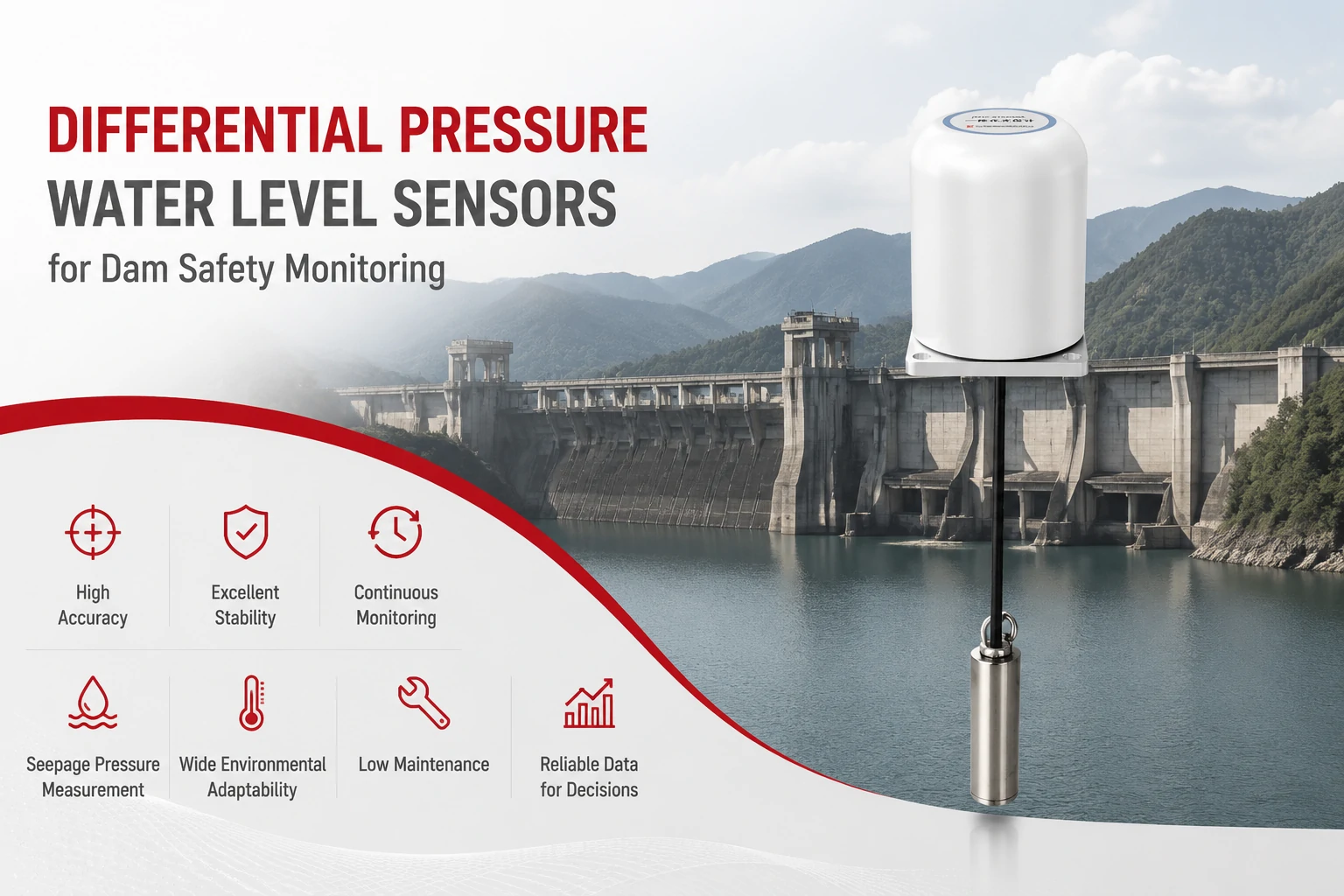
Key Takeaways The strongest fit is usually a confined, submerged, or s...
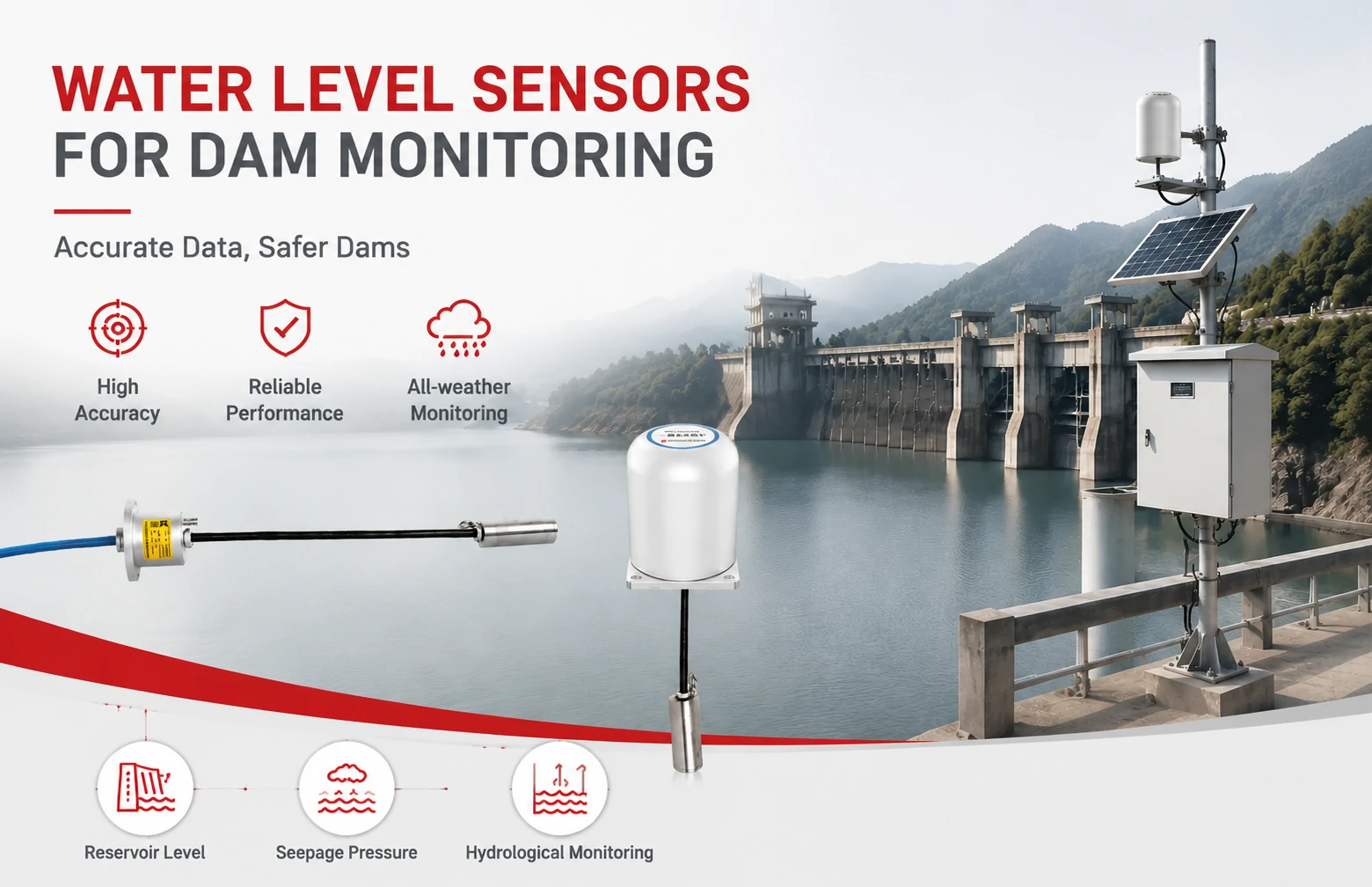
Kingmach Water Level Sensors for Dam Monitoring: A Buyer's Guide to Differential Pre...
Products
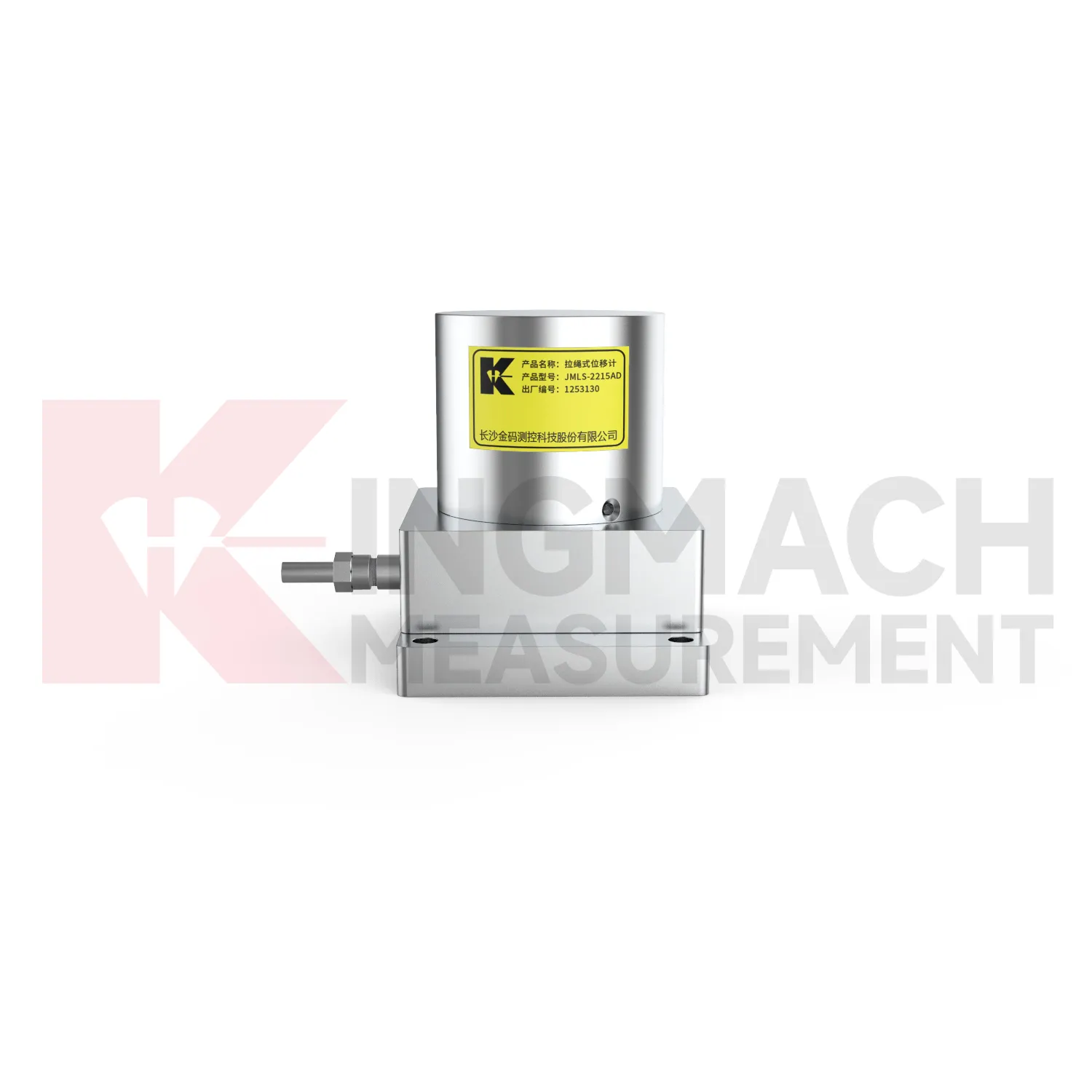
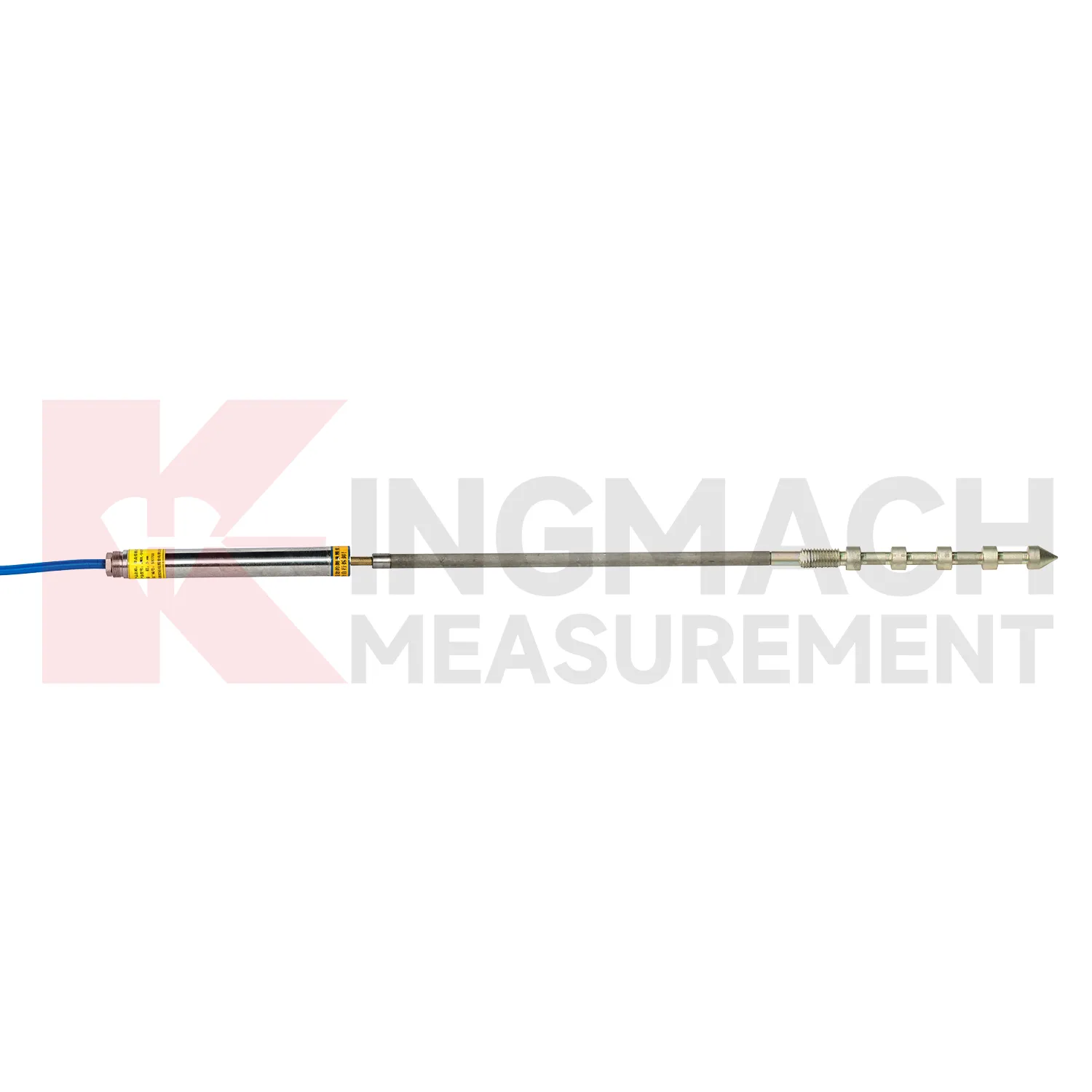
Smart Single-Point Bedrock Displacement Meter JMDL-32XXAT
View Details
FAQ
Visibility matters. In heavy fog or dust, the laser beam scatters, reducing maximum range. Our sensors incorporate automatic gain control and can typically maintain measurement through light haze, but performance drops in dense conditions. We suggest a target within 30 meters for reliability in such settings. For constant poor visibility, consider our ultrasonic or radar alternatives.
Yes, most of our laser sensors output RS-485 Modbus, which Campbell loggers support natively. We provide wiring diagrams and sample CRBasic code. For 4-20 mA loop outputs, it's even simpler—just connect to an analog input channel. If you run into issues, our support team can dial in to assist with configuration.
The diode is rated for 50,000 hours MTBF under 25°C ambient. In practice, we've seen sensors operating for over 5 years in tunnel monitoring without failure. The main factor is ambient temperature: at 40°C continuous operation, expect a shorter life. We recommend periodic cleaning of the front window to prevent residue buildup from affecting signal.
Currently, our standard models are not ATEX or IECEx certified. However, for projects requiring hazardous area use, we can supply intrinsically safe barriers for 4-20 mA loops or provide a custom enclosure certified by a partner. Email your zone classification and we'll propose a solution.
For slow-moving targets like landslide creep, the sensor averages readings over a configurable period to smooth out measurement noise. For faster dynamics, we can enable a tracking mode that updates at up to 50 Hz. Keep in mind that rapid movement on low-reflectance surfaces may introduce latency. We're happy to discuss your specific speed requirements.
Share your product type, target capacity, and application requirements. Our team can review the details and recommend a practical next step.
Related Keywords
If you are interested in our products or want to become our partner.
Please leave your contact information, our team will contact you as soon as possible.
Mail: [email protected]
Contact Us: +8613808434127
Address: No. 188 Tongzipo West Rd, Changsha, Hunan, China